Note: Medical disclaimer at the bottom of this page, jump to disclaimer.
What is Foot Arthritis?
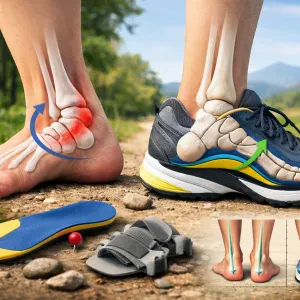
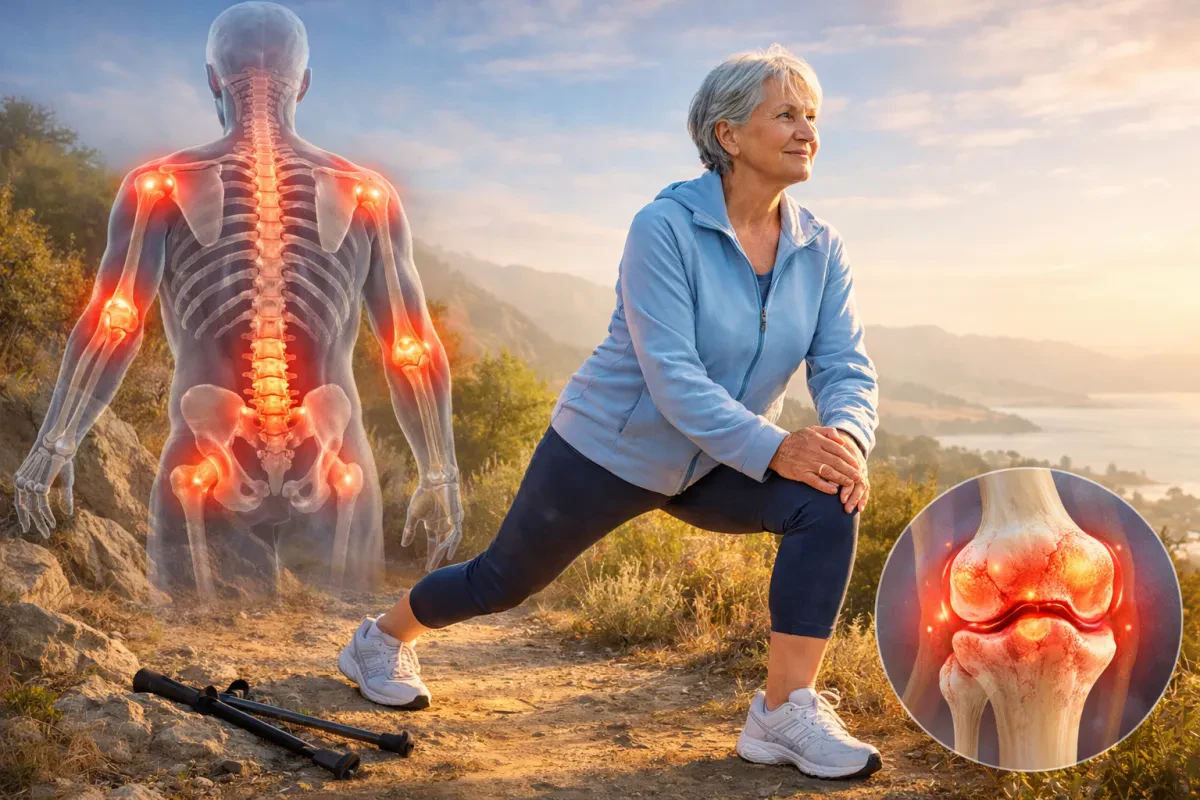
Arthritis in the foot involves the inflammation and gradual breakdown of the cartilage that cushions the 33 joints within each foot. When this cartilage wears thin, bones can rub directly against one another, leading to stiffness and the development of bone spurs. In 2026, we view arthritis management through the lens of "joint preservation," focusing on reducing the mechanical demand placed on these sensitive areas through specialized equipment and lifestyle adjustments.
Osteoarthritis vs. Rheumatoid Arthritis: Key Differences
While both conditions manifest as inflammation, their origins are quite different. Identifying which type you are managing is crucial for choosing the correct 2026 care path.
- Osteoarthritis (OA): Known as "wear and tear" arthritis, this is a degenerative condition often localized to specific joints, such as the base of the big toe (Hallux Rigidus) or the midfoot.
- Rheumatoid Arthritis (RA): An autoimmune condition that causes the body to attack its own joint linings. This typically appears symmetrically (in both feet at once) and often affects the smaller joints of the toes first.
Primary Symptoms of Arthritic Feet
Arthritis symptoms often fluctuate based on activity levels, weather changes, and the time of day. Early detection is vital for preserving remaining cartilage.
- Stiffness: Difficulty moving the foot or toes, especially after waking (Morning stiffness in RA often lasts over an hour).
- Swelling and Heat: The area around the affected joint may feel warm to the touch or appear puffy.
- Mechanical Pain: Discomfort that increases during the "push-off" phase of walking when joints are forced to flex.
- Structural Changes: The development of bunions, hammer toes, or nodules associated with long-term inflammation.
Conservative Home Management and Stretching
Managing arthritis at home in 2026 centers on maintaining mobility without causing further irritation to the inflamed surfaces.
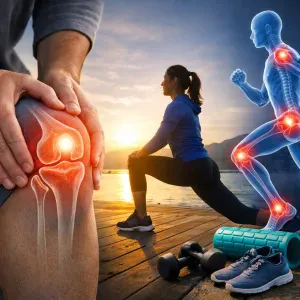
- Low-Impact Loading: Exercises like swimming or cycling maintain cardiovascular health without the high-impact "shock" of running on arthritic joints.
- Heat and Cold Therapy: Heat is excellent for loosening stiff morning joints, while cold packs are preferred for reducing inflammation after a long day of standing.
- Gentle Range-of-Motion: Simple toe wiggles and ankle circles performed in a warm bath can help maintain flexibility.
- Anti-Inflammatory Nutrition: Diets rich in Omega-3 fatty acids are increasingly recommended in 2026 to help manage systemic inflammation.
Advanced 2026 Treatments: Mechanical Unloading
When home care is insufficient, clinical interventions focus on "unloading"—redistributing weight away from the damaged joint surfaces.
- Custom Functional Orthotics: Designed to tilt or support the foot in a way that creates a "pressure-free" zone for the arthritic joint.
- Hyaluronic Acid Injections: A 2026 standard for providing temporary lubrication and "shock absorption" directly within the joint capsule.
- Laser Therapy (HILT): Uses light energy to stimulate cellular repair and reduce the localized inflammatory response.
- Bracing: AFOs (Ankle-Foot Orthoses) can be used to completely immobilize a severely arthritic ankle while allowing the patient to remain mobile.
The Essential Role of Rocker-Bottom Footwear
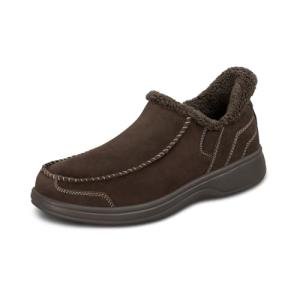
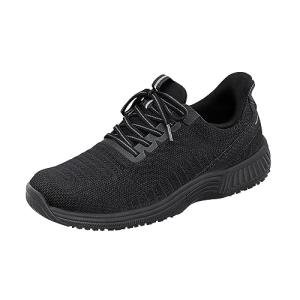
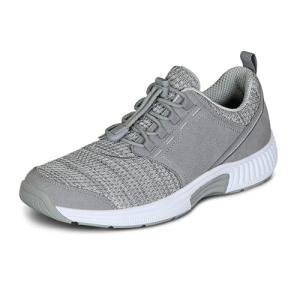
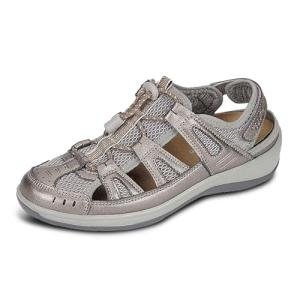
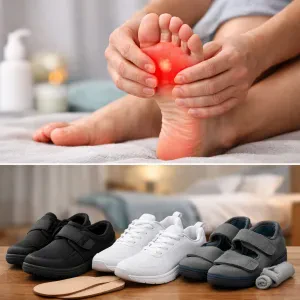
Footwear is the most powerful non-surgical tool for arthritis. The 2026 gold standard is the Rocker-Bottom Sole. By curving the sole, the shoe handles the "flexing" motion of the step, so your joints don't have to. If you want to view a product on Amazon, click the Continue button next to the price.
Footwear Features to Look For
- Rigid Forefoot: Especially important for big toe arthritis (Hallux Rigidus) to prevent painful bending.
- Maximal Midsole Cushioning: To filter out the "buzz" and impact of hard pavement.
- Wide Base: Provides the stability needed when arthritis affects balance.
- Extra Depth: To accommodate swelling and orthopedic inserts without pressure.
Explore specialized picks: Arthritis-friendly footwear picks
FAQs
Can I wear flexible sneakers for arthritis?
Usually, no. Flexible shoes force your arthritic joints to bend with every step. A stiffer, rocker-bottom shoe is generally much more comfortable for arthritis relief.
Does weight loss help arthritis?
Significantly. Every pound lost reduces the pressure on your foot and ankle joints by approximately four pounds during daily walking.
Why does my arthritis hurt more in the cold?
Changes in barometric pressure can cause tissues to expand, putting more pressure on already sensitive joints. Keeping feet warm is a simple but effective relief strategy.
Related guides
Compare how different brands utilize rocker-sole and cushioning technology to manage arthritis. If you want to view a product on Amazon, click the Continue button next to the price.
- HOKA Meta-Rocker picks for arthritis
- Dansko rocker-bottom clogs for big toe relief
- Orthofeet therapeutic depth for arthritis
- Brooks adaptive support picks
- Best work shoes for standing all day
Best next step: If you have stiffness in your toe joints, look for a shoe with a "forefoot rocker" to reduce joint flex. For overall foot arthritis, prioritize a high-cushion model with a wide, stable base. If you want to view a product on Amazon, click the Continue button next to the price.
Medical disclaimer: This content is for general information only and is not medical advice, diagnosis, or treatment. Specialized footwear and home care may improve mobility but cannot cure arthritis. If your symptoms are severe, include redness and heat, or if mobility is significantly limited, consult a qualified medical professional (such as a GP, podiatrist, or rheumatologist).