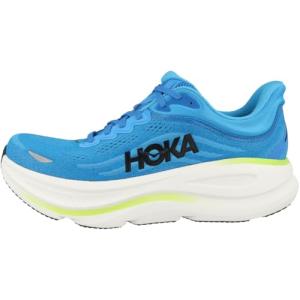
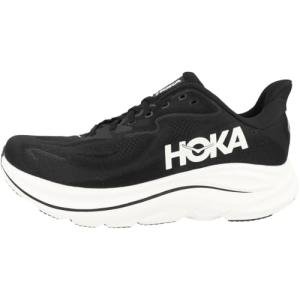
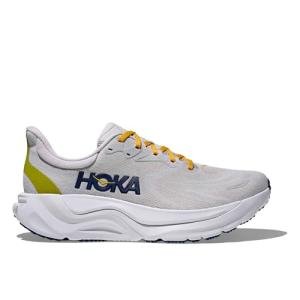
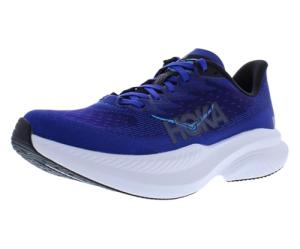
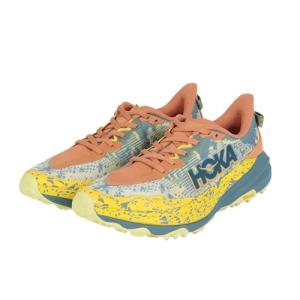
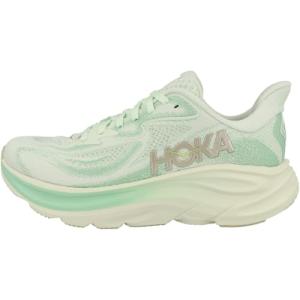
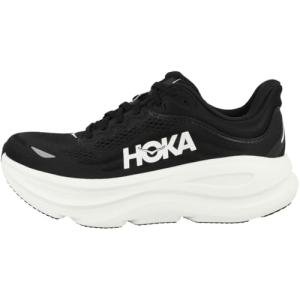
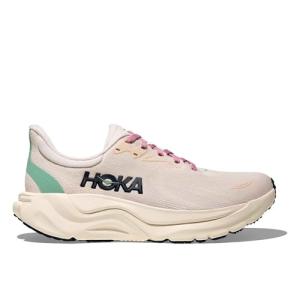
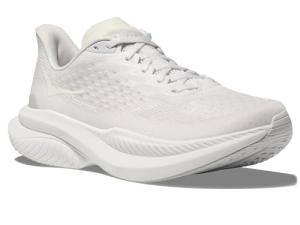
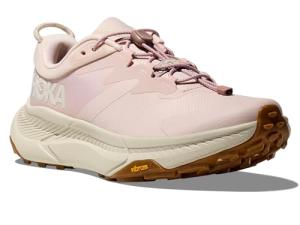
Top picks at a glance (from this page’s product grid)
These are reliable starting points for comfort and pain-relief walking. Click a pick to compare retailer prices.
Men’s picks
Women’s picks
Index
What this HOKA page covers
This page collects popular HOKA options that people often choose for impact reduction and smoother-feeling steps. Use the product grid above to compare prices across retailers.
Quick match: which HOKA should I start with?
- I want maximum cushioning for hard floors: start with Bondi.
- I want a balanced everyday walker: start with Clifton.
- I overpronate or want a steadier feel: start with Arahi.
- I want a lighter, quicker feel: try Mach.
- I walk outdoors on mixed surfaces: try Speedgoat (men) or Transport (women).
What to look for in joint-friendly walking shoes
- Impact reduction: cushioning helps reduce repetitive “thud” into knees/hips.
- Stability: a shoe can be cushioned but still stable; avoid anything that feels wobbly.
- Secure heel hold: reduces friction and improves control.
- Toe comfort: pressure-free toe box reduces compensation patterns that can worsen pain.
Common mistakes to avoid
- Choosing the softest shoe even if it feels unstable.
- Buying longer shoes to get width (often causes heel slip).
- Keeping shoes after cushioning feels flat (support fades before the outsole looks worn).
Fit checklist
- Thumb-width space in front of the longest toe.
- Secure heel with minimal slip.
- Walk test: steps feel smooth and stable, not wobbly.
- No hotspots after 5–10 minutes of walking.
- Try later in the day if you swell.
FAQs
1) Which HOKA is best for joint pain walking?
Many people start with a max-cushion option like Bondi for impact reduction, then adjust based on stability needs.
2) Which HOKA is best for everyday walking?
Clifton is often a popular “balanced” starting point for daily walking comfort.
3) Which HOKA is best for overpronation?
If you want more guidance and a steadier feel, Arahi is usually the first model people try.
4) Is more cushioning always better?
Not always. If a shoe feels too soft and unstable, your legs may work harder to stabilise—often increasing fatigue.
5) When should I replace my walking shoes?
Replace when cushioning feels flat, the shoe feels less stable, or pain returns—midsole wear often shows before tread looks worn.
Back to top picks