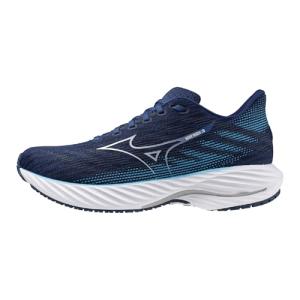
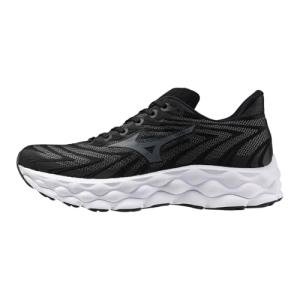
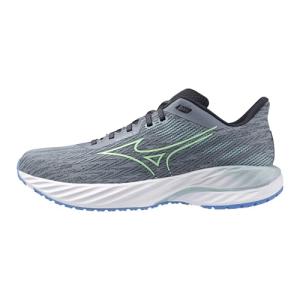
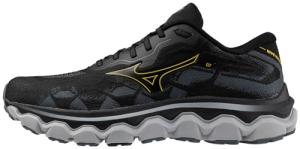
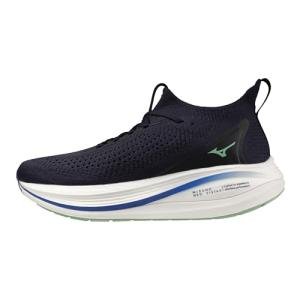
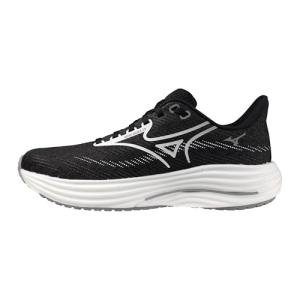
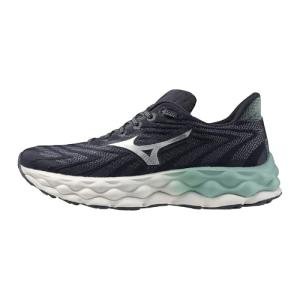
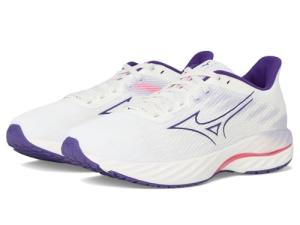
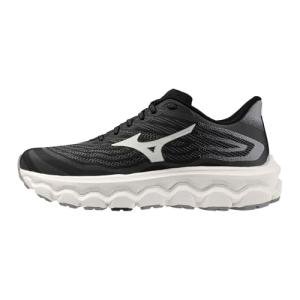
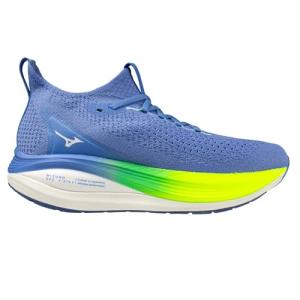
Top picks at a glance (from this page’s product grid)
These are reliable starting points for comfortable, stable walking and all-day wear. Click a pick to compare retailer prices.
Men’s picks
Women’s picks
Index
What this Mizuno page covers
This page collects popular Mizuno options that people often choose for stable cushioning and smoother-feeling steps. Use the product grid above to compare prices across retailers.
Quick match: which Mizuno should I start with?
- I want a stable everyday walker: start with Wave Rider.
- I want softer cushioning for longer wear: start with Wave Sky.
- I want more guidance/control: try Wave Inspire.
- I want the most support here: try Wave Horizon.
- I want modern cushion-forward comfort: try Neo Vista 2.
What to look for in joint-friendly walking shoes
- Impact reduction: cushioning helps reduce repetitive “thud” into knees/hips on hard floors.
- Stability: choose a shoe that feels controlled, not wobbly, especially if you walk a lot.
- Secure heel hold: improves stability and reduces friction over long days.
- Toe comfort: pressure-free toe box reduces compensation patterns that can worsen pain.
Common mistakes to avoid
- Choosing the softest shoe even if it feels unstable.
- Buying longer shoes to get width (often causes heel slip).
- Keeping shoes after cushioning feels flat (support fades before the outsole looks worn).
Fit checklist
- Thumb-width space in front of the longest toe.
- Secure heel with minimal slip.
- Walk test: steps feel smooth and stable, not wobbly.
- No hotspots after 5–10 minutes of walking.
- Try later in the day if you swell.
FAQs
1) Which Mizuno is best for everyday walking?
Wave Rider is usually the safest “balanced” starting point if you want stable cushioning.
2) Which Mizuno is best if I want softer cushioning?
Wave Sky is typically the comfort-led choice for more cushioning during long days.
3) Which Mizuno is best if I need more support/control?
Try Wave Inspire first, and if you want even more structure, consider Wave Horizon.
4) Is more cushioning always better for pain?
Not always. If a shoe feels too soft and unstable, your legs may work harder to stabilise—often increasing fatigue.
5) When should I replace my walking shoes?
Replace when cushioning feels flat, the shoe feels less stable, or pain returns—midsole wear often shows before tread looks worn.
Back to top picks