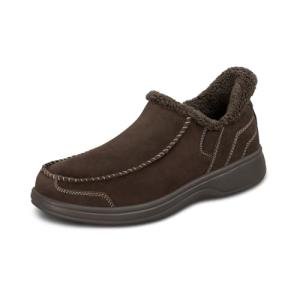
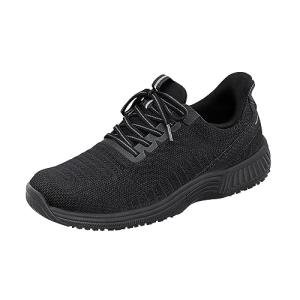
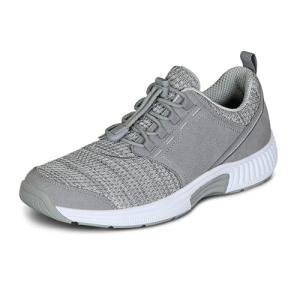
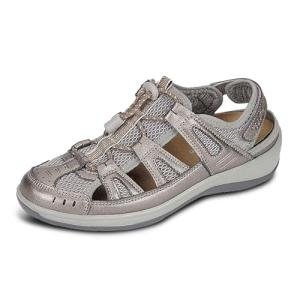
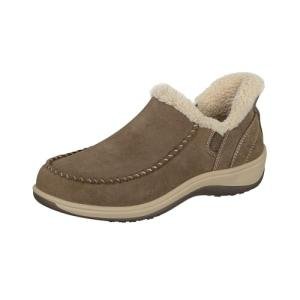
Top picks at a glance (from this category’s product grid)
This category currently focuses on Orthofeet comfort-first options. Click a pick to compare prices from retailers on Stepwise Footwear.
Men’s picks
Women’s picks
If you want more trainer-style options
This arthritis category is still expanding. For more cushioned walking/running-style options on Stepwise Footwear, also browse: Walking Shoes for Joint Pain and Standing All Day Work Shoes.
Index
What arthritis is
Arthritis refers to joint inflammation and degeneration that can cause pain, stiffness, and reduced range of motion. In the feet, it commonly affects the big toe joint, midfoot, and ankle. Supportive footwear can’t cure arthritis, but it can reduce stress on sore joints, improve comfort, and make walking feel smoother.
What to look for in arthritis-friendly shoes
- Smooth transition: helps reduce painful joint loading during push-off.
- Shock-absorbing cushioning: reduces repetitive impact into sensitive joints.
- Stable platform: a broad base improves balance and reduces wobble fatigue.
- Supportive midfoot structure: improves alignment and helps distribute pressure.
- Roomy fit: accommodates swelling and reduces pressure points.
- Easy entry / adjustability: helps on painful days when bending and tying is difficult.
- Removable insole: useful if you wear orthotics or customised comfort inserts.
Common mistakes to avoid
- Narrow toe boxes that squeeze swollen or sensitive joints.
- Hard, thin soles that transmit impact into knees/hips.
- Loose heels that allow instability and extra joint strain.
- Keeping shoes after cushioning feels flat (support fades before the outsole looks worn).
Fit checklist
- Toe room: no pressure on sore joints; toes can move freely.
- Secure heel: minimal slip for stable steps.
- Even pressure: no hotspots or rubbing points.
- Comfortable support: supportive, not pokey or sharp.
- Try later in the day: swelling is common; fit should remain comfortable.
Recommended shoes for arthritis
These styles are commonly chosen for arthritis comfort because they combine cushioning, stable support, and an easy-to-live-with fit. Use the product grid on this category page to compare prices and availability across retailers.
Tip: If your feet swell day to day, prioritise roomier fit and easy entry first. For toe-joint arthritis, many people find that reducing pressure points and improving step smoothness matters more than “just” buying the softest shoe.
FAQs
1) Are cushioned shoes good for arthritis?
Often yes. Cushioning can reduce repetitive impact and stress, especially for knee and hip discomfort.
2) What matters most for foot arthritis comfort?
Most people do best with a pressure-free fit, stable platform, and a smoother step that doesn’t aggravate sore joints.
3) Are wide-fit shoes better for arthritis?
Often yes. Swelling is common, and extra room reduces pressure on sensitive joints.
4) Do easy-on shoes help on painful days?
Yes. Hands-free or slip-on styles can reduce the need to bend and tie when joints feel stiff.
5) Should I use orthotics or inserts?
Many people benefit from supportive inserts, especially in shoes with removable insoles and enough depth to avoid tightness.
6) What if my shoes rub in one spot?
Treat rubbing as a red flag. For sore joints, hotspots usually worsen; switch to a roomier, softer upper or a different shape.
7) Is it better to size up?
Try width/room first. Sizing up in length can cause heel slip, which increases friction and instability.
8) How do I know when to replace shoes?
Replace when cushioning feels flat, support feels unstable, or symptoms increase—midsole wear often happens before tread looks worn.
9) Can indoor footwear make a difference?
Yes. If you walk around the house in thin, flat slippers, switching to supportive indoor footwear can reduce daily joint stress.
10) When should I seek professional advice?
If pain is severe, worsening, or affecting daily walking, consult a clinician for diagnosis and management options.
Back to top picks