Note: Medical disclaimer at the bottom of this page, jump to disclaimer.
What “pain-relief” shoes actually do
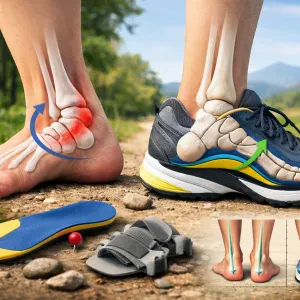
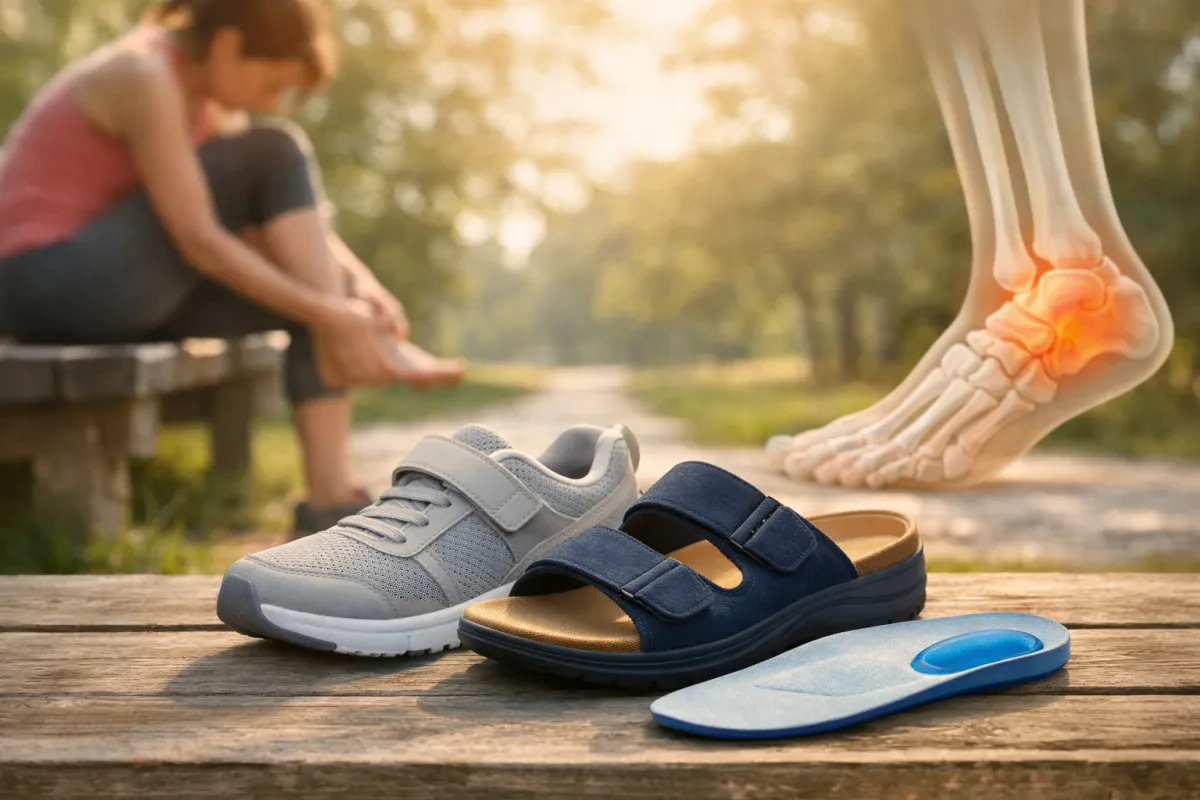
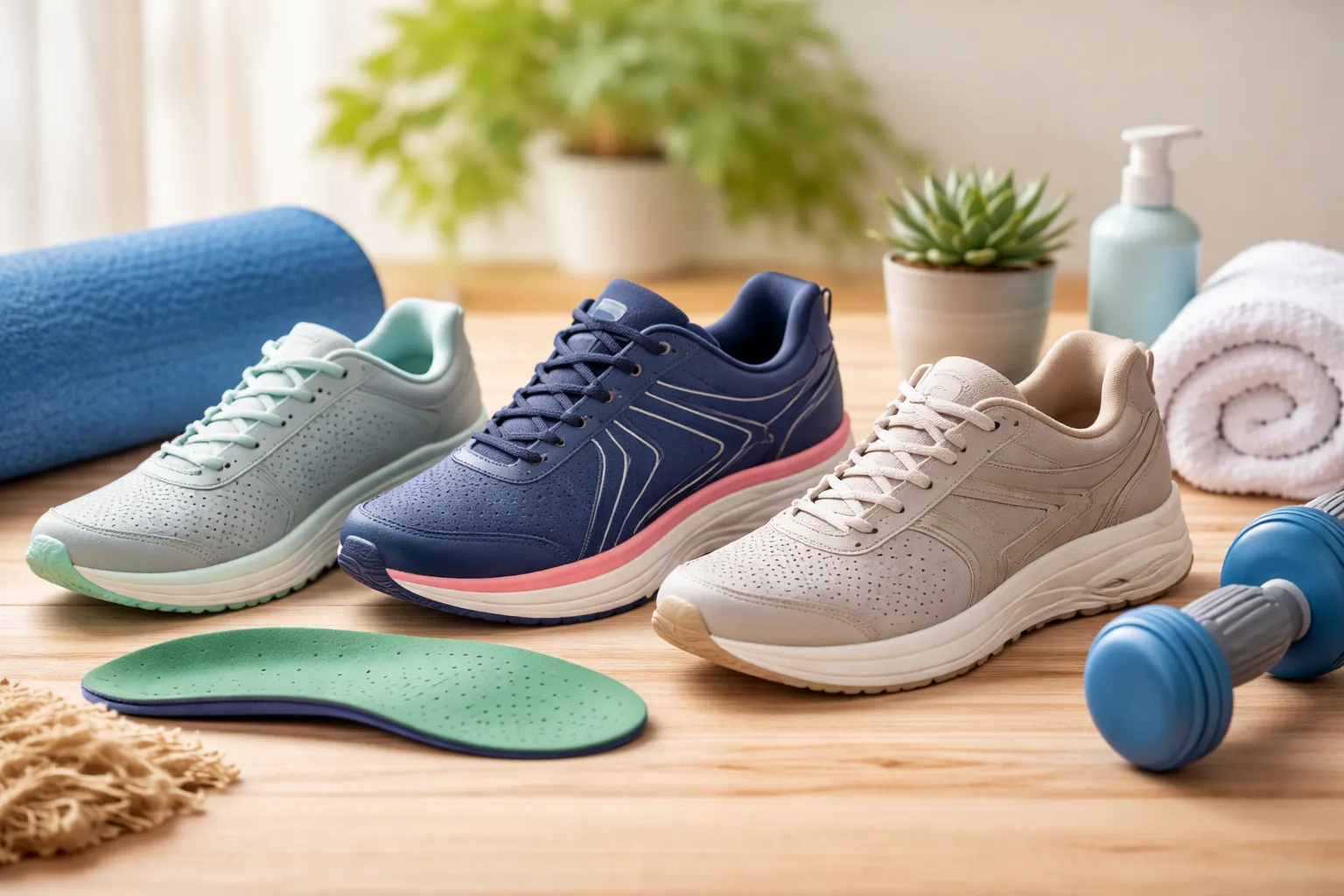
“Pain-relief shoes” is a useful shorthand, but it can also be misleading. No shoe can fix the underlying cause of pain on its own. What a well chosen shoe can do is reduce the everyday triggers that keep pain going, like repeated impact, pressure on a sore area, unstable foot motion, and cramped toe space. When those triggers are lowered, walking often feels easier and flare ups become less frequent.
Think of supportive footwear like a helpful platform. It can make your steps smoother, reduce stress on irritated tissues, and improve comfort during daily activity. It can also help you stay active, which matters because gentle movement is often part of improving overall foot resilience, circulation, and mobility.
MAD 3,412.66
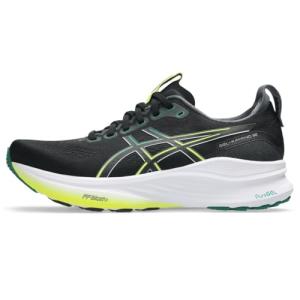
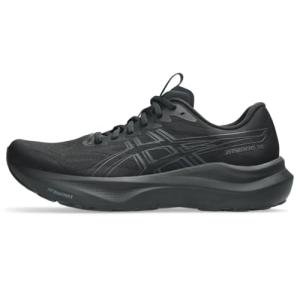
ASICS Men's Gel-Kayano 32 Running Shoes - Adaptive Stability & Premium Cushioning for Overpronation
Master Your Stride with the 4D Guidance System™ and PureGEL™ Technology for Maximum Foot Support.
Product information
Product links
The four jobs a good comfort shoe can do
- Reduce impact: Cushioning and shock absorption can soften the “sting” of heel strike, especially on harder surfaces.
- Distribute pressure: A stable platform and a well shaped insole can spread load across the foot rather than concentrating it in one hotspot.
- Support smoother mechanics: Stability features can limit excessive rolling and help guide the foot through a more predictable stride.
- Protect sensitive areas: A roomy toe box, soft upper materials, and fewer internal seams can reduce rubbing and compression.
Common foot pain types and what to look for
Before you compare brands and models, become clear on where your discomfort sits and what tends to trigger it. A quick “pain map” usually points you toward the right feature set. Below are common patterns and the shoe traits that often help.
Plantar fasciitis and heel pain
If pain is sharp under the heel or along the arch, especially with first steps in the morning or after sitting, look for shoes that reduce strain and impact. Helpful features often include a stable heel, supportive midfoot, and cushioning that does not collapse quickly.
- Supportive heel counter and stable rearfoot
- Comfortable arch contact (not a hard “bump”)
- Moderate cushioning, plus a smooth transition from heel to toe
MAD 1,732.66
MAD 1,296.98
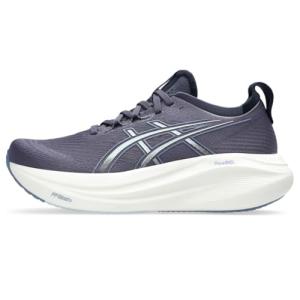
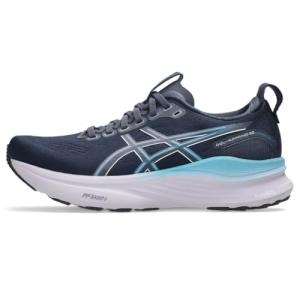
ASICS Women's Gel-Nimbus 27 Sneaker
Experience lasting comfort and relief with every step in these stylish sneakers
Product information
Product links
Bunions and forefoot pressure
If you get rubbing or pressure at the big toe joint, the number one issue is usually shoe shape. Width helps, but shape and upper material matter just as much. Look for a roomy forefoot, a forgiving upper, and less taper toward the toes.
- Wide or extra wide options, plus a rounded toe shape
- Soft, flexible upper (stretch knit can be helpful)
- Low seam pressure over the big toe joint area
Arthritis and joint stiffness
If joints feel stiff and walking feels “creaky,” a shoe that helps you roll through the step can be a game changer. A rocker sole, a supportive base, and a forgiving upper can reduce irritation, especially if swelling varies day to day.
- Rocker sole or smooth forefoot flex point
- Cushioning that reduces impact without feeling unstable
- Easy entry features if hands are sore (slip-on or pull loop)
MAD 416.37
MAD 395.55
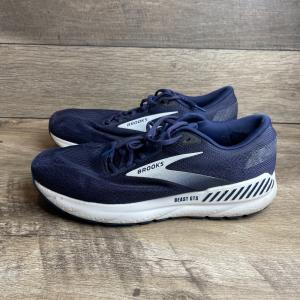
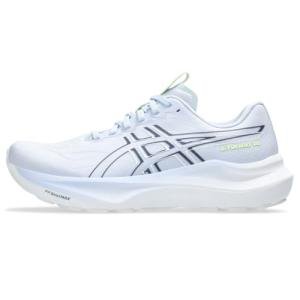
Brooks Men's Beast GTS 24 Sneakers
Step into ultimate comfort and give your feet the support they crave
Product information
Product links
Cushioning vs stability vs motion control
Most shoppers start with cushioning because it is the easiest thing to feel in a quick try on. Cushioning is important, but comfort is a balance. Too little cushioning can feel harsh, but too much can feel wobbly, especially if you have ankle instability or sensitive joints.
Cushioning typically helps people who feel impact pain, like heel soreness, joint discomfort on hard floors, or fatigue after long shifts. Maximum cushion can feel excellent, but it is best when paired with a stable platform and a secure heel.
Stability: what it means in plain English
Stability shoes are designed to reduce excessive rolling and help the foot land and move more predictably. This can reduce strain on the arch, Achilles, and knees for some walkers. Modern stability often relies on geometry, like a broader base and sidewalls.
A quick way to choose
- If you crave softness and impact relief, start with cushioned shoes, then check stability by doing a slow walk.
- If you feel your ankles roll or arches fatigue quickly, start with stability.
- If you have tried stability and still feel you collapse inward heavily, consider motion control.
Arch support and when it helps
Arch support is one of the most misunderstood features. Support should feel like gentle, broad contact along the arch. If it feels like a hard lump digging into one spot, the shape is probably wrong for your foot.
When arch support often helps
- Arch fatigue after walking
- Plantar fascia irritation
- Flat feet with inward rolling that feels tiring
- Long shifts where the arch feels “stretched out” by the end of the day
MAD 416.37
MAD 395.55
Brooks Men's Beast GTS 24 Sneakers
Step into ultimate comfort and give your feet the support they crave
Product information
Product links
Toe box width and forefoot comfort
Toe space is a comfort multiplier. If the toe box is too narrow or too tapered, you can get rubbing, numbness, and bunion irritation. Often you need a different shape, width, or upper material rather than just a larger size.
What a good toe box feels like
- You can wiggle all toes comfortably.
- The big toe joint is not pressed sideways.
- The shoe does not pinch across the widest part of your forefoot.
- There is about 0.012 m to 0.015 m [0.47" to 0.59"] of space in front of your longest toe.
Heel-to-toe drop explained
Heel-to-toe drop is the difference in height between the heel and the forefoot. A higher drop means the heel sits higher. A lower drop means the shoe is flatter. Drop can influence how load is shared between the heel, Achilles, calf, and forefoot.
Practical guidance
If you have Achilles sensitivity, calf tightness, or insertional heel pain, a moderate to higher drop (e.g., 0.01 m [0.39"]) can feel more comfortable. If you are used to lower drop shoes, changing to very high drop can feel odd at first. The main rule is gradual change.
Rocker soles, pros and cons
A rocker sole is a curved sole shape that helps you “roll” through the step rather than bending the shoe sharply at the forefoot. Many people with arthritis or joint pain find rocker soles reduce strain.
Benefits
- Can reduce pressure on the forefoot and big toe joint
- Often helps arthritis stiffness by smoothing transitions
- Can reduce time spent loading the heel during each step
Fit checklist and sizing tips
Fit is the foundation. You can buy the “best” shoe on paper and still feel sore if the fit is wrong. Use this checklist to make sure your shoe is working with you.
In-shoe fit checks
- Toe space: About a thumb’s width in front of the longest toe while standing.
- Heel hold: Heel should feel secure without excessive slip.
- Midfoot comfort: No sharp pressure under the arch or across the top of the foot.
- Walk test: Walk for several minutes. Comfort should stay consistent.
Mistakes to avoid when buying
Most disappointing shoe purchases happen for predictable reasons. Avoid these common traps and your success rate goes up fast.
- Buying based on softness alone: Soft can feel amazing initially but unstable over a full day.
- Sizing up instead of choosing width: This can lead to toe gripping and blisters. Look for wide options instead.
- Ignoring heel hold: If your heel is sliding, your foot is working harder to stabilise.
- Switching too quickly: Big changes in drop or stiffness should be gradual.
Quick links: best picks by condition and brand
If you want to move from education to shopping, use these quick paths. They are designed to help you narrow down options without guessing.
- Plantar fasciitis and heel pain relief picks
- Neuropathy and sensitive feet comfort picks
- Arthritis-friendly shoes and rocker support picks
- Flat feet and overpronation support picks
- Walking shoes for joint pain
- Bunions and wide fit shoes
Best next step: pick the category that matches your primary pain trigger and compare two to four options by heel hold and stable cushioning. If you want to view a product on Amazon, click the Continue button next to the price.
Medical disclaimer: This content is for general information only and is not medical advice, diagnosis, or treatment. Shoes may improve comfort but they cannot treat the underlying cause of foot pain. If your pain is persistent, severe, or worsening, consult a qualified medical professional (such as a GP, podiatrist, or physiotherapist).