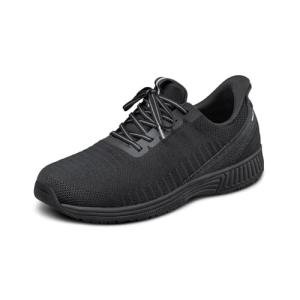
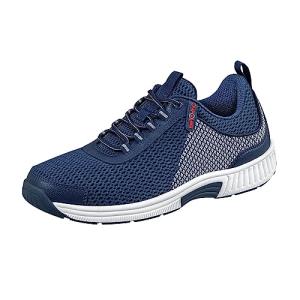
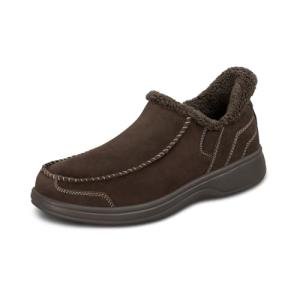
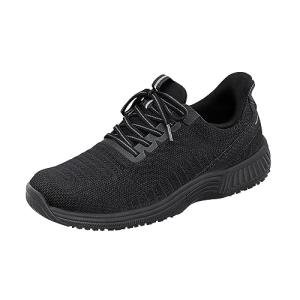
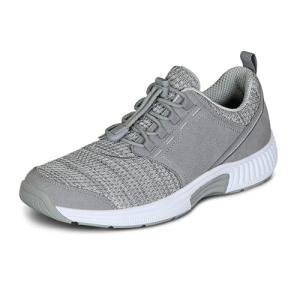
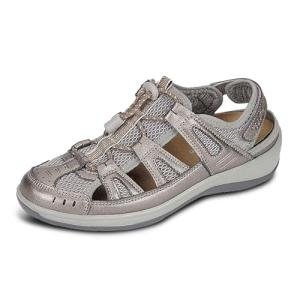
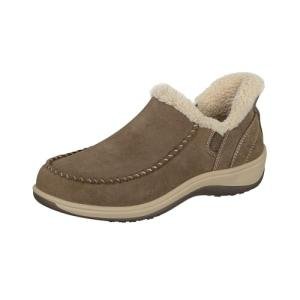
Top picks at a glance (from this category’s product grid)
Neuropathy comfort usually comes down to pressure-free fit, smooth interiors, and stable cushioning. Click a pick to compare prices from retailers on Stepwise Footwear.
Men’s picks
Women’s picks
Quick “choose your use” guide
- Most sensitive feet: start with a sneaker that avoids pressure points and feels smooth inside.
- Swelling or top-of-foot tenderness: prioritise adjustability and avoid anything that feels tight across the midfoot.
- Home comfort matters: slippers can reduce irritation if you’re currently wearing flat, unsupportive house shoes.
Index
What neuropathy is
Neuropathy is nerve-related discomfort that can cause numbness, tingling, burning, or reduced sensation in the feet. Because sensation can be altered, small pressure points and friction may become painful (or go unnoticed until irritation develops). Neuropathy-friendly footwear focuses on comfort, protection, and stable support.
What to look for in neuropathy-friendly shoes
- Roomy toe box and wide-fit options: reduces compression and rubbing over sensitive areas.
- Soft, seam-minimised uppers: helps reduce hotspots and irritation.
- Extra depth and removable insoles: makes room for orthotics and reduces top-of-foot pressure.
- Plush cushioning: helps absorb impact and can reduce “sharp” foot loading.
- Stable heel counter: improves rearfoot security and balance feel.
- Broad, stable platform: reduces side-to-side wobble and fatigue.
- Smooth transition: can reduce forefoot stress during toe-off.
Common mistakes to avoid
- Pointed or narrow toe boxes that squeeze the forefoot.
- Rough interior seams that rub (especially when sensation is reduced).
- Overly stiff, cramped uppers that press the top of the foot.
- Worn-out cushioning (flat midsoles can increase discomfort quickly).
Fit checklist
- Toe space: toes can wiggle freely with no side pressure.
- Zero hotspots: walk for several minutes and check for rubbing points.
- Secure heel: minimal slip to reduce friction and improve stability.
- Gentle upper pressure: no tightness across the top of the foot.
- End-of-day try-on: swelling is common; fit should remain comfortable.
Recommended shoes for neuropathy
These styles are commonly chosen for neuropathy comfort because they combine cushioning, stable support, and foot-friendly fit options. Use the product grid on this category page to compare prices and availability across retailers.
Tip: For neuropathy, “pressure-free fit” usually beats “maximum cushioning.” If you feel any rubbing or sharp pressure in-store, it will often feel worse over time. Choose smooth interiors, roomier toe space, and adjustability first.
FAQs
1) What is the most important shoe feature for neuropathy?
A roomy, pressure-free fit (wide toe box, soft uppers, and minimal seams) is often the biggest comfort upgrade.
2) Are wide-fit shoes better for neuropathy?
Often yes, especially if you have numbness, swelling, or rubbing. Wide fit reduces compression that can trigger irritation.
3) Do cushioned shoes help neuropathy pain?
They can help by reducing impact and pressure, but cushioning should be paired with stability so the shoe does not feel wobbly.
4) Should I use orthotics or inserts?
Many people benefit from supportive inserts, especially if shoes have removable insoles and extra depth to prevent tightness.
5) Are seamless uppers important?
Yes. Smooth interiors and reduced seams help prevent friction and hotspots that can become painful.
6) What if I have balance issues?
Choose a broad, stable base with a secure heel counter. Stability can improve confidence and reduce fatigue.
7) Is extra depth necessary?
It can be, particularly if you have swelling, sensitive tops of feet, or need orthotics. Extra depth reduces pressure.
8) Are rocker soles helpful for neuropathy?
They can help by smoothing the step and reducing forefoot stress, but comfort depends on your gait and stability needs.
9) Should I avoid tight lacing?
Yes. Use gentle lockdown that keeps the heel secure without compressing the midfoot or forefoot.
10) When should I seek professional advice?
If symptoms are worsening, you have skin breakdown, or you are unsure about safe footwear choices, consult a clinician.
Back to top picks