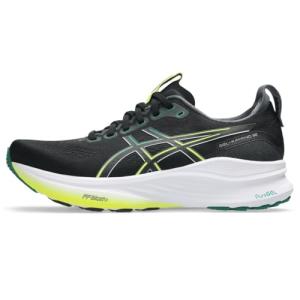
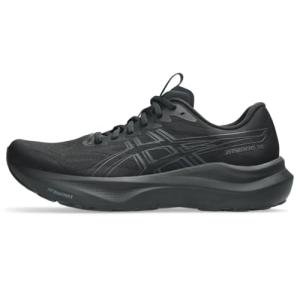
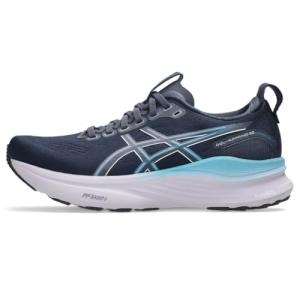
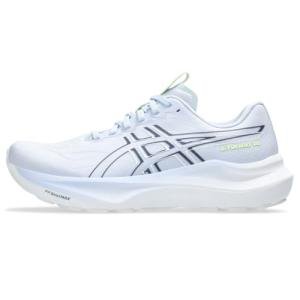
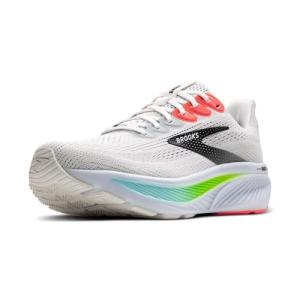
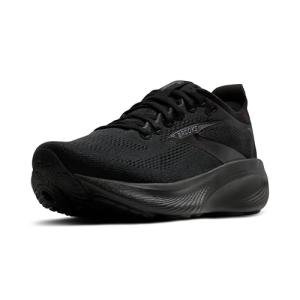
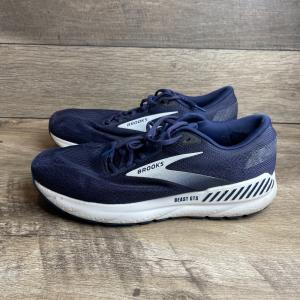
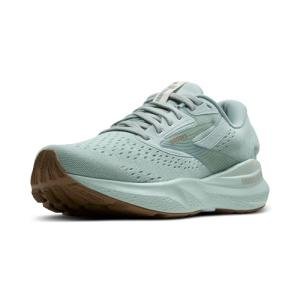
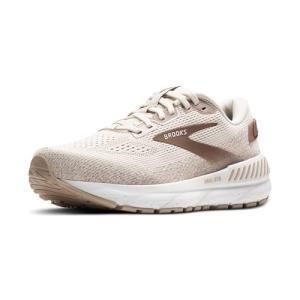
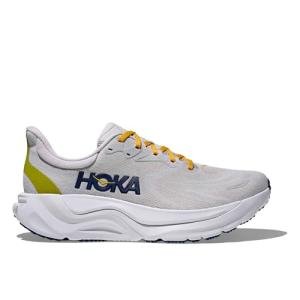
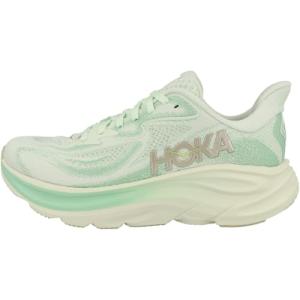
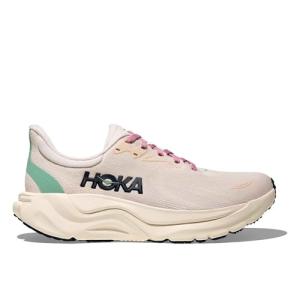
Top picks at a glance (from this category’s product grid)
These are reliable starting points for flat feet and overpronation. Click a pick to compare prices from retailers on Stepwise Footwear.
Men’s picks
Women’s picks
If you want maximum support (still from this grid)
If you want comfort-first support (still from this grid)
Index
What flat feet and overpronation are
Flat feet usually means the arch sits lower or flattens significantly when you stand and walk. Overpronation describes the foot rolling inward more than average during gait. Not all flat feet are painful, and not all overpronation needs correction, but if you feel fatigue, shin soreness, heel pain, or knee discomfort, a more supportive shoe can help reduce strain and improve stability.
What to look for in flat feet + overpronation shoes
- Stability guidance: structured support that helps limit excess inward rolling.
- Firm heel counter: holds the rearfoot steady and reduces wobble.
- Supportive midfoot/arch structure: helps reduce arch fatigue and improves alignment.
- Broad, stable platform: gives a steadier base and can improve confidence.
- Balanced cushioning: enough shock absorption without feeling unstable.
- Removable insole: helpful if you wear orthotics or want to upgrade support.
- Wide-fit comfort: stability works best when the shoe is not squeezing the forefoot.
Common mistakes to avoid
- Very soft, unstable shoes that allow the foot to “sink” and roll inward.
- Minimalist or thin soles if you need shock absorption and support.
- Oversizing for width (often causes heel slip and reduces stability).
- Old shoes with collapsed midsoles (support fades before the outsole looks worn).
Fit checklist
- Secure heel: minimal slip and a stable rearfoot feel.
- Comfortable arch contact: supportive, not painful or pokey.
- Stable walk test: your foot feels guided, not forced, and you feel less inward roll.
- Toe box space: toes can wiggle freely (especially if you need wide fit).
- End-of-day try-on: feet swell; fit should still feel comfortable and stable.
Recommended shoes for flat feet + overpronation
These styles are commonly chosen because they offer stability support, secure heel structure, and cushioning that stays controlled. Use the product grid on this category page to compare prices and availability across retailers.
Tip: If “support” feels harsh at first, try a stability shoe with more cushioning or a wide fit to reduce pressure. Stability should feel like gentle guidance, not a painful arch poke. If you use orthotics, choose a model with a removable insole and a firm heel counter.
FAQs
1) Are flat feet always a problem?
No. Many people have flat feet without pain. Support becomes more important when you feel fatigue, ache, or instability.
2) What is overpronation?
Overpronation is when the foot rolls inward more than average during walking or running, which can increase strain in some people.
3) Are stability shoes the best choice for overpronation?
Often, yes. Stability shoes provide structured guidance to limit excess inward rolling and improve control.
4) Can cushioned shoes still be good for flat feet?
Yes, as long as cushioning is paired with a stable platform and secure heel so the shoe does not feel wobbly.
5) Should I choose neutral or stability shoes?
If you notice ankle roll-in, uneven wear, or fatigue, stability is usually a safer bet. Neutral may work if your gait is stable and pain-free.
6) Do arch supports help flat feet?
They can help reduce arch fatigue and improve comfort, but fit matters. Support should feel comfortable, not sharp.
7) What if arch support hurts?
Try a wider fit, a different arch shape, or a more cushioned stability shoe. Painful pressure is a sign the support is not matching your foot.
8) Are orthotics necessary?
Not always. Many people improve with stability shoes alone. Orthotics can help if you need more customised support.
9) How do I know if a shoe is stable enough?
Look for a firm heel counter, broad base, and a guided feel when you walk. You should feel steadier without being forced.
10) When should I seek professional advice?
If pain is persistent, worsening, or affecting daily activity, a clinician can help assess gait, footwear needs, and treatment options.
Back to top picks