Note: Medical disclaimer at the bottom of this page, jump to disclaimer.
Understanding Bunions (Hallux Valgus)
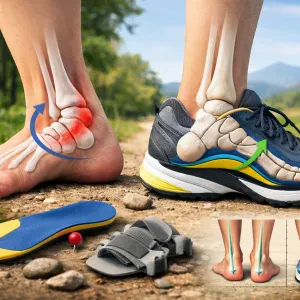
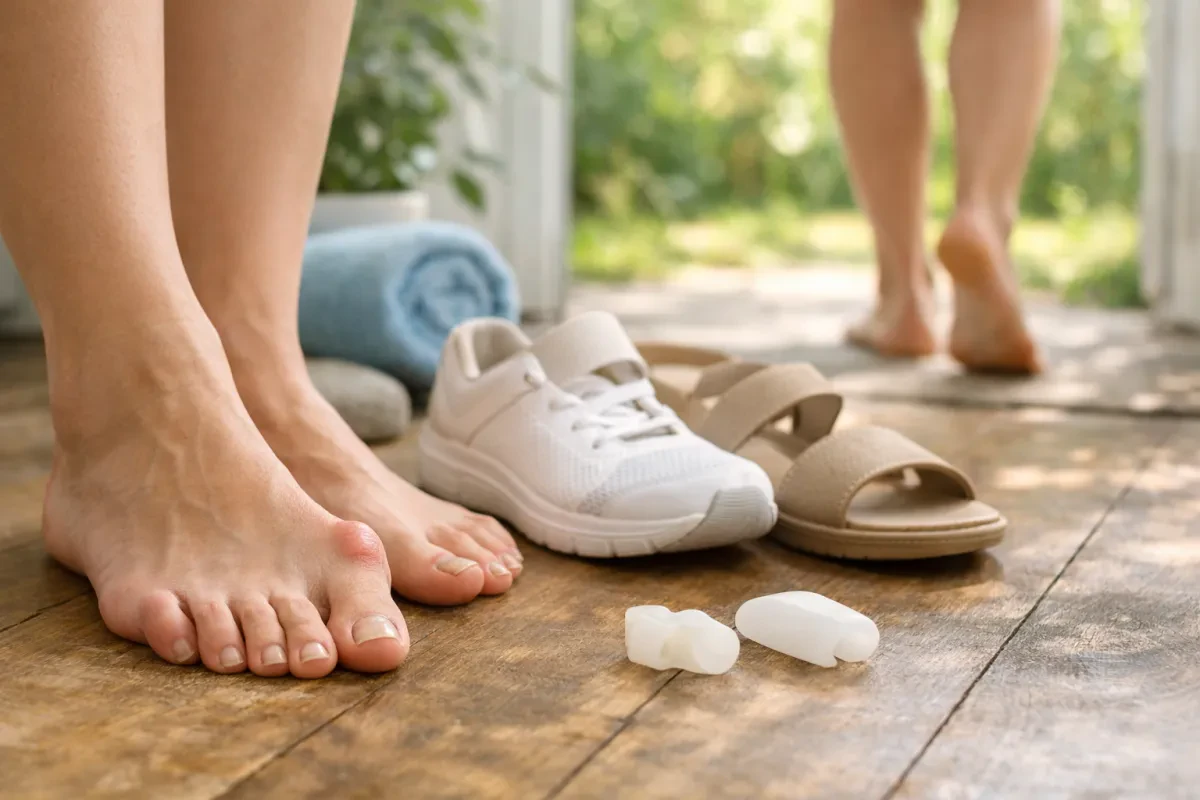
A bunion is a bony bump that forms on the joint at the base of your big toe. It occurs when some of the bones in the front part of your foot move out of place, causing the tip of your big toe to get pulled toward the smaller toes. This forces the joint at the base of your big toe to stick out. In 2026, we understand that while genetics play a role, footwear choice is the primary factor in managing the pain and progression of the deformity.
The challenges of Wide-Fit feet
Many people suffer from foot pain simply because they are wearing shoes that are too narrow. Standard "Medium" width shoes can compress the metatarsal bones, leading to numbness, "burning" sensations, and the accelerated development of bunions or neuromas. A wide-fit foot requires more than just a larger size, it needs a shoe built on a wider "last" (the internal mold) to provide actual room for the forefoot to splay naturally.
Essential features for a bunion-friendly shoe
If you have bunions or wide feet, look for these specific engineering traits. If you want to view a product on Amazon, click the Continue button next to the price.
- Anatomical Toe Box: A foot-shaped front that doesn't taper to a point.
- Stretchable Uppers: Materials like engineered mesh, soft leather, or "knit" fabrics that conform to the bunion.
- Seamless Interior: To prevent friction and blisters on the sensitive skin over the bunion joint.
- Depth: Extra vertical space so the top of the shoe doesn't press down on the toes.
- Midfoot Lockdown: A secure fit through the middle of the shoe to keep the foot from sliding forward into the toe box.
Width Guide: US vs. UK/International Standards
Understanding shoe widths is vital for long-term comfort, but sizing systems vary significantly between the US, UK, and Europe. If you have bunions, you likely need at least one step up from "Standard."
Table 1: US Width Standards
| Term | Women's (US) | Men's (US) |
|---|---|---|
| Standard | B | D |
| Wide | D | 2E |
| Extra-Wide | 2E | 4E |
| XX-Wide | 4E | 6E |
Table 2: UK & International Width Standards
In the UK and many parts of Europe, widths are often denoted by letters E through H. Use this table to translate your needs across regions.
| UK/EU Letter | Standard Equivalent | Best For... |
|---|---|---|
| E / EE | Wide | Slight bunion or wider forefoot |
| EEE (3E) | Extra-Wide | Significant bunions or swelling |
| EEEE (4E) / G | Extra-Wide Plus | Very wide feet or post-surgery |
| H / K / M | Ultra-Wide | Extreme swelling or orthopedic needs |
Pro Tip: If your current shoes feel tight on the sides but have plenty of room at the toes, move up a width, not a size.
Non-surgical relief: Spacers and Sleeves
In 2026, many non-surgical tools can help manage bunion discomfort throughout the day.
- Gel Toe Spacers: Placed between the first and second toe to encourage better alignment while wearing shoes.
- Bunion Sleeves: A thin, padded sleeve that protects the bunion joint from rubbing against the shoe.
- Night Splints: Designed to gently pull the big toe back toward a neutral position while you sleep.
Top 2026 brands for Wide Fit and Bunions
These brands are the gold standard for accommodating wider foot shapes. If you want to view a product on Amazon, click the Continue button next to the price.
- Orthofeet: Specialized in "stretch-knit" uppers and extra-wide therapeutic fits.
- HOKA: Offers wide versions of their most cushioned models, providing a stable, wide base.
- Brooks: Known for their 2E and 4E options in the Ghost and Adrenaline series.
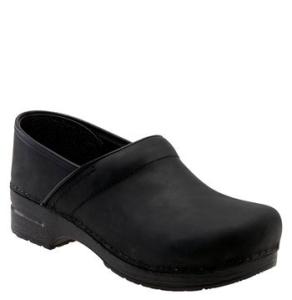
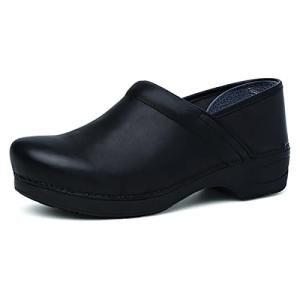
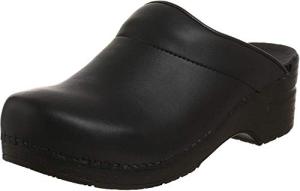
- Dansko: Their professional clogs feature a reinforced, naturally wide toe box.
- New Balance: One of the few brands offering consistent sizing up to 6E width.
Explore specialized picks: Best shoes for bunions and wide feet
FAQs
Can shoes cure a bunion?
No, shoes cannot reverse the bony change of a bunion. However, the right shoes can stop the *pain* and may slow the progression of the deformity.
Are wide shoes the same as big shoes?
No. Buying a larger size in a standard width just makes the shoe too long, which can lead to tripping and heel slippage. Always prioritize the correct width for your foot shape.
Should I wear heels if I have a bunion?
High heels are a primary aggravator because they shift all your weight onto the bunion joint and usually have narrow, pointed toes. If you must wear a heel, look for a "wedge" or a lower heel with a rounded toe box.
Related guides
Find the best brand for your specific foot shape using our depth guides. If you want to view a product on Amazon, click the Continue button next to the price.
- Orthofeet wide & extra-wide therapeutic picks
- HOKA wide cushion work picks
- Brooks wide-fit support picks
- Best work shoes for standing all day
- Plantar fasciitis and heel pain relief picks
Best next step: Measure your foot width at the widest part (the ball of the foot) late in the day and compare it to international width charts. If your current shoes are rubbing or causing redness on the bunion joint, it's time to upgrade to a wide-fit model with a soft, stretchable upper. If you want to view a product on Amazon, click the Continue button next to the price.
Medical disclaimer: This content is for general information only and is not medical advice, diagnosis, or treatment. Wide-fit shoes and spacers may improve comfort but cannot reverse a bony deformity. If your bunion is severely painful, red, or limiting your mobility, consult a qualified medical professional (such as a GP, podiatrist, or orthopedic surgeon).