Note: Medical disclaimer at the bottom of this page, jump to disclaimer.
The physical toll of standing all day
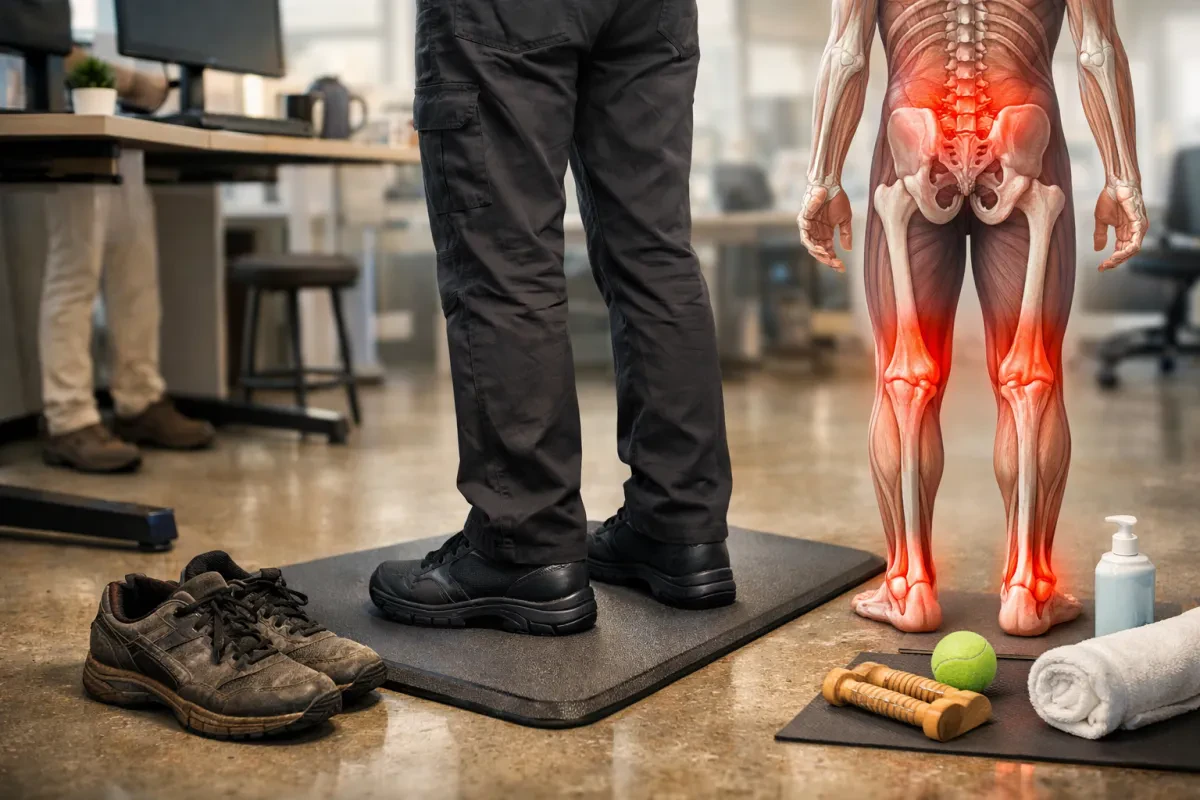
Standing for eight or more hours on hard surfaces like concrete or tile places immense stress on the musculoskeletal system. Unlike walking, which uses a dynamic range of motion, standing is "static loading." This causes blood to pool in the lower extremities, increases pressure on the spinal discs, and leads to consistent tension in the plantar fascia and calf muscles. In 2026, occupational health experts emphasize that "standing fatigue" is a cumulative condition that requires a proactive approach to footwear and recovery.
Why "soft" isn't always best for long shifts
A common mistake is choosing the "squishiest" shoe available. While a very soft shoe feels great for the first twenty minutes, it can actually cause more fatigue over eight hours. Ultra-soft foam often "bottoms out," leaving your foot to deal with the hard floor directly. Furthermore, overly soft shoes lack the stability needed to keep your ankles and knees aligned. For 2026, the gold standard is resilient cushioning, material that absorbs impact but returns to its original shape quickly.
Essential features of a 2026 work shoe
When selecting a shoe for a long shift, look for these non-negotiable features. If you want to view a product on Amazon, click the Continue button next to the price.
- Wide Toe Box: Your feet will naturally swell by up to half a size during a shift; you need room for this expansion.
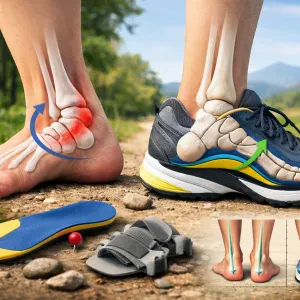
- Structured Arch Support: Prevents the "aching arch" feeling that sets in around hour five.
- Slip-Resistant Outsole: Essential for safety in healthcare, hospitality, and retail environments.
- Breathable Upper: Mesh or perforated leather helps regulate temperature and moisture.
- Stability Features: A wide base or heel counter to prevent the foot from "wobbling" as muscles tire.
Tips for mid-shift relief
You don't have to wait until you get home to start recovering. Small adjustments during your shift can significantly reduce end-of-day pain.
- Shift Your Weight: Avoid "locking" your knees. Keep a slight bend and shift your weight from heel to toe periodically.
- Elevate When Possible: Even five minutes of elevation during a lunch break can help with circulation.
- Dynamic Stretching: Simple toe flexes and calf raises can re-engage the "muscle pump" in your legs to help move blood back toward the heart.
The role of compression and insoles
Footwear is only half the battle. In 2026, many professionals use a layered approach to comfort.
Compression Socks
Graduated compression socks (15-20 mmHg) are highly recommended for standing roles. They help prevent swelling (edema) and reduce the "heavy leg" feeling by aiding venous return.
Aftermarket Insoles
If your favorite work shoe has a flat factory insole, replacing it with a high-quality orthopedic insert can provide the specific arch support your foot type requires, whether you have flat feet or high arches.
Top brand categories for all-day standing
Different brands offer different "feels" for long shifts. Choose based on your specific comfort preference. If you want to view a product on Amazon, click the Continue button next to the price.
- HOKA: Best for maximal shock absorption and a "rocking" motion that eases walking.
- Dansko: The industry standard for firm, "rocker-bottom" support that doesn't compress.
- Brooks: Excellent for holistic support that protects the knees and hips via GuideRails.
- Orthofeet: Best for sensitive feet, neuropathy, or those needing extra-wide options.
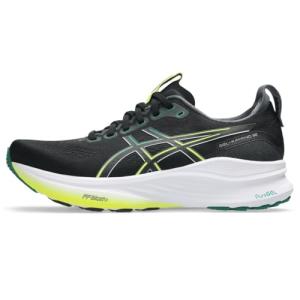
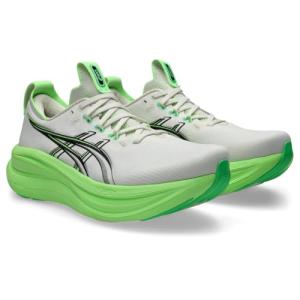
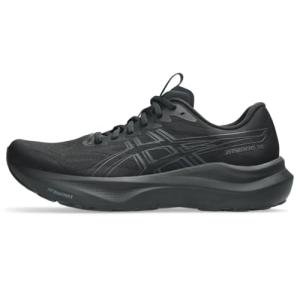
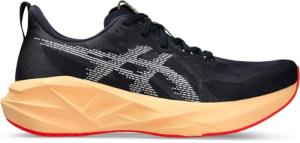
- ASICS: Reliable gel cushioning for those who prefer a more traditional athletic feel.
Explore specialized picks: Best work shoes for standing all day
FAQs
How often should I replace my work shoes?
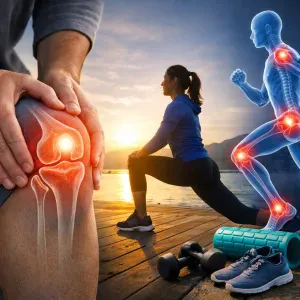
If you stand all day, the internal cushioning typically loses its effectiveness after 4 to 6 months. If you start feeling new aches in your knees or back, it's likely time for a new pair.
Should I buy two pairs of shoes?
Yes. Rotating between two different pairs of shoes allows the foam in each pair to fully decompress and "rest" for 24 hours, extending the life of the shoes and giving your feet a slightly different stimulus each day.
Are memory foam shoes good for standing?
Usually, no. Memory foam tends to compress fully under constant pressure, providing very little actual support after the first hour of a shift.
Related guides
Use these guides to find the specific comfort technology that matches your workplace needs. If you want to view a product on Amazon, click the Continue button next to the price.
- HOKA maximal cushion work picks
- Dansko iconic professional clogs
- Brooks adaptive support for long shifts
- Plantar fasciitis and heel pain relief picks
- Wide fit shoes for bunions and swelling
Best next step: Evaluate your current work shoes for wear and tear. If they are over six months old, consider upgrading to a model with resilient, anti-fatigue cushioning. Pair your new shoes with compression socks for the best all-day results. If you want to view a product on Amazon, click the Continue button next to the price.
Medical disclaimer: This content is for general information only and is not medical advice, diagnosis, or treatment. Supportive shoes and compression may improve comfort but cannot treat underlying medical conditions. If your pain is persistent, severe, or causes numbness, consult a qualified medical professional (such as a GP, podiatrist, or physiotherapist).