Note: Medical disclaimer at the bottom of this page, jump to disclaimer.
What is a Heel Spur and why does it cause pain?
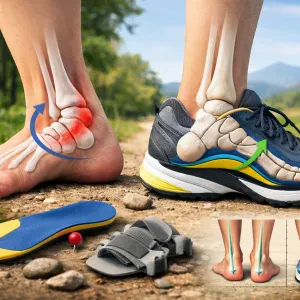
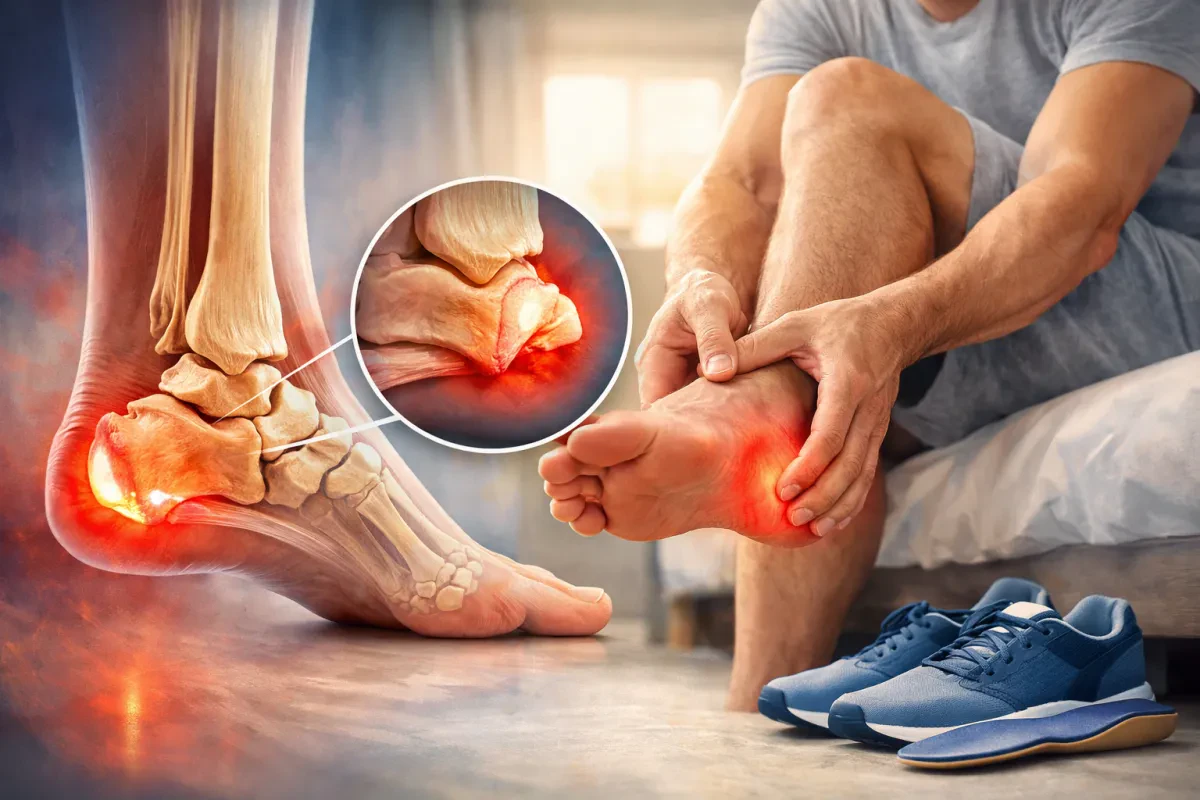
A heel spur is a calcium deposit causing a bony protrusion on the underside of the heel bone. Often caused by long-term strain on muscles and ligaments, these spurs can develop over many months. While the spur itself is not always painful, it often irritates the soft tissues surrounding it, leading to chronic inflammation.
In 2026, we recognize that heel spurs are frequently a secondary symptom of mechanical issues in the foot. Simply "removing" a spur is rarely the answer; instead, managing the pressure and impact that the heel receives is the most effective way to eliminate the associated pain.
Heel Pain vs. Plantar Fasciitis: Understanding the difference
Many people use these terms interchangeably, but they are distinct conditions. Plantar fasciitis is the inflammation of the ligament, while a heel spur is a physical change to the bone. However, they are closely linked: about 70% of people with plantar fasciitis also have a heel spur visible on an X-ray.
Distinguishing Features
- Plantar Fasciitis: Pain is often sharpest in the morning and localized to the arch-side of the heel.
- Heel Spurs: Pain can be more persistent throughout the day and feels like a "pin" poking the bottom of the heel.
- Bursitis: Sometimes mistaken for a spur, this involves inflammation of a fluid-filled sac at the back of the heel.
Common symptoms of heel spurs
Because the spur is a physical growth, the symptoms often center around pressure sensitivity. You may feel a dull ache most of the time, punctuated by sharp pain when your heel strikes a hard floor.
What to look for
- Sharp Pain: Like a knife or pin sticking into the bottom of your foot when you first stand up.
- Dull Ache: A nagging discomfort in the heel that persists after a long day of standing.
- Visible Inflammation: Sometimes, the area around the spur may appear slightly swollen or warm to the touch.
- Tenderness: Pain when walking barefoot on hard surfaces like tile or hardwood.
Home relief: Cushioning, Taping, and Ice
Relieving heel pain at home focuses on "offloading", reducing the direct pressure on the bony protrusion. Consistency is key to allowing the surrounding inflammation to subside.
Effective Home Strategies
- Silicone Heel Cups: These inexpensive inserts provide a "donut" of cushion that cradles the spur and absorbs shock.
- Icing: Using a cold pack for 20 minutes several times a day can help calm the soft tissue irritation.
- Heel-to-Toe Stretching: Gently stretching the calf and the bottom of the foot reduces the "pull" on the heel bone.
- Avoid Barefoot Walking: Always wear supportive slippers or recovery shoes on hard indoor floors to protect the spur.
Advanced 2026 Treatments: From Orthotics to Injections
If home care isn't enough, modern clinical treatments in 2026 focus on regenerative medicine and precision mechanics to manage the spur's impact.
Modern Clinical Options
- Custom Functional Orthotics: Specifically designed to "well out" or create a hollow space under the spur to eliminate pressure.
- Extracorporeal Shockwave Therapy (ESWT): Highly effective for chronic heel pain by stimulating healing in the irritated soft tissue.
- Cortisones and Biologics: Targeted injections to reduce severe inflammation in the "fat pad" of the heel.
Selecting the right footwear for heel protection
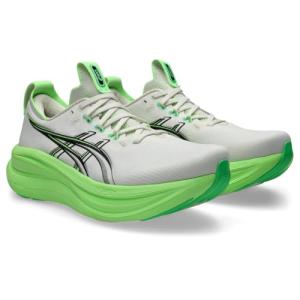
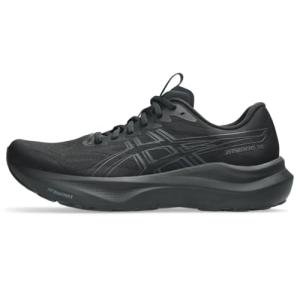
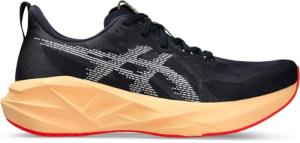
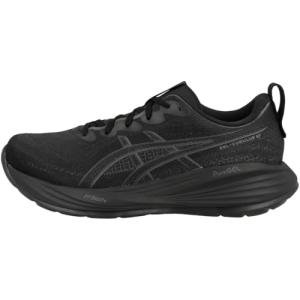
The right shoe can make the difference between a painful shift and a comfortable one. For heel spurs, you need shoes with a "deep heel seat" and "high-rebound cushioning." If you want to view a product on Amazon, click the Continue button next to the price.
Footwear Features to Look For
- Rearfoot Shock Absorption: Look for Gel, Air, or specialized foams (like DNA Loft or Enerzy) in the heel.
- Heel Drop: A moderate heel-to-toe drop (8mm-12mm) helps shift your weight away from the rearfoot.
- Rigid Heel Counter: A firm back to the shoe prevents the heel from sliding and irritating the spur.
Explore specialized picks: Heel pain and spur relief picks
FAQs
Do I need surgery to remove the spur?
Surgery is very rare and is usually only considered if all other treatments fail after a year. Most people find 100% relief by simply managing the inflammation and wearing the right shoes.
Can a heel spur go away on its own?
The calcium deposit (the spur) will remain, but the *pain* can absolutely go away once the surrounding tissue is no longer inflamed.
Are memory foam shoes good for heel spurs?
While they feel soft initially, memory foam often "bottoms out" under the weight of the heel. A more resilient, high-rebound cushioning is usually better for long-term spur protection.
Related guides
Use these guides to find the best brands for heel impact protection. If you want to view a product on Amazon, click the Continue button next to the price.
- HOKA maximal cushion for heel spurs
- ASICS Gel cushioning for heel pain
- Brooks adaptive cushion picks
- Orthofeet therapeutic heel support
- Best work shoes for standing all day
Best next step: If you are currently in pain, start by using a silicone heel cup and avoid walking barefoot. Evaluate your shoes—if the heel is worn down or flat, it's time to upgrade to a model with superior rearfoot shock absorption. If you want to view a product on Amazon, click the Continue button next to the price.
Medical disclaimer: This content is for general information only and is not medical advice, diagnosis, or treatment. Shoes and home remedies may improve comfort but they cannot treat the underlying cause of persistent foot pain. If your pain is severe or worsening, consult a qualified medical professional (such as a GP, podiatrist, or physiotherapist).