
Amazon Tip: To view full sizing, live pricing, colours, and availability on Amazon, click the Continue button next to the price on this page. This page will usually geo-locate you to your local Amazon marketplace and currency automatically (where available), or you can choose from an extensive list of countries at the top of the page.
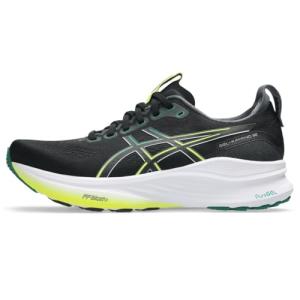
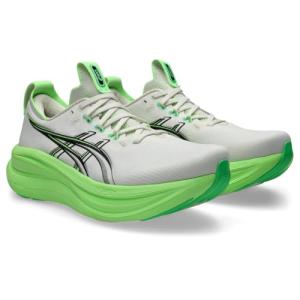
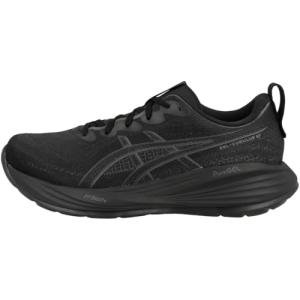
ASICS GT-2000 14 (Men’s), Guided Support and High Cushioning for Road Miles
The GT-2000 14 is built for runners and walkers who want a smooth road ride with extra guidance. It combines high cushioning with stability support features to help you feel more comfortable and controlled on daily miles, steady paced training, and longer walk or run sessions on hard surfaces.
Quick Specs
| Surface | Road | Cushion | High |
|---|---|---|---|
| Heel Drop | 8 mm | Weight | 270 g / 9.52398 oz (varies by size) |
| Support Type | Neutral (with guidance for extra stability) | ||
Why it helps with everyday foot stress and longer distance comfort
- More guided stability: support features help you feel more controlled, especially when fatigue sets in.
- Softer landings: shock absorption and high cushioning help reduce harsh impact on hard road surfaces.
- Comfort for daily miles: designed for steady pacing, everyday training, and longer sessions.
Tech and Features
- 3D GUIDANCE SYSTEM: designed to guide your foot in a natural way for extra support.
- PureGEL technology: improves softness and shock absorption to reduce impact.
- FF BLAST MAX foam: delivers softer landings and extra cushioning for comfort on harder surfaces.
- Comfort and support focus: developed with testing at the ASICS Institute of Sport Science (ISS) in Japan.
Fit Notes
- A strong option if you want extra guidance during daily runs, or you feel you benefit from a more supported platform.
- The best fit feels secure at the heel and midfoot, with comfortable room at the toes.
- Widths and sizing options vary by retailer, always confirm the exact options on the Amazon listing before ordering.
Foot pain categories this shoe may help with
- Flat Feet and Overpronation, guidance and a supported platform may help reduce arch strain linked to inward rolling.
- Plantar Fasciitis, cushioning plus a more supported ride may help if impact sensitivity is part of your discomfort.
- Heel Pain and Heel Spurs, shock absorption may help take the edge off heel impact on hard surfaces.
- Standing All Day, high cushioning and support can help reduce end of day foot fatigue.
Size Guide (How to choose the right fit)
Running shoes should feel secure in the heel and midfoot, with a little room at the front. Aim for about a thumb’s width (roughly 10 to 12 mm) of space between your longest toe and the end of the shoe.
How to measure your foot at home
- Place a sheet of paper against a wall and stand on it with your heel lightly touching the wall.
- Mark the tip of your longest toe (it may be your second toe).
- Measure heel to toe in mm or cm and use the retailer’s size chart to match your length.
- Measure both feet and use the larger measurement.
Width tips (Standard vs Wide)
- Choose Wide if your foot feels squeezed at the forefoot, you often size up for width, or you get hot spots on the sides.
- Choose Standard if you like a snug midfoot hold and have no pressure at the sides.
- If you wear orthotics, ensure the fit stays secure without needing to over tighten laces.
Tip: Fit can vary slightly by colourway, width, and retailer, so always match your measurement to the specific listing’s size chart.
FAQ
Is the GT-2000 14 a stability shoe?
It is designed to provide extra guidance and support, making it a strong option if you want more control than a typical neutral trainer.
Is it good for walking or standing all day?
Many people use supported road trainers for walking because they combine cushioning with a more guided platform, fit matters most.
What does it feel like?
Smooth, cushioned, and supported, best for easy runs, steady pacing, and comfort focused daily mileage.
Medical disclaimer: This content is for general information only and is not medical advice. Foot pain can have many causes and the right shoe depends on your diagnosis, gait, and individual needs. If your pain is persistent, severe, worsening, or follows an injury, consult a qualified medical professional (such as a podiatrist, physiotherapist, or GP) before continuing activity or relying on footwear changes alone.