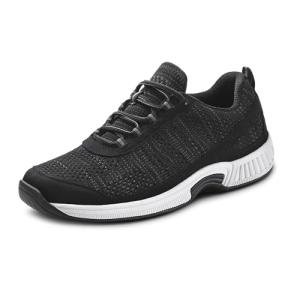
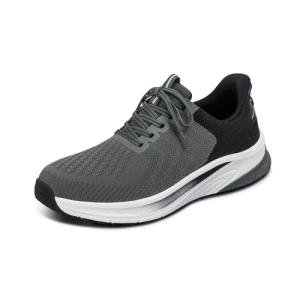
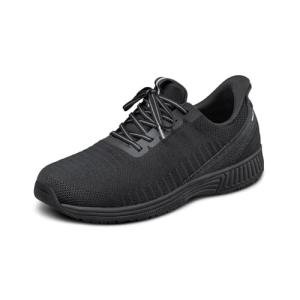
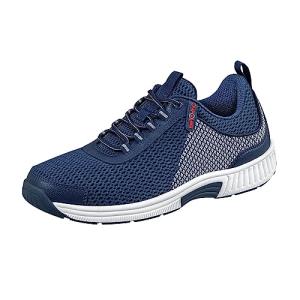
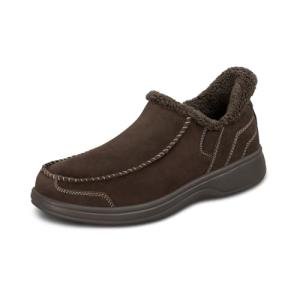
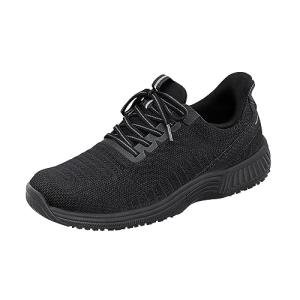
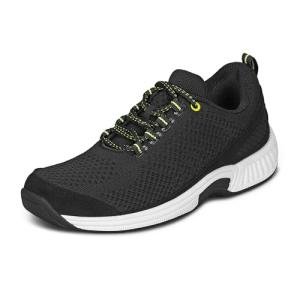
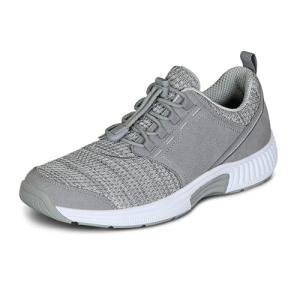
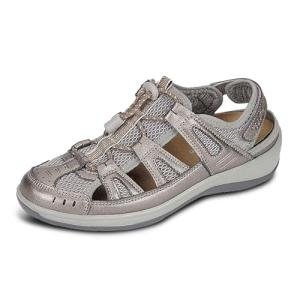
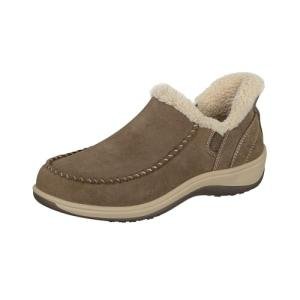
Top picks at a glance (from this page’s product grid)
Orthofeet is a strong choice when you want pressure-free comfort, roomy fit, and easy everyday wear. Click a pick to compare retailer prices.
Men’s picks
Women’s picks
Quick “choose your use” guide
- Most sensitive feet: start with a roomy knit sneaker (pressure-free feel).
- Limited bending / quick on-off: start with hands-free or no-tie styles.
- Daily walking support: start with a walking-focused model.
- Home comfort: choose supportive slippers instead of thin, flat house shoes.
Index
What this Orthofeet page covers
This page collects Orthofeet options that many people choose for pressure-free comfort, wide-fit-friendly designs, and easy everyday wear. Use the product grid above to compare prices across retailers.
Quick match: which Orthofeet should I start with?
- I want the easiest on/off: start with Hands-Free sneakers.
- I dislike tight laces or top-of-foot pressure: start with No-Tie sneakers.
- I want the roomiest feel: choose Wide Knit options.
- I want walking-first support: choose a walking shoe like Edgewater.
- I want indoor relief: choose supportive slippers for home.
- I want warm-weather comfort: choose supportive sandals like Verona.
What to look for in sensitive-feet footwear
- Roomy toe box and wide-fit options: reduces compression and rubbing.
- Soft, seam-minimised uppers: helps reduce hotspots and irritation.
- Extra depth and removable insoles: makes room for orthotics and reduces top-of-foot pressure.
- Stable base: steadier geometry improves comfort and confidence.
- Pressure-free lockdown: secure heel without squeezing the forefoot.
Common mistakes to avoid
- Choosing tight fits that create pressure points.
- Using thin, flat slippers at home if you’re sensitive on “first steps.”
- Keeping shoes after the cushioning feels flat or you start getting new hotspots.
Fit checklist
- Toe space: toes can wiggle freely with no side pressure.
- No hotspots after 5–10 minutes of walking.
- Secure heel with minimal slip.
- Gentle upper pressure: no tightness across the top of the foot.
- Try later in the day if you swell.
FAQs
1) Is Orthofeet good for sensitive feet?
Orthofeet is often chosen for comfort-first fit, roomy options, and pressure-reducing designs.
2) What is the best Orthofeet option for easy on/off?
Hands-free sneaker styles are a strong first choice if bending/tying feels difficult.
3) Do wide knit styles help swelling and bunions?
They can. Roomier uppers can reduce pressure on sensitive areas and feel better later in the day.
4) Should I wear supportive slippers at home?
If you currently wear thin, flat house shoes, switching to supportive slippers can reduce daily irritation and “first steps” discomfort.
5) Can I use orthotics with Orthofeet?
Many models are orthotic-friendly and work well with removable insoles, but always check fit and depth for your insert.
Back to top picks