Note: Medical disclaimer at the bottom of this page, jump to disclaimer.
What are Flat Feet and Overpronation?
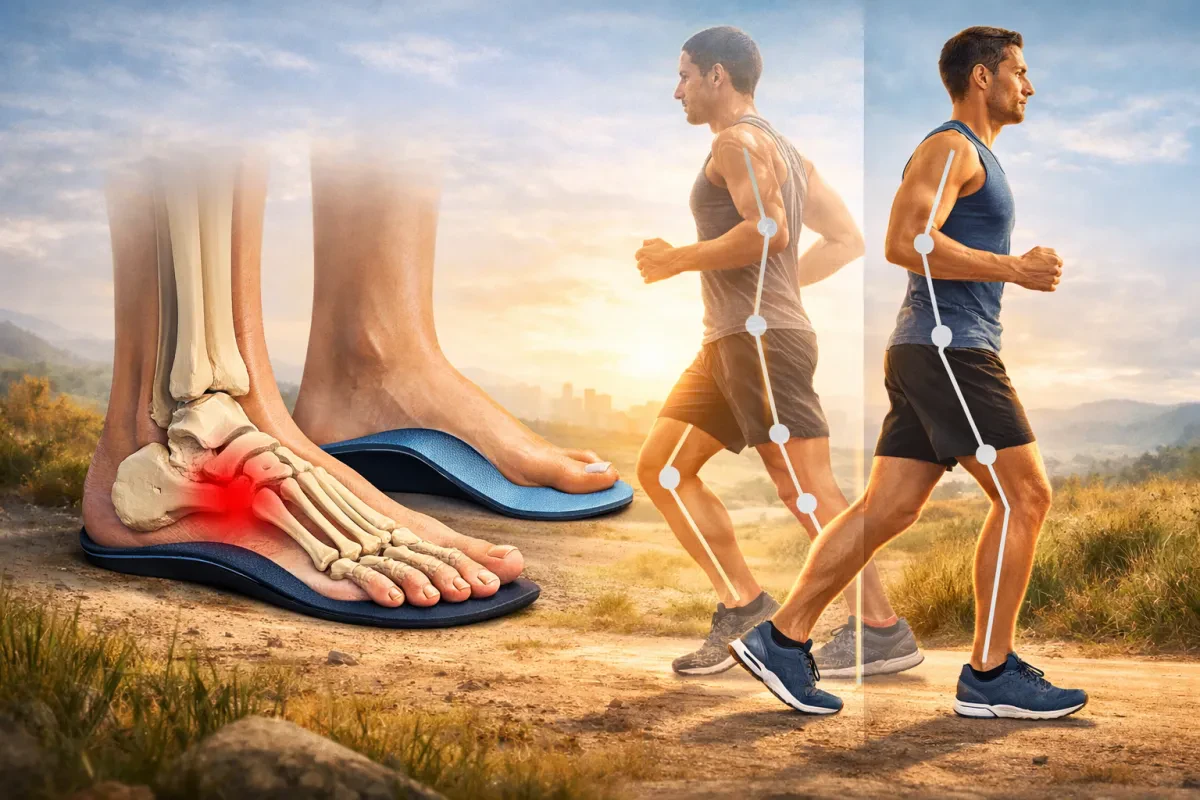
Flat feet (pes planus) occur when the arches on the inside of your feet are flattened, allowing the entire sole of the foot to touch the floor when standing. Overpronation is the technical term for the foot rolling too far inward during the walking cycle. While many people are born with flat feet, "acquired" flat feet can develop due to age, weight, or repetitive stress on the posterior tibial tendon. In 2026, we manage these conditions by providing external stability that mimics the function of a healthy arch.
The "Wet Footprint" test for arch height
Determining your arch type is the first step toward finding relief. A simple way to do this is the wet footprint test: wet your foot and step onto a piece of cardboard or a dark-colored tile.
- Flat Arch: The footprint looks like a complete foot with very little curve inward at the midfoot.
- Normal Arch: There is a distinct curve inward, but the heel and forefoot are clearly connected.
- High Arch: Only the heel and the ball of the foot are visible, with almost no connection at the midfoot.
Common symptoms of untreated Overpronation
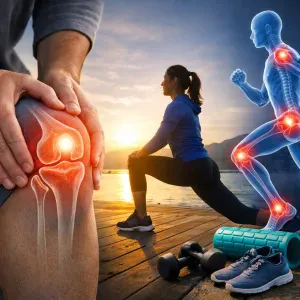
Overpronation doesn't just affect the feet; because it causes the lower leg to rotate inward, it can trigger a chain reaction of pain up the body. Recognizing these symptoms early can prevent chronic injury.
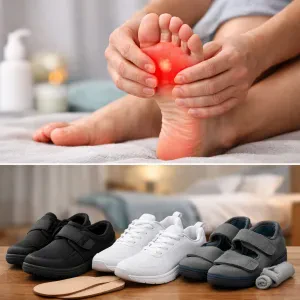
- Arch and Heel Pain: Excessive stretching of the plantar fascia ligament.
- Shin Splints: Increased stress on the muscles and tendons of the lower leg.
- Knee and Hip Pain: Caused by the internal rotation of the leg bone (tibia) during every step.
- Bunions and Calluses: Increased pressure on the inner side of the big toe joint.
Stability vs. Motion Control: Choosing the right level
Footwear for flat feet generally falls into two categories based on how much "correction" is required.
Stability Shoes
Designed for mild to moderate overpronation. These use dual-density foams or holistic support systems like "GuideRails" to gently guide the foot into a neutral path. They offer a balance of cushioning and support.
Motion Control Shoes
Designed for severe overpronation or completely flat feet. These have a heavy, rigid "post" on the inner side of the shoe to physically block the foot from rolling inward. They are firmer and less flexible than stability shoes.
Advanced 2026 Support: GuideRails and Medial Posts
In 2026, the industry has moved toward more "natural" support systems. While traditional "medial posts" (firmer foam under the arch) are still effective, newer technologies like Brooks' GuideRails act like bumpers on a bowling alley—providing support only when your foot deviates from its natural motion path. This prevents "over-correction" which can lead to other joint pains.
The role of structured footwear in alignment
The right shoe acts as the foundation for your entire skeletal structure. For flat feet, you need a shoe with a straight last (the shape of the sole) and a firm heel counter. If you want to view a product on Amazon, click the Continue button next to the price.
Footwear Features to Look For
- Firm Arch Reinforcement: To prevent the midsole from collapsing under the weight of the arch.
- Straight or Semi-Curved Last: Provides more surface area under the midfoot for better balance.
- Torsional Rigidity: The shoe should not twist easily in the middle.
- Removable Footbeds: Vital if you need to add custom-molded orthotics for extra lift.
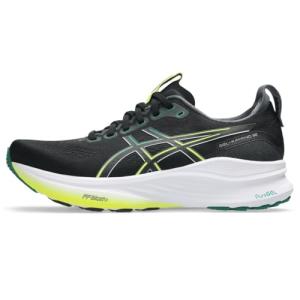
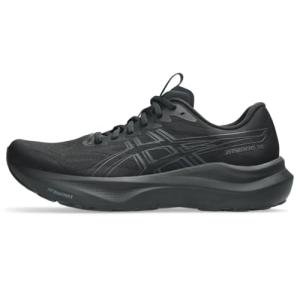
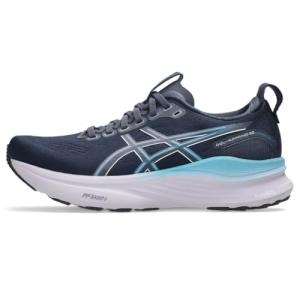
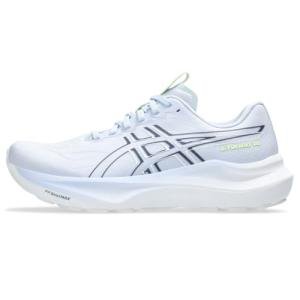
Explore specialized picks: Best shoes for flat feet and overpronation
FAQs
Are flat feet always a problem?
No. Many people have flat feet with no pain. You only need to seek stability footwear if you are experiencing pain in your arches, shins, knees, or hips.
Can I "cure" flat feet with exercise?
While you can strengthen the muscles that support the arch (like the posterior tibialis), you cannot change the underlying bony structure. Footwear provides the structural support that exercises alone cannot.
Should I buy a shoe with a very high arch?
Not necessarily. For flat feet, a shoe with a firm arch is more important than a high arch. A high arch in a soft shoe will simply collapse, while a firm arch will provide the necessary resistance.
Related guides
Find the best technology for arch support using our category guides. If you want to view a product on Amazon, click the Continue button next to the price.
- Best shoes for overpronation and flat feet
- Brooks GTS support technology picks
- ASICS stability and Gel picks
- Orthofeet anatomical arch support picks
- Best work shoes for standing all day
Best next step: Perform the "Wet Footprint" test to confirm your arch height. If your print shows a full foot shape and you are experiencing leg or arch fatigue, look for a "Stability" or "GTS" model from our recommended brands. If you want to view a product on Amazon, click the Continue button next to the price.
Medical disclaimer: This content is for general information only and is not medical advice, diagnosis, or treatment. Stability shoes and orthotics may improve comfort and alignment but cannot change foot structure. If your flat feet cause severe pain, swelling, or localized heat, consult a qualified medical professional (such as a GP, podiatrist, or physiotherapist).