Note: Medical disclaimer at the bottom of this page, jump to disclaimer.
What causes Joint Pain in the feet and lower limbs?
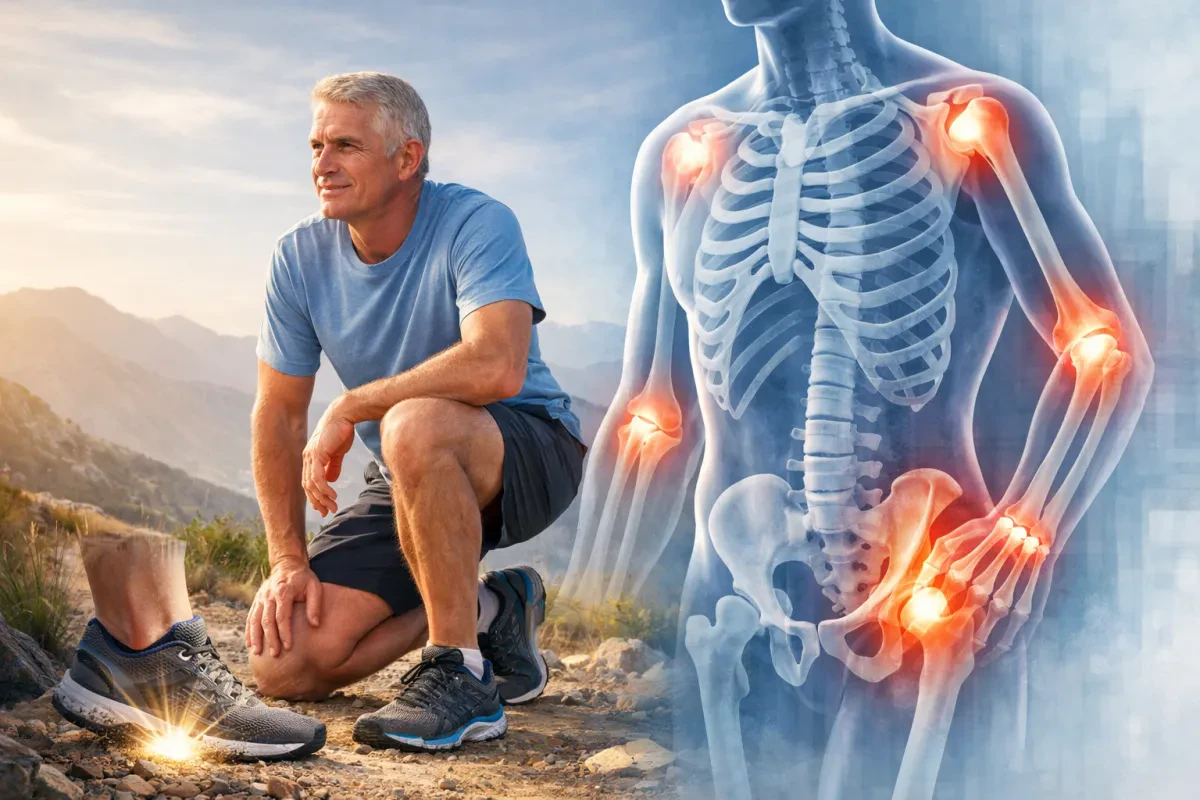
Joint pain in the feet can result from a variety of factors, including overuse, acute injury, or the gradual thinning of the protective cartilage between bones. Because each foot contains 33 joints, there are many potential points of irritation. In 2026, we understand that joint pain in the feet is often the "canary in the coal mine" for pain that eventually travels up to the knees, hips, and lower back due to altered gait patterns.
The relationship between foot alignment and joint stress
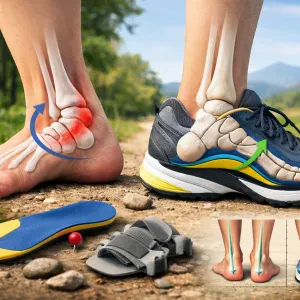
When your feet are not properly aligned, due to flat feet, high arches, or overpronation, your joints are forced to move through ranges of motion they aren't designed for. This "mechanical stress" leads to localized inflammation. Correcting this alignment through supportive footwear is one of the most effective ways to reduce joint load and prevent secondary pain in the knees and hips.
Common symptoms of chronic joint discomfort
Joint pain can be elusive, often presenting as a dull ache that sharpens during specific movements. Recognizing the patterns of your discomfort is key to finding the right 2026 relief strategy.
- Weight-Bearing Pain: Discomfort that triggers as soon as you stand up but may lessen once you are moving.
- Post-Activity Throbbing: A deep ache in the joints that occurs several hours after you have finished walking or standing.
- Limited Range of Motion: Stiffness that makes it difficult to flex the foot upward or push off the toes.
- Grinding Sensations: A feeling of "bone-on-bone" friction within the midfoot or ankle joints.
Conservative home relief: RICE and Movement
Managing joint pain at home in 2026 focuses on calming inflammation while maintaining the lubricating fluid (synovial fluid) within the joint capsules.
Effective Home Strategies
- Active Recovery: Gentle, non-impact movements like swimming or the elliptical help "grease the wheels" of the joints without the trauma of hard-surface impact.
- Contrast Therapy: Alternating between warm soaks to loosen stiffness and ice packs to reduce acute swelling.
- Epsom Salt Soaks: Magnesium absorption can help relax the muscles surrounding the joints, reducing overall tension.
- Foot Yoga: Simple toe spreads and ankle rotations to maintain joint flexibility.
Advanced 2026 Treatments: Shockwave and Biologics
For persistent joint pain that doesn't respond to home care, 2026 clinical options focus on tissue regeneration and mechanical unloading.
Modern Clinical Options
- Extracorporeal Shockwave Therapy (ESWT): Stimulates blood flow and cellular repair in the soft tissues surrounding the joint.
- Viscosupplementation: Injections that act as a "lubricant" for joints that have lost natural cartilage cushion.
- Custom Functional Orthotics: Highly specialized inserts that shift the weight-bearing load to healthier parts of the foot.
- Kinesiology Taping: Provides external structural support to the joints during high-activity periods.
The role of maximal cushioning and stability
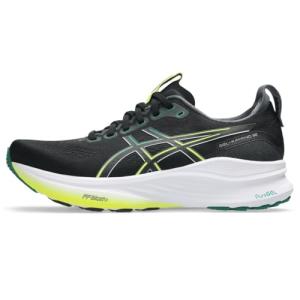
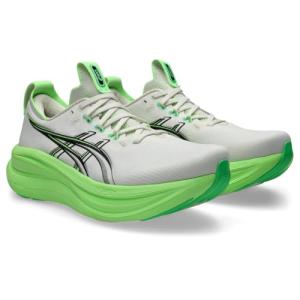
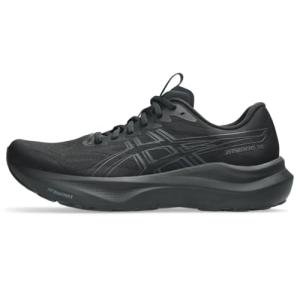
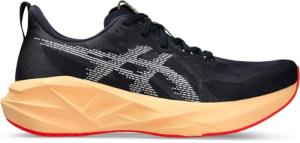
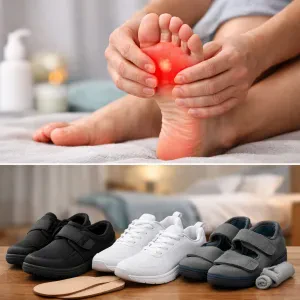
The right footwear acts as an external "shock absorber" for your joints. In 2026, the priority is maximal impact protection. If the shoe absorbs the force of the ground, your joints don't have to. If you want to view a product on Amazon, click the Continue button next to the price.
Footwear Features to Look For
- Maximal Midsole Cushioning: High-rebound foams (like HOKA's Enerzy or Brooks' DNA Loft) to filter out vibration.
- Wide Base: Provides the stability needed to prevent "micro-wobbles" that strain the ankle and knee joints.
- Meta-Rocker Design: Helps the foot roll through the step, reducing the need for joint flexion in the toes and midfoot.
- Removable Insoles: Essential for adding specialized medical-grade inserts.
Explore specialized picks: Best walking shoes for joint pain
FAQs
Is walking good for joint pain?
Yes, but only if you are wearing the right shoes. Walking in flat, unsupportive shoes can increase joint damage. In 2026, "motion is lotion," but only when the impact is managed.
Should I wear a brace for joint pain?
Braces are helpful for acute flares, but long-term use can sometimes weaken the surrounding muscles. Use a brace for support during heavy activity, but focus on strengthening exercises for long-term health.
Why do my joints hurt more on hard floors?
Hard surfaces provide zero "give," meaning 100% of the impact force travels directly into your joints. Maximalist cushioned shoes are specifically designed to solve this problem.
Related guides
Compare the best technology for joint protection from our top brands. If you want to view a product on Amazon, click the Continue button next to the price.
- Best walking shoes for joint pain relief
- HOKA maximal cushion picks
- ASICS Gel impact protection
- Brooks adaptive cushion picks
- Best work shoes for standing all day
Best next step: If you feel joint pain mainly in your knees or hips, prioritize a shoe with maximal cushioning. If the pain is in your midfoot or toes, look for a rocker-sole model to reduce joint flex. If you want to view a product on Amazon, click the Continue button next to the price.
Medical disclaimer: This content is for general information only and is not medical advice, diagnosis, or treatment. Supportive footwear and home care may improve comfort but cannot treat underlying medical conditions. If your joint pain is severe, accompanied by swelling, or limits your mobility, consult a qualified medical professional (such as a GP, podiatrist, or physiotherapist).