Note: Medical disclaimer at the bottom of this page, jump to disclaimer.
What is Plantar Fasciitis?
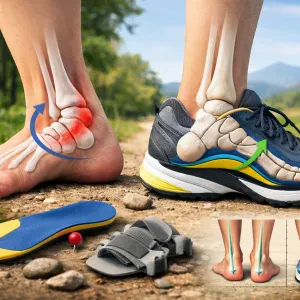
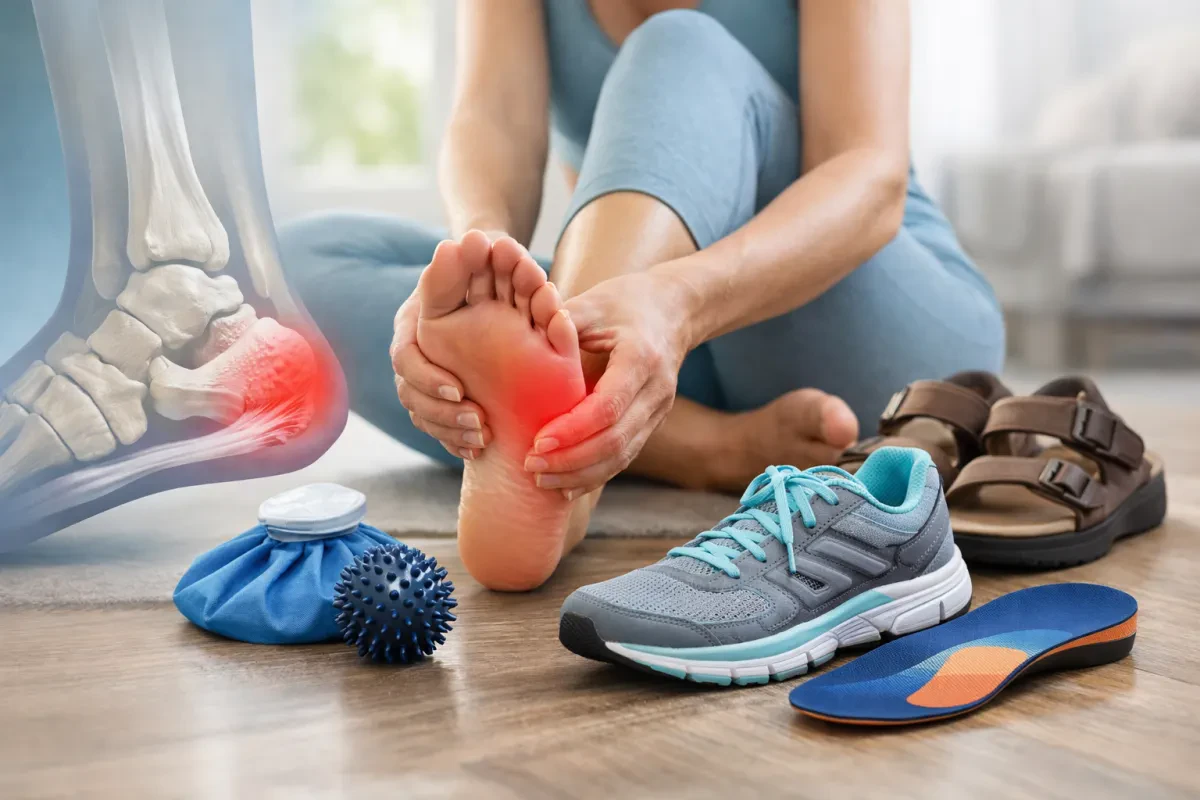
Plantar fasciitis is one of the most common causes of heel pain. It involves inflammation of a thick band of tissue (the plantar fascia) that runs across the bottom of each foot and connects the heel bone to the toes. This tissue acts as a shock-absorbing bowstring, supporting the arch in your foot. If tension and stress on that bowstring become too great, small tears can occur, leading to irritation and inflammation.
While often associated with athletes, it frequently affects those who stand for long periods or wear unsupportive shoes. In 2026, we understand more than ever that "rest" alone is rarely the cure; active management through loading and support is key.
Common symptoms and the "First Step" test
The hallmark of plantar fasciitis is a stabbing pain in the bottom of your foot near the heel. This pain is typically at its worst during the first few steps after awakening. As you move and the tissue warms up, the pain usually decreases, but it may return after long periods of standing or when you stand up after sitting.
Key indicators
- Morning Pain: Sharp pain upon waking or after long periods of rest.
- Post-Exercise Ache: Pain typically increases *after* activity, rather than during it.
- Tenderness: Focused pain when pressing on the inner side of the heel.
- Stiffness: A feeling of tightness in the arch that limits your range of motion.
Primary causes and risk factors
Understanding why the fascia is inflamed is the first step toward long-term relief. While it can develop without a clear cause, several factors increase your risk:
- Age: Most common between the ages of 40 and 60.
- Foot Mechanics: Flat feet, a high arch, or even an atypical pattern of walking can affect weight distribution.
- Occupations: Teachers, factory workers, and nurses who spend most of their hours walking or standing on hard surfaces.
- Obesity: Excess pounds put extra stress on your plantar fascia.
- Improper Footwear: Thin-soled shoes, flip-flops, or worn-out sneakers lack the necessary arch support.
Conservative home treatments (Stretching & Ice)
Most people (up to 95%) can find relief using conservative methods within a few months. Consistency is the most important factor in these home-based strategies.
Effective Home Strategies
- Calf Stretching: Tight calf muscles increase the pull on the plantar fascia. Stretching the gastrocnemius and soleus muscles is essential.
- Ice Rolling: Rolling your foot over a frozen water bottle for 15 minutes provides both cold therapy and a gentle massage.
- Night Splints: These hold the foot in a flexed position overnight, preventing the fascia from tightening and reducing that "first step" morning pain.
- Arch Taping: Using Kinesiology tape can provide temporary structural support during the day.
Advanced 2026 treatments: Shockwave & Laser
For chronic cases that don't respond to stretching, 2026 medical protocols often suggest non-invasive technological interventions before considering surgery.
Modern Clinical Options
- Extracorporeal Shockwave Therapy (ESWT): Uses sound waves to create "micro-trauma" that jumpstarts the body's natural healing response.
- High-Intensity Laser Therapy (HILT): Uses specific wavelengths of light to reduce inflammation and accelerate tissue repair.
- Platelet-Rich Plasma (PRP): Injections of your own concentrated platelets can support healing in persistent, recalcitrant cases.
The role of supportive footwear
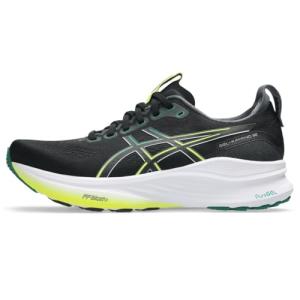
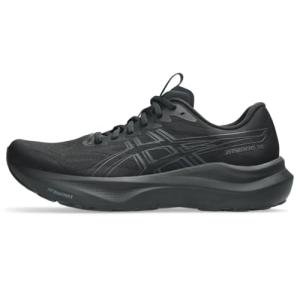
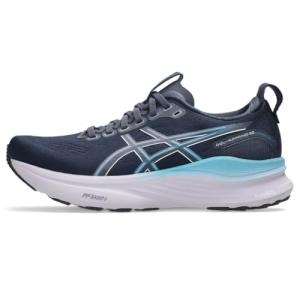
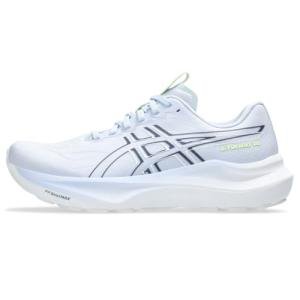
The shoes you wear for 8 to 12 hours a day are your primary defense against plantar fasciitis. A good shoe for this condition must have three things: a firm heel counter, anatomical arch support, and a cushioned midsole. If you want to view a product on Amazon, click the Continue button next to the price.
Footwear Features to Look For
- Arch Support: Prevents the fascia from overstretching during the weight-bearing phase.
- Cushioned Heel: Absorbs the impact of every step on hard floors.
- Rocker Bottom: Helps roll the foot forward, reducing the demand on the arch.
Explore specialized picks: Plantar fasciitis and heel pain relief picks
FAQs
Can I walk through the pain?
Mild activity is usually fine, but sharp, stabbing pain is a signal to stop. "Pushing through" can lead to a complete tear or chronic thickening of the tissue.
Are flip-flops okay if they have arch support?
While some specialized brands offer supportive sandals, traditional flat flip-flops are one of the worst choices for plantar fasciitis as they force the toes to "grip," tightening the fascia.
How long does it take to heal?
With consistent treatment, most people feel significantly better within 3 to 6 months. Chronic cases may take a year or longer to fully resolve.
Related guides
Choosing the right brand can make a significant difference in your recovery speed. View our brand-specific guides below. If you want to view a product on Amazon, click the Continue button next to the price.
- HOKA maximal cushion picks
- Brooks holistic support picks
- ASICS gel cushioning picks
- Orthofeet therapeutic picks
- Best work shoes for standing all day
Best next step: Start with gentle calf stretches today and evaluate your current daily footwear. If your shoes are flat or worn out, consider moving to a model with built-in arch support. If you want to view a product on Amazon, click the Continue button next to the price.
Medical disclaimer: This content is for general information only and is not medical advice, diagnosis, or treatment. Shoes and home stretching may improve comfort but they cannot treat the underlying cause of persistent foot pain. If your pain is severe or worsening, consult a qualified medical professional (such as a GP, podiatrist, or physiotherapist).