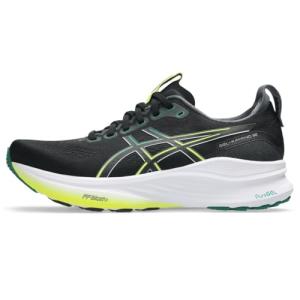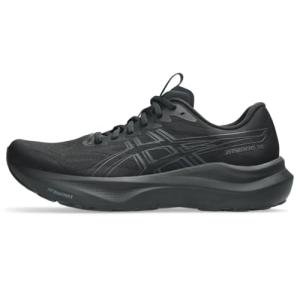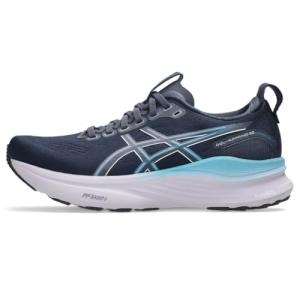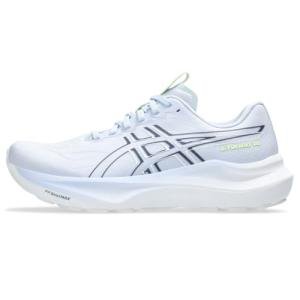

Amazon Tip: To view the product page on Amazon with full sizing, live pricing, colours, and availability, click the Continue button next to the price on this page. This page will usually geo-locate you to your local Amazon marketplace and currency automatically (where available), or you can choose from an extensive list of countries at the top of the page.
Mizuno Neo Vista 2 (Men’s), High Stack Super Trainer for Effortless Daily Miles, Uptempo Runs, and Long Runs
The Neo Vista 2 is designed for runners who want big cushioning with a smooth, rolling transition that still feels stable. It combines a very tall stack with a plate-supported ride to help you cruise through easy runs, push the pace for tempo days, and stay comfortable on longer sessions.
Quick Specs (confirm exact details on the Amazon listing)
| Surface | Road, pavement | Category | Neutral, high stack super trainer |
|---|---|---|---|
| Heel-to-toe drop | 8 mm | Weight | 265 g (listed) |
| Stack height | 44.5 mm (high stack) | ||
Why it can feel good for everyday foot stress
- High cushioning for hard surfaces: the tall stack is designed to feel cushioned and compliant on roads.
- Smoother, easier transitions: plate support and a rolling geometry can help your stride feel more effortless.
- More stable for a high stack shoe: the dual-layer midsole design and plate help add stability underfoot.
Tech and Features
- Smooth Speed Assist: training-focused features developed from racing shoes, designed to support efficient form with less strain.
- Dual-layer cushioning: nitrogen infused MIZUNO ENERZY NXT on top for softness and energy return, EVA-based MIZUNO ENERZY NXT below for added stability.
- MIZUNO WAVE and Smooth Speed Plate: full-length, glass-fibre infused wave plate to stabilise soft cushioning and support a smooth transition.
- Upper: seamless knit upper with refinements for a more secure feel.
- Outsole: premium X10 rubber for grip and durability.
Fit Notes
- Important: this model is often noted as fitting large, many people do best going half a size smaller.
- For best comfort, aim for a secure heel and midfoot hold with relaxed toe room.
- Always confirm the size chart, width, and colourway notes on the Amazon product page before ordering.
Foot pain categories this shoe may help with
- Heel Pain and Heel Spurs, high cushioning can help reduce impact sensitivity on hard surfaces.
- Plantar Fasciitis, cushioned comfort may help if impact and fatigue contribute to discomfort.
- Walking Shoes for Joint Pain, a cushioned, smooth rolling ride can help reduce fatigue on longer walks.
- Standing All Day, high cushioning can help reduce end of day foot tiredness on hard floors.
- Arthritis-Friendly Shoes, smoother transitions and cushioning can help reduce irritation from repetitive steps, fit matters most.
- Flat Feet and Overpronation, a more stable platform can feel steadier if inward rolling contributes to fatigue.
Size Guide (high stack trainer fit)
Aim for a secure heel and midfoot feel, with enough room at the front so toes are not cramped. A practical guideline is about a thumb’s width (roughly 10 to 12 mm) between your longest toe and the end of the shoe.
Quick fitting check
- Heel hold: minimal heel slip when walking or jogging.
- Midfoot comfort: secure lockdown without pinching across the top of the foot.
- Toe room: no pressure at the front, especially if you do longer runs or long walks.
Tip: Always confirm the size chart and any fit notes shown on the Amazon product page before ordering.
FAQ
Is this a race shoe?
It is positioned as a high-performance daily trainer that uses racing-inspired features for smoother training runs.
What runs is it best for?
Easy miles, uptempo training, and long runs where you want big cushioning and a smooth transition.
Do I need to size down?
Many people find it fits large. If you are between sizes, consider going half a size smaller and confirm using the Amazon size chart.
Medical disclaimer: This content is for general information only and is not medical advice, diagnosis, or treatment. Shoes may improve comfort but they cannot treat the underlying cause of foot pain. If your pain is persistent, severe, or worsening, consult a qualified medical professional (such as a GP, podiatrist, or physiotherapist).