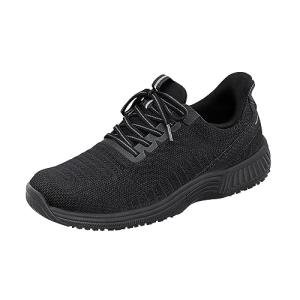
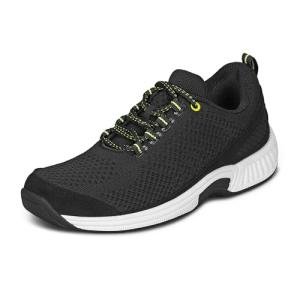
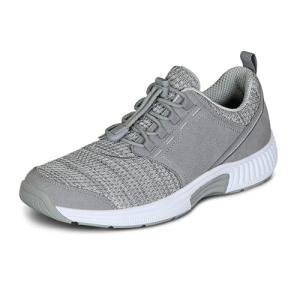
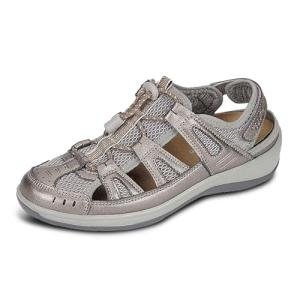
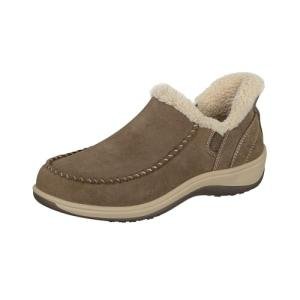
Top picks at a glance (from this category’s product grid)
These are reliable starting points for bunion comfort. Click a pick to compare prices from retailers on Stepwise Footwear.
Men’s picks
Women’s picks
If you work on your feet (clog options from this grid)
Index
What bunions are
A bunion is a bony bump at the base of the big toe where the joint shifts out of alignment. Over time, the big toe may angle toward the second toe, creating a prominent and pressure-sensitive area. Tight or narrow footwear can worsen irritation, while bunion-friendly shoes aim to reduce compression and improve comfort.
What to look for in bunion-friendly wide-fit shoes
- Wide toe box: the most important feature to reduce pressure on the bunion area.
- Wide-fit sizing: helps accommodate forefoot width and swelling.
- Soft or stretch uppers: reduces rubbing and hotspots over the bunion.
- Stable platform: a broad base reduces side pressure and improves balance.
- Rocker or stiffer forefoot: can reduce bending stress at the big toe joint during toe-off.
- Adjustability: laces/straps help fine-tune fit across the forefoot.
- Removable insole: useful for orthotics or extra-depth comfort inserts.
Common mistakes to avoid
- Narrow toe boxes that force the big toe inward.
- Pointed-toe styles that increase pressure and rubbing.
- Overly flexible forefoots that increase toe joint bending pain.
- Ignoring width and buying longer shoes instead (often causes heel slip).
Fit checklist
- Toe box space: you should be able to wiggle toes freely without bunion pressure.
- No rubbing at the bunion: walk around and check for hotspots.
- Secure heel: minimal slip even with a wider forefoot fit.
- Adjustable lockdown: laces/straps can snug midfoot without squeezing toes.
- End-of-day try-on: feet swell; the forefoot should still feel comfortable.
Recommended shoes for bunions + wide fit
These styles are commonly chosen for bunion comfort because they offer roomy toe boxes, supportive platforms, and wide-fit availability. Use the product grid on this category page to compare prices and availability across retailers.
Tip: For bunions, prioritise toe box shape (rounded/foot-shaped) and upper softness over “just more cushioning.” If the shoe bends very easily at the forefoot and your toe joint hurts, consider a slightly stiffer sole or rocker-style shoe to reduce joint motion.
FAQs
1) What is the best shoe feature for bunions?
A wide, roomy toe box is usually the biggest comfort upgrade because it reduces direct pressure on the bunion area.
2) Is wide fit the same as a wide toe box?
Not always. Some shoes are “wide” but still taper at the front. Look for wide sizing plus a rounded toe shape and a soft upper.
3) Should bunion shoes be soft or supportive?
Most people do best with both: soft/stretch uppers to reduce rubbing, plus stable support to improve alignment and reduce fatigue.
4) Do rocker soles help bunion pain?
They can, because rocker-like geometry reduces bending at the big toe joint during push-off.
5) Are high heels bad for bunions?
Often yes. Heels shift pressure forward and can increase compression at the big toe joint.
6) Should I size up to fit bunions?
Try wide or extra-wide first. Oversizing length often causes heel slip and doesn’t fix toe box shape issues.
7) Can I wear trainers with bunions?
Yes, many trainers are bunion-friendly if they offer wide sizing, a rounded toe box, and softer uppers that don’t create hotspots.
8) Do orthotics help bunions?
They may help comfort and alignment for some people, especially if you need more arch support or stability.
9) What if my bunion rubs the side of the shoe?
Choose a wider toe box and softer uppers. Some people prefer knit/stretch uppers to reduce friction.
10) When should I see a clinician about bunions?
If pain is severe, worsening, or affecting daily walking, seek professional advice to discuss conservative and medical options.
bunions, wide fit, roomy toe box, forefoot pain, soft uppers, orthotic friendly, max cushion, stability shoes, walking shoes, rocker sole
Back to top picks