Note: Medical disclaimer at the bottom of this page, jump to disclaimer.
How arthritis affects walking and shoe comfort
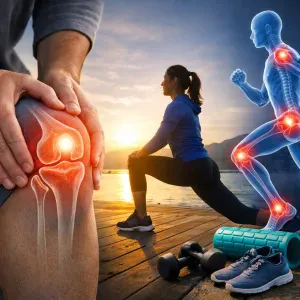
Arthritis can affect many joints, but in daily life the most frustrating discomfort often shows up in the feet, ankles, knees, and hips. When joints are inflamed or stiff, they do not like sudden loading, sharp bending, or repeated impact. That is why certain shoes feel instantly uncomfortable, especially shoes that are very flexible, very flat, or very thin underfoot.
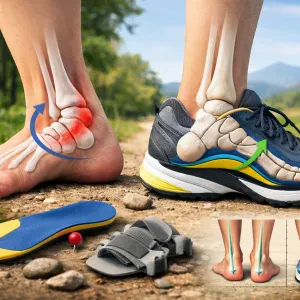
Foot arthritis often affects the big toe joint, midfoot, and ankle. When the big toe joint is sore, pushing off can hurt. When the midfoot is stiff, the foot may not roll smoothly, so each step can feel jerky. On top of that, swelling can change your fit during the day, turning a good morning shoe into a tight afternoon shoe.
Common comfort issues arthritis can create
- Stiff first steps: The foot may feel rigid until it “warms up.”
- Pain with push-off: Especially if the big toe joint is involved.
- Impact sensitivity: Hard floors and pavements feel more punishing.
- Swelling changes: Shoes that are snug can become tight and rub.
- Hands-friendly needs: If your hands are sore, laces can be frustrating.
Arthritis friendly shoes aim to reduce the triggers: they reduce impact, support smoother motion, and make it easier to get shoes on and off without fighting with fastenings.
Rocker soles and joint load reduction
Rocker soles are one of the most useful features for arthritis, because they can reduce how much the foot has to bend during walking. A rocker sole is curved, so instead of flexing sharply at the forefoot, you roll forward. This can reduce load at sore joints, particularly the big toe joint and midfoot.
Who benefits most from rocker soles
- Big toe joint stiffness or pain, including pain with push-off
- Midfoot arthritis where flexing is uncomfortable
- Joint pain that flares with longer walks
- People who feel better when steps are smoother and more “rolling”
Mild rocker vs aggressive rocker
A mild rocker is usually easier for daily wear. It gives smoother motion without feeling unstable. Aggressive rockers can feel very efficient for some people, but they can also feel like they tip you forward or feel less stable on uneven ground. If you are new to rocker shoes, start mild and build up slowly.
Toe box room still matters
Rocker soles can reduce joint load, but if the toe box squeezes the big toe joint, you can still feel irritated. Prioritise toe room, especially if the big toe joint is sore or swollen.
Cushioning for impact reduction
Impact is another common trigger for arthritis discomfort. Even if your main pain is in the toes or midfoot, repeated impact can irritate joints up the chain, including ankles, knees, and hips. Cushioning helps by reducing the harshness of each step, especially on hard indoor floors and pavements.
Stable cushioning beats soft cushioning
For arthritis, cushioning should feel supportive and stable. Too much softness can increase wobble, which makes joints work harder to stabilise. If you feel like you are sinking or swaying, choose a more stable base or a slightly firmer cushioning feel.
What cushioning level should you choose?
- Moderate cushioning: A strong default for most people, often stable and predictable.
- Higher cushioning: Useful for harder floors and sensitive joints, as long as the platform is wide and stable.
- Very minimal cushioning: Often less comfortable for arthritis, because impact is less controlled.
Many people with arthritis like a combination: a shoe that has both cushioning and a rocker style roll-through. That combo can reduce both impact and joint bending.
Easy on-off features that help hands too
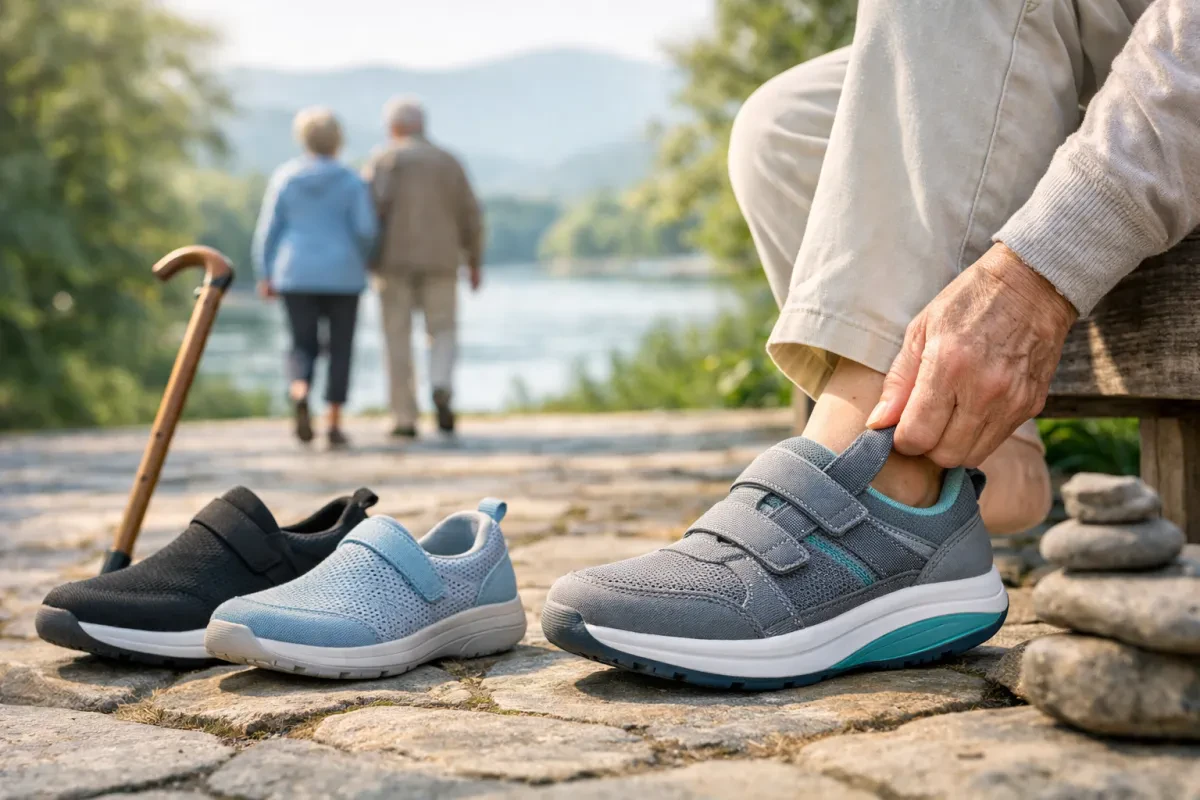
When hands are sore, small tasks like tying laces can become a daily frustration. Arthritis friendly shoes often include easier entry features, and it is worth prioritising them if you notice you avoid going out because putting shoes on feels like a hassle.
Helpful easy-entry features
- Pull tabs: Lets you slide shoes on more easily.
- Wider openings: Helps if ankles are stiff or feet swell.
- Stretch uppers: Can make entry easier while staying comfortable.
- Easy closures: Systems that avoid tight knots and fine finger work.
Slip-ons: supportive vs sloppy
A slip-on can be a great option if it still holds the heel securely and does not allow the foot to slide. Avoid floppy slip-ons that let your heel lift and your forefoot slide forward. Sliding increases friction and can cause toe pressure and rubbing.
A quick test for easy-entry shoes
After you put the shoe on, walk for a few minutes and check heel hold. If the heel slips, you may need a different size, a different heel shape, or a more secure closure system. Easy entry should not mean unstable fit.
Best picks for men
These men’s pick categories focus on arthritis needs: smoother roll-through, stable cushioning, and easier entry options. Use them to guide readers to your listings and let them compare widths, sizing, and current pricing. If you want to view a product on Amazon, click the Continue button next to the price.
Men’s pick 1: Rocker sole walking shoes for smoother steps
- Best for: big toe joint stiffness, midfoot arthritis, smoother stride
- Brands to check: HOKA rocker styles and rocker-focused walking designs
Men’s pick 2: Stable cushioned walking shoes for daily joint comfort
- Best for: general arthritis discomfort, daily walking, errands
- Brands to check: ASICS, Brooks, Mizuno
Men’s pick 3: Max cushioning with stable support for hard floors
- Best for: hard floors, longer days, joint impact sensitivity
- Brands to check: HOKA cushioned options, Brooks cushioned options
Men’s pick 4: Easy-entry supportive options for stiff days
- Best for: quick on-off, reduced hand strain
- Look for: secure heel hold, stable soles, wide opening
Men’s pick 5: Depth, wide fit, and orthotic-friendly comfort
- Best for: swelling changes, wider feet, orthotics, sensitive joints
- Brands to check: Orthofeet
Best picks for women
Women often need a balance of secure heel hold and roomy forefoot comfort, especially if swelling changes occur. Choose the category that gives a smoother step, reduced impact, and easier entry without losing stability. If you want to view a product on Amazon, click the Continue button next to the price.
Women’s pick 1: Rocker sole shoes for smoother roll-through
- Best for: stiff big toe joint, midfoot discomfort, smoother steps
- Brands to check: HOKA rocker styles and rocker-based walking designs
Women’s pick 2: Supportive cushioned walking shoes for daily comfort
Women’s pick 3: Higher cushioning with stable support for hard floors
Women’s pick 4: Easy-entry supportive options that help hands too
- Best for: quick on-off, reduced hand strain, travel
- Look for: secure heel fit, wide opening, stable platform
Women’s pick 5: Depth, wide fit, and orthotic-friendly comfort
- Best for: swelling days, wider feet, orthotics, sensitive joints
- Brands to check: Orthofeet
Fit tips for swelling days
Arthritis often comes with swelling changes. Some days your shoes feel fine, and other days the same pair feels tight. Planning for swelling is one of the easiest ways to improve comfort and reduce rubbing.
Practical fit tips
- Try shoes later in the day: That is when fit needs are most realistic.
- Choose correct length first: Do not size up for width. Use wide options instead.
- Prioritise toe box room: Big toe joint swelling needs space and a rounder toe shape.
- Look for depth if needed: More volume can reduce top-of-foot pressure.
- Use socks strategically: Slightly cushioned socks can reduce friction and pressure.
Keep heel hold secure
If you size too large, your heel may slip. Heel slip increases friction and can make walking feel less stable. A stable fit helps joint comfort, because your steps become more predictable and less tiring.
FAQs
Are rocker shoes good for arthritis?
They often are, especially for big toe joint and midfoot stiffness, because they reduce bending and help create a smoother step. Start with a mild rocker if you are new to the style, and make sure the shoe feels stable.
Are shoes with lots of cushioning always best?
Not always. Cushioning helps reduce impact, but too much softness can increase wobble. For arthritis, stable cushioning is usually best, especially if you are on your feet for long periods.
Do I need orthotics for arthritis?
Some people find orthotics helpful, particularly if they improve stability and load distribution. But many people see big improvements simply by choosing rocker support, stable cushioning, and the right fit. If you use orthotics, choose a depth shoe with a removable insole.
What if my hands make laces difficult?
Prioritise easy entry features like pull tabs, wide openings, and hands-friendly closures. Slip-ons can work if they still hold the heel securely and do not allow sliding.
How do I choose between two sizes?
Choose the size that gives comfortable toe space while keeping heel hold secure. If swelling is common, a slightly roomier forefoot with secure heel hold is often the better long shift choice.
Related guides: joint pain walking shoes, slip-ons
If arthritis is only one part of your discomfort, these related guides can help you narrow down further based on your daily routine and entry needs.
- Walking shoes for joint pain
- Work shoes for standing all day
- Arthritis-friendly shoes and rocker support picks
Best next step: start with the arthritis-friendly listings page and filter based on your main priority: rocker support for smoother steps, stable cushioning for impact, or easy entry for stiff hands and swollen days. Compare two to four options by fit, heel hold, and how smooth walking feels. If you want to view a product on Amazon, click the Continue button next to the price.
Medical disclaimer: This content is for general information only and is not medical advice, diagnosis, or treatment. Shoes may improve comfort but they cannot treat the underlying cause of foot pain. If your pain is persistent, severe, or worsening, consult a qualified medical professional (such as a GP, podiatrist, or physiotherapist).