Note: Medical disclaimer at the bottom of this page, jump to disclaimer.
Flat feet and overpronation explained simply
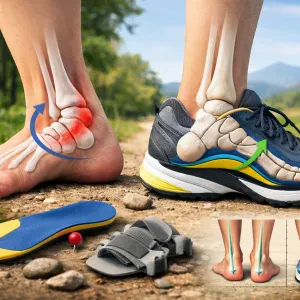
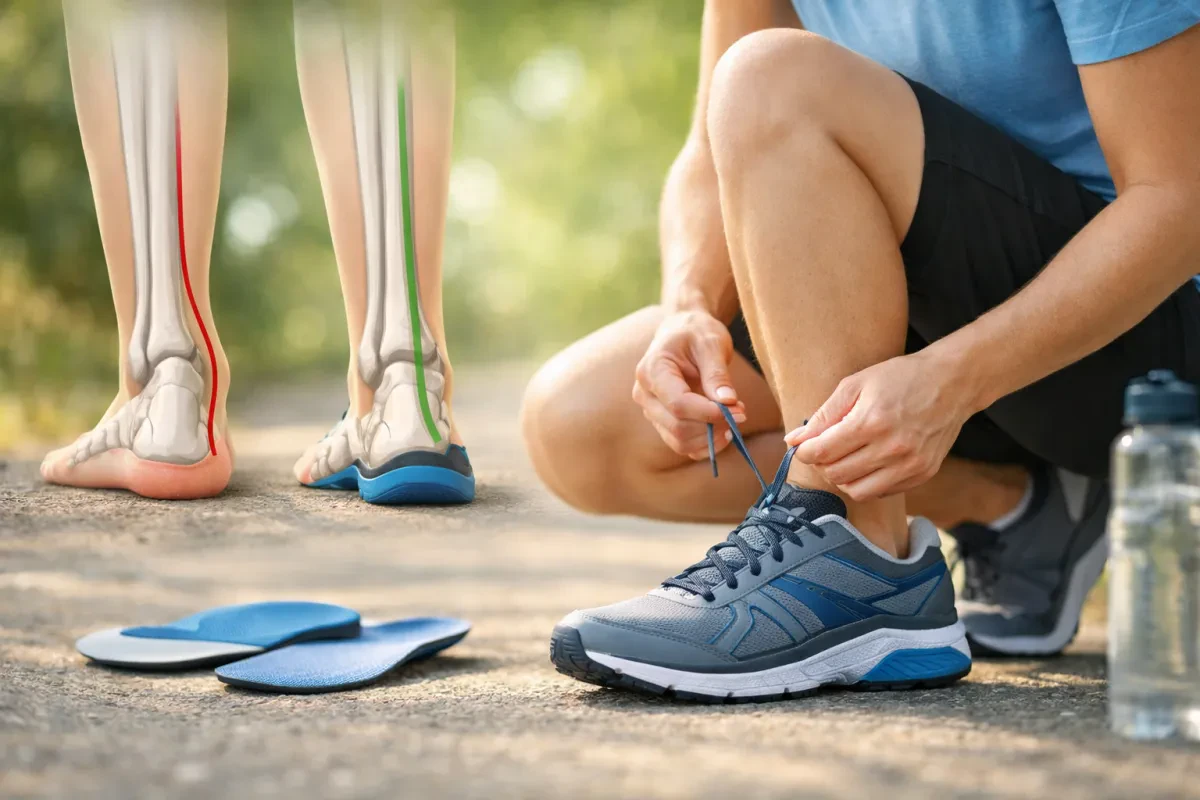
Flat feet means your arch sits lower. Some people have flat feet that never cause problems. Others get symptoms because the foot rolls inward too much when walking or standing. That inward roll is called overpronation. In simple terms, overpronation is when the ankle and arch collapse inward more than your body comfortably manages.
Common signs overpronation might be affecting you
- Arch fatigue or aching on longer days
- Heel pain or plantar fascia irritation that flares after walking
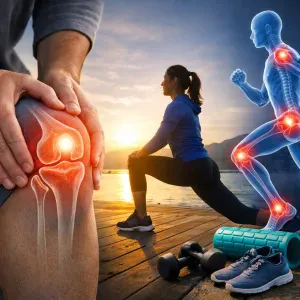
- Knee pain that feels worse after long stands or long walks
- Ankles that feel unstable in soft shoes
- Shoes wearing down more on the inner edge
Supportive shoes do not force your foot into a perfect position. They simply reduce extremes. The goal is steadier steps and less strain, not rigid correction.
Support features that actually help
When people shop for flat feet, they often focus only on arch support. Arch support matters, but stability is usually the bigger win. A stability shoe supports the foot by providing a more secure platform, guiding motion gently, and reducing the inward collapse that can create strain.
Support features that tend to help most
- Stable heel counter: Holds the rearfoot steady and reduces wobble.
- Guidance support: A firmer structure on the inner side that reduces excessive inward roll.
- Wider base: More ground contact creates a planted feel.
- Midfoot structure: Prevents the shoe from twisting too easily.
- Secure upper: Keeps the foot from sliding and reduces strain.
Support should feel calm, not harsh
The best stability shoe feels like it supports you quietly. If a shoe feels like it is pushing hard into your arch or forcing your foot, it may be too aggressive. Many people do best with moderate stability that supports tired arches without feeling rigid.
Stability vs motion control vs neutral
These labels can be confusing, so here is the simplest way to think about them. Neutral shoes are the least structured, stability shoes add guidance and a stable base, and motion control shoes are the most structured and restrictive. Your best option depends on how much inward roll you have and how your feet feel during long days.
Neutral shoes
Neutral shoes can work if your overpronation is mild or if you feel stable already. They can also work if you use orthotics that provide the support. If you feel unstable or get arch fatigue, neutral is often not enough.
Stability shoes
Stability shoes are the go-to choice for most flat feet and overpronation. They provide guidance without being overly rigid. Good stability feels supportive and smooth, not stiff.
Motion control shoes
Motion control is usually best for severe overpronation, heavier bodies that compress softer shoes quickly, or people who feel unstable even in stability shoes. They can feel firm and restrictive, so do not jump to motion control unless you truly need it.
How to choose in one minute
- If you feel stable and have mild symptoms, start with stable neutral or mild stability.
- If you have arch fatigue, heel pain, or knee discomfort linked to inward roll, choose stability.
- If stability still feels unstable or you collapse strongly inward, consider motion control.
Arch support, what to look for
Arch support should match your foot, not fight it. Many people with flat feet think they need the highest arch possible. In reality, a very aggressive arch can cause pressure and discomfort, especially if you are sensitive. The best arch support often feels gentle and supportive rather than sharp.
Signs arch support is helping
- Arch feels calmer and less tired after walking
- Heel feels more stable and less wobbly
- Knees and hips feel less stressed on long days
- Less toe gripping during standing and walking
Signs arch support is too aggressive
- Sharp pressure under the arch within minutes
- New pain that was not there before
- Numbness or tingling from pressure
- You avoid putting full weight on that foot
The best setup is often stability plus moderate arch support. That combo supports the whole foot rather than forcing one spot.
Best picks for men
These men’s pick categories focus on stable support without harshness, plus comfort features for long days. Use them to guide readers to your listings and let them compare widths, sizing, and current pricing. If you want to view a product on Amazon, click the Continue button next to the price.
Men’s pick 1: Everyday stability walking shoes for flat feet
- Best for: mild to moderate overpronation, daily walking, errands
- Brands to check: Brooks stability lines, ASICS stability lines, Mizuno stability lines
Men’s pick 2: Stability shoes with extra cushioning for hard floors
- Best for: long days on pavement, heavier impact sensitivity
- Brands to check: Brooks cushioned stability options, ASICS cushioned stability options
Men’s pick 3: Motion control options for stronger overpronation
- Best for: severe inward roll, instability even in regular stability shoes
- Brands to check: select support-heavy models in Brooks and ASICS ranges
Men’s pick 4: Wide fit and depth options for stable support
- Best for: wide feet, orthotics, swelling changes, sensitive feet
- Brands to check: Orthofeet
Men’s pick 5: Rocker-style stable comfort for stiffness overlap
- Best for: flat feet plus joint stiffness, smoother transitions
- Brands to check: HOKA stability-oriented rocker options
Best picks for women
Women often need secure heel hold plus roomy forefoot comfort, especially on longer days where small fit problems become big pain. Choose a stable base first, then tune cushioning and arch feel. If you want to view a product on Amazon, click the Continue button next to the price.
Women’s pick 1: Everyday stability walking shoes for flat feet
- Best for: mild to moderate overpronation, daily walking, travel
- Brands to check: Brooks stability lines, ASICS stability lines, Mizuno stability lines
Women’s pick 2: Cushioned stability options for longer days
- Best for: pavement walking, joint fatigue, standing and walking mix
- Brands to check: Brooks cushioned stability options, ASICS cushioned stability options
Women’s pick 3: Motion control options for stronger inward roll
- Best for: severe overpronation, feeling unstable in softer shoes
- Brands to check: select support-heavy models in Brooks and ASICS ranges
Women’s pick 4: Wide fit and depth options for stable comfort
- Best for: wider forefeet, swelling days, orthotics, sensitive feet
- Brands to check: Orthofeet
Women’s pick 5: Rocker style stable comfort for stiffness overlap
- Best for: flat feet plus stiffness, smoother transitions
- Brands to check: HOKA stability oriented rocker options
When to add insoles
Insoles can be useful if you need extra arch support, improved stability, or better load distribution. But they should be an upgrade to a good shoe base, not a bandage for a poor fit. The best approach is to choose a stable shoe first, then add insoles if you still need more support or comfort.
When insoles often help
- You feel arch fatigue even in a stability shoe
- Your shoes feel stable, but you want more arch contact
- You need support in multiple pairs of shoes
- You use orthotics and need a removable insole shoe
When insoles can cause problems
- If they make the shoe too tight and create pressure points
- If they lift your heel and cause heel slip
- If they are too aggressive and feel pokey under the arch
How to add insoles safely
- Use shoes with removable insoles so your insert sits flat.
- Re-check toe space and heel hold after inserting.
- Break in gradually over a few days rather than all at once.
FAQs
Do flat feet always need arch support?
No. Some flat feet are flexible and pain-free. Support matters most when you have symptoms like arch fatigue, heel pain, or knee discomfort linked to inward roll.
How do I know if I overpronate?
Common signs include inner-edge shoe wear, ankles rolling inward, and arch fatigue on long days. A gait assessment can confirm, but your comfort in shoes is also a practical clue.
Should I choose motion control shoes?
Only if you have strong overpronation or feel unstable even in stability shoes. Many people find motion control too firm and restrictive if they do not truly need it.
Can stability shoes help plantar fasciitis?
They can, especially if heel pain is linked to inward roll and arch strain. A stable heel and supportive platform can reduce plantar fascia stress for some people.
What if stability shoes feel too harsh?
Choose a milder stability shoe with a more cushioned feel, and avoid aggressive arch posts. Comfort should feel calm and supportive, not rigid.
Related guides: joint pain, plantar fasciitis, Brooks/ASICS
Flat feet and overpronation often overlap with joint pain and heel pain. These guides can help you narrow down based on your main trigger and preferred brand.
- Walking shoes for joint pain
- Plantar fasciitis and heel pain relief picks
- ASICS pain relief footwear picks
- Brooks pain relief footwear picks
- Flat feet and overpronation support picks
Best next step: start with the flat feet and overpronation listings page, then choose your support level: mild stability, fuller stability, or motion control if needed. Compare two to four options by how stable your heel feels and whether your arch feels supported without pressure. If you want to view a product on Amazon, click the Continue button next to the price.
Medical disclaimer: This content is for general information only and is not medical advice, diagnosis, or treatment. Shoes may improve comfort but they cannot treat the underlying cause of foot pain. If your pain is persistent, severe, or worsening, consult a qualified medical professional (such as a GP, podiatrist, or physiotherapist).