Best Shoes for Plantar Fasciitis: Heel Pain Relief Picks for Men and Women
A fit first guide to supportive cushioning, heel stability, and everyday comfort that helps reduce plantar fascia flare ups.
Note: Medical disclaimer at the bottom of this page, jump to disclaimer.
Signs plantar fasciitis is driving your heel pain
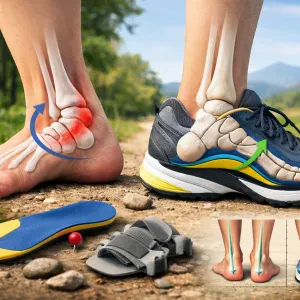
Heel pain can come from several causes, but plantar fasciitis is one of the most common, especially if you spend long hours on your feet, walk a lot on hard surfaces, or have recently changed activity levels. The plantar fascia is a thick band of tissue that runs along the bottom of your foot. When it becomes irritated, you may feel pain at the heel, into the arch, or both.
Common clues that point toward plantar fasciitis
- First steps pain: Pain is often worst with the first few steps in the morning or after sitting, then eases as you move.
- Heel and arch tenderness: The sore spot is typically near the inside part of the heel, sometimes spreading along the arch.
- Flare ups after activity: Symptoms may be quieter during movement, then spike later in the day or the next morning.
- Hard floors feel brutal: Walking barefoot on tile, wood, or concrete can feel sharply uncomfortable.
- Tight calf and Achilles: Many people notice stiffness through the calf, especially first thing.
When to be extra cautious
This guide focuses on footwear choices that can improve comfort, but it is still wise to get medical advice if pain is severe, sudden, linked to an injury, accompanied by swelling or bruising, or if you cannot put weight through the foot. Persistent pain also deserves a proper assessment, because other issues can mimic plantar fasciitis.
Once you have a reasonable idea that plantar fasciitis is the main driver, the next step is matching shoe features to what the plantar fascia needs: less impact, steadier support, and fewer triggers that keep the tissue irritated.
What features help most
When people shop for plantar fasciitis, they often focus only on arch support. Support matters, but it is not the whole picture. Many flare ups are driven by a combination of impact, poor heel stability, and a shoe that either collapses under load or forces your foot into a shape that does not match you. The goal is a supportive platform that feels stable and comfortable, not a hard arch bump that digs in.
1) Stable heel and rearfoot control
For plantar fasciitis, heel stability is a big deal. If the heel is sliding around or collapsing inward, the plantar fascia can be asked to do more stabilising work. Look for a firm heel counter, a reasonably structured rearfoot, and a sole that does not feel like it twists easily.
2) Cushioning that reduces impact without feeling wobbly
Soft cushioning can feel great, but if it is too squishy side to side, it can make your foot work harder to stabilise. The sweet spot is cushioning that softens heel strike while keeping you planted. Many people with plantar fasciitis do well with moderate to high cushioning, as long as the base is wide and stable.
3) Supportive midfoot with comfortable arch contact
Arch support should feel like gentle contact, not like a sharp lump. If you feel a specific pressure point under the arch, that can irritate the foot rather than help it. If you wear orthotics or prefer an insole, choose shoes with a removable insole and enough depth so your insert sits flat.
4) A supportive heel cup and a secure fit
A decent heel cup helps cradle the heel and can reduce that bruised feeling some people get when the heel takes repeated impact. Secure fit matters too. If your foot slides inside the shoe, you lose stability and you often end up gripping with the toes, which can pull on the plantar fascia.
5) Smooth heel to toe transition
Many plantar fasciitis sufferers feel better when the shoe rolls smoothly through each step rather than bending sharply. This can come from sole geometry, midsole shape, or a mild rocker. You do not need an aggressive rocker to benefit, a subtle one is often easier for daily wear.
Best shoe types for plantar fasciitis
There is no single perfect shoe type for plantar fasciitis, but some categories tend to work well because they combine cushioning, stability, and a supportive platform. Below are the most common “best bets,” plus how to choose within each category.
Supportive walking shoes
A purpose built walking shoe often has a stable platform, a supportive heel, and a smoother transition that suits long days. For plantar fasciitis, look for models that do not feel overly flexible in the midfoot. If you can twist the shoe like a towel, it is usually too flexible for irritated plantar fascia.
Stability trainers (stability sneakers)
Stability shoes can help if you overpronate, your ankles roll inward, or your arches fatigue quickly. Modern stability often relies on geometry and a broader base rather than harsh posts. That can be a comfortable match for plantar fasciitis, because it helps the foot land more predictably without feeling rigid.
Cushioned neutral shoes with a stable base
Some people do not need stability features, they simply need impact reduction plus a secure heel. In that case, a cushioned neutral shoe can work, but pay attention to the platform. A wider base and a secure heel counter are key. Plush can be fine, but avoid “unstable plush.”
Mild rocker sole shoes
Rocker soles can reduce how much the foot bends and can shorten the time the heel is heavily loaded in each step. Many people with heel pain and plantar fascia irritation find a mild rocker makes walking feel smoother. Start mild and build up. Very aggressive rockers can feel unstable for some.
Supportive clogs for standing all day
If your main challenge is standing on hard floors, a supportive clog style can work well for some people because it provides a firm platform and strong arch structure. The trade off is that clogs can feel less secure than lace ups, so they are not ideal if you walk fast, turn frequently, or need maximum heel lock. If you go this route, prioritise stable fit and steady traction.
What to avoid
It is just as helpful to know what tends to worsen plantar fasciitis. Many flare ups come from shoes that feel comfortable for a moment but increase strain over hours.
1) Completely flat, unsupportive footwear
Very flat shoes with minimal structure can increase strain through the plantar fascia, especially if you are walking on hard surfaces. Some people tolerate minimal shoes well, but if you are currently irritated, it is usually not the time to experiment with less support.
2) Overly flexible soles
If the shoe bends easily through the midfoot, your plantar fascia may have to do more work. A helpful quick test is to hold the shoe at both ends and try to twist it. Some flex at the forefoot is normal, but excessive twist and bend is often a red flag for plantar fasciitis comfort.
3) Super soft, unstable cushioning
Very soft foam can feel great, but if it makes you wobble, your foot works harder. For plantar fasciitis, stable cushioning is the goal. If you feel your ankle “searching” for balance, try a shoe with a wider base or more structured heel.
4) Narrow, tapered toe boxes that encourage toe gripping
If your toes feel cramped, you may subconsciously grip the ground to stabilise. That can increase tension along the bottom of the foot. Choose a toe box that lets you wiggle your toes comfortably.
5) Worn out midsoles
Even a great shoe can become a poor shoe once the midsole compresses and the support fades. If your pain returns in an old pair that used to feel good, it may be time to rotate or replace. As a practical rule, if the sole looks uneven, feels dead, or the shoe is tilting, your platform is no longer doing its job.
Top picks for men
Because this is an affiliate guide, your best “picks” are the options that match plantar fasciitis needs and are easy to compare on your site. Below are high intent pick categories built around the brands you feature. Use these as your men’s shortlist and then let readers compare sizes, widths, and current pricing on your product listings. If you want to view a product on Amazon, click the Continue button next to the price.
Men’s pick 1: Stable cushioned walking shoes for everyday heel pain relief
Look for stable cushioning, a secure heel counter, and a smooth transition. This is a strong default option for most plantar fasciitis walkers.
Men’s pick 2: Stability shoes for flat feet, inward rolling, or tired arches
If you overpronate or feel your ankles roll, stability can reduce the “extra work” your foot does each step.
- Best for: plantar fasciitis with overpronation, longer walks, uneven surfaces
- Brands to check: ASICS stability lines, Brooks stability lines, Mizuno stability lines
Men’s pick 3: Max cushioning with a stable base for hard floors
If your main trigger is standing or walking on concrete, a higher cushion shoe can reduce impact, as long as it stays stable.
- Best for: standing all day, heavier impact sensitivity, outdoor pavements
- Brands to check: HOKA max cushion options, Brooks cushioned options, ASICS cushioned options
Men’s pick 4: Mild rocker shoes for smoother heel to toe transitions
Some men find that a mild rocker reduces the “pull” feeling under the heel and arch by smoothing the step.
- Best for: stiffness, joint discomfort alongside plantar fasciitis, longer walks
- Brands to check: HOKA rocker style designs, select walking models from other brands
Men’s pick 5: Extra depth, wide fit, orthotic friendly comfort
If you want room, a secure fit, and an easy orthotic setup, a depth oriented comfort shoe can be a strong choice.
- Best for: wide feet, sensitive feet, orthotics, volume needs
- Brands to check: Orthofeet
Shortcut to your current product listings: Plantar Fasciitis Shoes and Heel Pain Relief Picks
Top picks for women
Women’s fit often needs a little extra attention, narrow heels, forefoot width, and instep volume can all affect heel pain comfort. The right category is the one that gives stable cushioning plus secure heel hold. If you want to view a product on Amazon, click the Continue button next to the price.
Women’s pick 1: Supportive walking shoes with stable cushioning
A great everyday option, especially if you want steady comfort without overthinking technical features.
- Best for: daily walking, errands, travel, light workouts
- Brands to check: ASICS, Brooks, HOKA, Mizuno
Women’s pick 2: Stability shoes for overpronation or arch fatigue
If your arches tire quickly or you feel you roll inward, stability can reduce strain and keep your steps more predictable.
- Best for: plantar fasciitis plus flat feet, longer walks, mixed surfaces
- Brands to check: Brooks stability lines, ASICS stability lines, Mizuno stability lines
Women’s pick 3: Higher cushioning for hard floors and sensitive heels
If impact is the main trigger, cushioning can help, but check for a stable platform and a secure heel.
- Best for: standing all day, heel tenderness, pavement walking
- Brands to check: HOKA cushioned rocker styles, Brooks cushioned options, ASICS cushioned options
Women’s pick 4: Mild rocker options for smoother steps
A mild rocker can feel more “flowing,” reducing sharp loading at the heel for some people.
- Best for: stiffness, joint discomfort, longer steady walks
- Brands to check: HOKA rocker focused designs, select walking models
Women’s pick 5: Depth, wide fit, and gentle interior comfort
If you need extra room, a calmer interior feel, or a reliable orthotic setup, depth oriented shoes are worth prioritising.
- Best for: wide fit needs, sensitive feet, orthotics, swelling changes
- Brands to check: Orthofeet
Shortcut to your current product listings: Plantar Fasciitis Shoes and Heel Pain Relief Picks
Fit tips and lacing tricks
Fit is the foundation of plantar fasciitis comfort. A great shoe in the wrong size can still leave you sore, while a “pretty good” shoe in the right fit can feel surprisingly helpful. Use these practical checks to improve your odds.
Quick fit checklist
- Toe space: About a thumb width in front of the longest toe while standing.
- Heel hold: Your heel should feel secure with minimal slip.
- Midfoot comfort: No sharp pressure under the arch, no pinching across the top of the foot.
- Walk test: Walk for several minutes, turn, and take a few faster steps. Comfort should remain consistent.
Try shoes later in the day
Feet often swell slightly by afternoon. If you only try shoes early morning, you can accidentally choose a fit that becomes tight later, which can change gait and increase strain.
Heel lock lacing to reduce heel slip
If your heel lifts, your foot may overwork to stabilise, which can irritate the plantar fascia. Heel lock lacing can improve rearfoot security without tightening the entire shoe.
Reduce pressure across the top of the foot
If you have a high instep or feel pressure on the top of the foot, try loosening the middle section of laces slightly while keeping the heel area snug. You can also skip an eyelet over the sore spot, which spreads pressure more evenly.
Rotate shoes during the week
Two good pairs rotated can be better than one great pair worn every day. Rotating changes pressure patterns, gives foam time to rebound, and can reduce repetitive strain.
FAQs
Do I need special plantar fasciitis shoes, or will normal trainers work?
Many people do well in regular walking shoes or trainers if they have stable cushioning, a secure heel, and comfortable arch contact. “Plantar fasciitis shoes” is usually marketing language for those features, not a separate category. Focus on fit and stability first.
Is more arch support always better for plantar fasciitis?
No. Support should feel like broad contact, not a hard bump. Too much arch pressure can create a new sore spot. If you feel a sharp pressure point, try a different shape, a different width, or a more neutral insole setup.
Are rocker sole shoes good for plantar fasciitis?
They can be. A mild rocker can smooth the step and reduce sharp loading. The key is stability. If a rocker makes you feel unsteady, choose a milder rocker or a supportive walking shoe with a smoother transition rather than a dramatic curve.
What about barefoot walking around the house?
If barefoot walking triggers pain, consider using supportive house shoes or sandals that provide a stable platform. Many people flare up because they are supportive outside but barefoot on hard floors indoors.
Should I size up for plantar fasciitis?
Not automatically. If you size up to gain width, you may end up with too much length, which can increase sliding and toe gripping. It is usually better to choose the correct length and then select a wider fit or a roomier toe shape if needed.
How fast should I switch into a new shoe?
Gradually. Wear the new pair for shorter periods for the first week and rotate with your current pair. Sudden changes in drop, stiffness, or rocker can irritate the calf, Achilles, and plantar fascia.
Related guides: heel spurs, flat feet, walking shoes
Plantar fasciitis often overlaps with other comfort needs. If your symptoms include different pain patterns or you want a more targeted shortlist, these guides can help you narrow down faster.
- Heel pain and heel spurs
- Flat feet and overpronation support picks
- Walking shoes for joint pain
- Standing all day work shoes
If you want the quickest route to shopping, start with your plantar fasciitis listings page, pick a category that matches your main need (stable cushioning, stability support, rocker transition, or wide and orthotic friendly), then compare two to four options by fit and comfort.
Medical disclaimer: This content is for general information only and is not medical advice, diagnosis, or treatment. Shoes may improve comfort but they cannot treat the underlying cause of foot pain. If your pain is persistent, severe, or worsening, consult a qualified medical professional (such as a GP, podiatrist, or physiotherapist).