Note: Medical disclaimer at the bottom of this page, jump to disclaimer.
Wide fit myths (why sizing up fails)
The most common wide fit mistake is sizing up in length to get more space. It can feel better for a moment, but it usually creates new problems. When your shoe is too long, your heel sits in the wrong spot, your foot slides, and your toes grip to stabilise. That extra movement increases friction and can make pain worse.
What sizing up often causes
- Heel slip: The heel moves up and down, increasing rubbing and blisters.
- Toe gripping: Toes claw down to hold you steady, increasing forefoot pressure.
- Less stability: Your foot is not centred, so the shoe feels less planted.
- Worse knee and hip mechanics: Sliding changes your stride and adds stress.
The better approach is simple: keep the correct length, then choose a wide width, extra wide width, or a shoe with more volume and toe box space.
Width vs volume vs toe box space
Wide fit is not one thing. A shoe can be wide in the forefoot but shallow on top. It can be roomy in volume but still taper at the toes. Understanding the difference helps you find comfort faster.
Width
Width is the side-to-side measurement across the shoe. For many brands, wide widths are labelled like 2E for men and D for women, with extra wide often labelled 4E for men and 2E for women. Labels vary by brand, but the idea is consistent: more side-to-side room.
Volume
Volume is the “height” and overall internal space, especially over the top of the foot and around the forefoot. Some people have higher insteps and need more volume even if width is not extreme.
Toe box space
Toe box shape matters as much as width. A shoe can be wide but still taper at the front, squeezing toes together. A deep toe box adds vertical room, and a rounder toe shape adds horizontal room where your toes actually sit.
Best wide shoes for heel pain
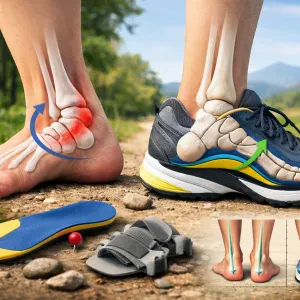
Heel pain relief is usually about stable cushioning and supportive heel structure. In wide fit shoes, heel comfort improves when the heel still feels secure. You want toe room without loose heel slip. If you want to view a product on Amazon, click the Continue button next to the price.
Best wide fit categories for heel pain
- Stable cushioned walking shoes in wide widths: Best everyday choice for many people.
- Higher cushioning with stable base in wide widths: Helpful for hard floors and sensitive heels.
- Stability support wide widths: Useful if overpronation aggravates heel pain.
- Depth and orthotic-friendly wide shoes: Helpful if you use inserts or need more volume.
Start here: Plantar fasciitis and heel pain relief picks
Best wide shoes for bunions
Bunion comfort is usually about toe box shape and soft uppers, not just width. A wide width helps, but a roomy toe shape is the bigger win. Look for rounder toe boxes, deep toe boxes, and uppers that do not rub at the big toe joint. If you want to view a product on Amazon, click the Continue button next to the price.
Best wide fit categories for bunions
- Wide fit shoes with roomy toe shape: Best for daily bunion comfort.
- Soft upper trainers with wide toe box: Best if rubbing is the main trigger.
- Extra wide and depth options: Best if swelling or orthotics are involved.
- Stable base walking shoes: Helps reduce toe gripping and fatigue.
Start here: Bunions and wide fit shoes
Best wide shoes for neuropathy
Wide fit matters for neuropathy because compression can increase discomfort. Many people benefit from a roomy toe box, smooth interior lining, and stable cushioning. Depth can be especially helpful if you use inserts or your feet swell later in the day. If you want to view a product on Amazon, click the Continue button next to the price.
Best wide fit categories for neuropathy comfort
- Depth and seam-reduced wide shoes: Strong all-round choice for sensitive feet.
- Stable cushioned walking shoes in wide widths: Good daily option for confidence.
- Higher cushioning with stable base in wide widths: Helpful on hard floors if stable.
- Easy-entry supportive options in wide widths: Useful if bending is difficult, but keep heel hold secure.
Start here: Neuropathy shoes and sensitive feet comfort picks
Best wide shoes for arthritis
Arthritis comfort often depends on room for swelling, smoother steps, and less impact. Wide fit and depth can help on flare days. Rocker soles can reduce toe joint bending, and stable cushioning can reduce harsh impact. If you want to view a product on Amazon, click the Continue button next to the price.
Best wide fit categories for arthritis comfort
- Rocker sole shoes in wide widths: Helpful for toe stiffness and smoother roll-through.
- Stable cushioned walking shoes in wide widths: Strong everyday choice for joint comfort.
- Higher cushioning with stable base in wide widths: Helpful for hard floors and longer days.
- Depth and orthotic-friendly wide shoes: Helpful for swelling and inserts.
Start here: Arthritis-friendly shoes and rocker support picks
How to measure feet at home
Measuring at home helps you choose correct length and width before you shop. Do it later in the day when your feet are slightly fuller, and measure both feet because one foot is often a little larger.
Simple measurement steps
- Place a sheet of paper on a hard floor against a wall.
- Stand on the paper with your heel gently touching the wall.
- Mark the longest toe and the widest part of the forefoot.
- Measure heel to longest toe for length.
- Measure across the widest part for width.
- Repeat for the other foot and use the larger result.
Fit tip that prevents mistakes
Do not buy longer shoes to fix width. Choose correct length, then select wide, extra wide, or a roomier toe box shape. If you use orthotics, choose depth shoes with removable insoles so the fit stays comfortable.
FAQs
What is the difference between wide and extra wide?
Wide gives more side-to-side space. Extra wide gives even more. Labels vary by brand, but common terms include 2E and 4E in men’s widths and wide options in women’s ranges. Toe box shape and volume still matter, so always judge by comfort, not just the label.
Is a wide shoe the same as a wide toe box?
No. A shoe can be wide overall but still taper at the front. A wide toe box is about shape at the toes, which can matter more for bunions and toe crowding.
Why do my wide shoes still feel tight on top?
You may need more volume or more depth, not just width. Look for shoes described as deep, orthotic-friendly, or high volume, especially if you have a higher instep.
Can wide shoes help plantar fasciitis?
They can if they improve comfort and stop compression, but heel pain usually needs stable cushioning and supportive structure too. Wide fit helps the shoe fit correctly, then support and cushioning handle the pain triggers.
How should wide shoes feel when fitted correctly?
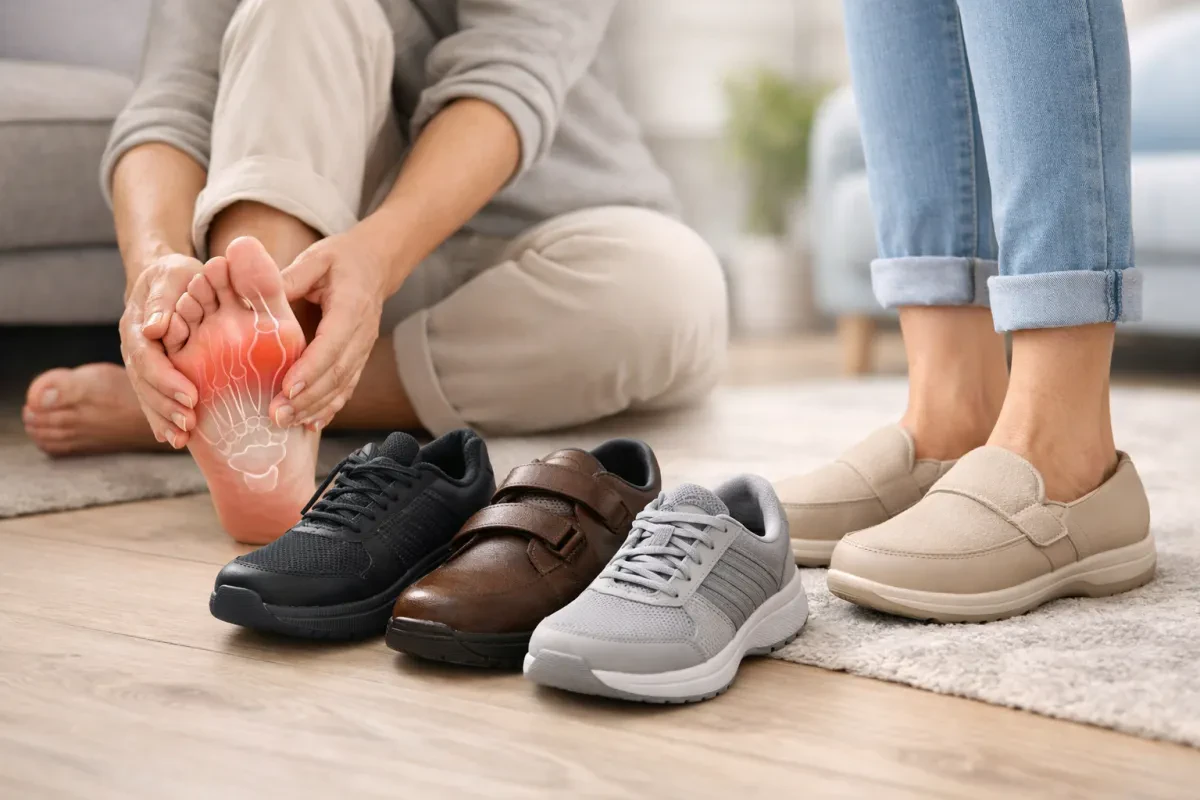
You should have toe wiggle room, no side pressure, no rubbing at bunions, and a secure heel that does not slide. Comfort should feel calm rather than loose.
Related guides: men, women, bunions
Use these related guides to narrow down wide fit choices based on your main pain trigger and whether you are shopping men’s or women’s ranges.
- Men’s shoes
- Women’s shoes
- Bunions and wide fit shoes
- Neuropathy shoes and sensitive feet comfort picks
- Arthritis-friendly shoes and rocker support picks
Best next step: choose the wide fit category that matches your main trigger, then compare two to four options by toe box shape, heel security, and overall volume. If you want to view a product on Amazon, click the Continue button next to the price.
Medical disclaimer: This content is for general information only and is not medical advice, diagnosis, or treatment. Shoes may improve comfort but they cannot treat the underlying cause of foot pain. If your pain is persistent, severe, or worsening, consult a qualified medical professional (such as a GP, podiatrist, or physiotherapist).