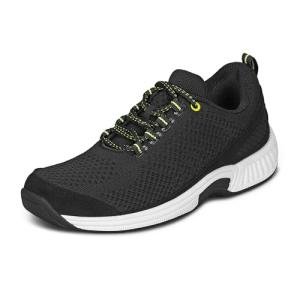
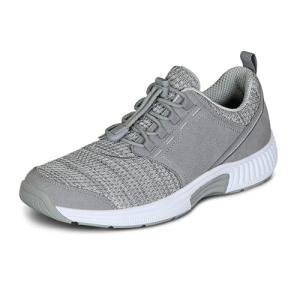
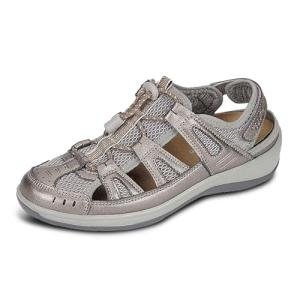
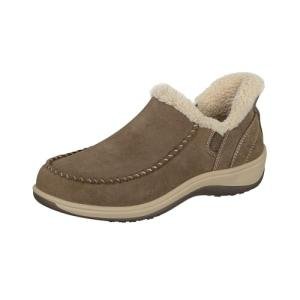
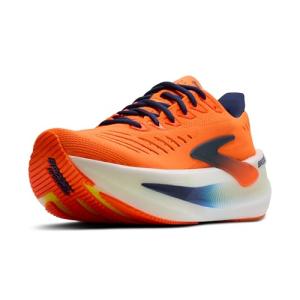
Top picks at a glance (from this page’s product grid)
These are reliable “starting points” for common plantar fasciitis patterns. Click a pick to view price options on Stepwise Footwear.
Men’s picks
Women’s picks
If you stand all day (work-friendly options from this grid)
Index
What plantar fasciitis is
The plantar fascia is a strong band of tissue running from your heel to your toes. When it’s overloaded (often from long standing, sudden training increases, tight calves, unsupportive shoes, or foot mechanics), it can become painful—typically at the inside-front of the heel.
What to look for in plantar fasciitis shoes
- Heel cushioning: reduces impact where pain is often strongest.
- Supportive arch: helps reduce strain through the plantar fascia (supportive should not feel sharp or “pokey”).
- Stable heel counter: holds the rearfoot steady and reduces wobble.
- Smooth transition: rocker-like geometry or a stable forefoot can reduce bending stress through toe-off.
- Roomy toe box: helps natural toe splay and reduces compensation patterns.
- Removable insole: useful if you wear orthotics or want to upgrade inserts.
Common mistakes to avoid
- Very flat, thin soles (little shock absorption).
- Worn-out midsoles (cushioning collapses over time).
- Soft, unstable heels that allow excessive rolling.
- Sizing too small (forces gait changes and increases strain).
Fit checklist
- Thumb-width space in front of the longest toe.
- Heel feels locked-in (minimal slip).
- Arch support feels supportive, not painful.
- Walk test: heel strike feels softer and your step rolls forward smoothly.
- End-of-day try-on: feet swell; fit should still feel comfortable.
FAQs
1) Are running shoes good for plantar fasciitis?
Often, yes. Cushioned running shoes with stable heels and supportive midsoles can reduce impact and strain during walking and standing.
2) Should I choose stability or neutral shoes?
If you overpronate or feel your ankles roll inward, stability shoes are often a better first try. If you’re neutral and want softness, a cushioned neutral shoe may be enough.
3) Do rocker-style soles help?
They can. A smoother roll-through can reduce how much the foot has to bend during toe-off, which may feel better for some people.
4) Is more cushioning always better?
Not always. Some people do best with balanced cushioning plus structure. Very soft shoes can feel unstable for certain feet.
5) Are wide-fit options important?
If you get toe numbness, pinching, or pressure at the forefoot, a roomy toe box and wide fit can reduce compensation patterns that aggravate heel pain.
6) Do I need orthotics?
Not everyone. Many people improve with supportive footwear alone. If pain persists, a clinician may recommend inserts or orthotics.
7) What about slippers or house shoes?
Support matters indoors too. If first steps are painful, consider supportive indoor footwear instead of flat slippers.
8) When should I see a clinician?
If pain is severe, lasts more than a few weeks, worsens, or includes numbness/swelling, seek professional evaluation.
heel pain, arch support, max cushion, stability shoes, wide fit, orthotic friendly, standing all day, walking shoes, rocker sole, pain relief footwear
Back to top picks