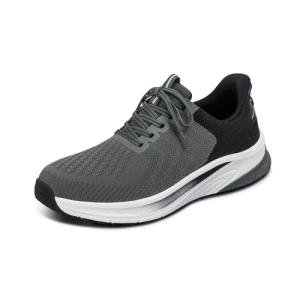
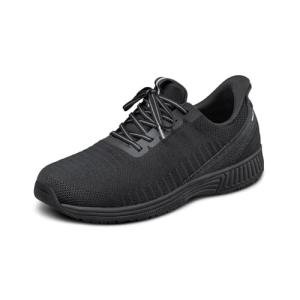
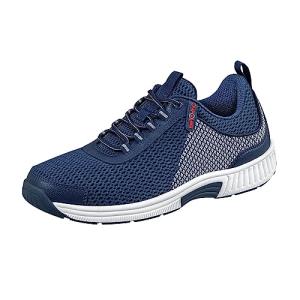
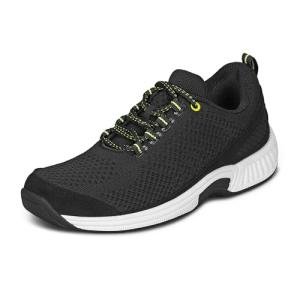
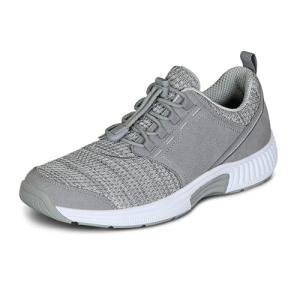
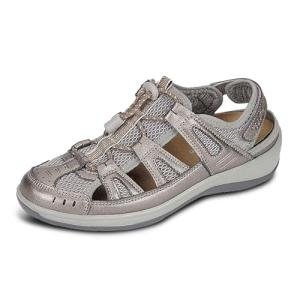
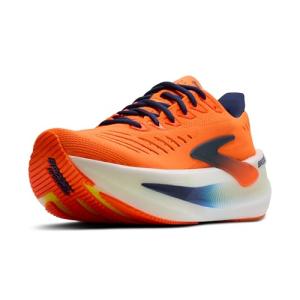
Top picks at a glance (from this category’s product grid)
These are reliable starting points for joint-friendly walking. Click a pick to compare prices from retailers on Stepwise Footwear.
Men’s picks
Women’s picks
If you want “standing-friendly” structured options (still from this grid)
Index
What “joint pain” means for walking
When joints are irritated or sensitive, repeated impact and poor alignment can make symptoms worse. Joint-friendly walking shoes usually do three things well: absorb shock, stabilise your stride, and help you roll forward smoothly so each step feels less “harsh.”
What to look for in walking shoes for joint pain
- Shock-absorbing cushioning: helps reduce repetitive impact into knees, hips, and back.
- Stable platform: a broad base reduces wobble and improves confidence.
- Secure heel counter: helps keep the rearfoot controlled to reduce strain.
- Smooth transitions: helps reduce “slam” loading and makes walking feel easier.
- Supportive midfoot structure: helps distribute pressure and reduce fatigue.
- Roomy fit options: comfort improves when feet are not squeezed (especially with swelling).
- Removable insole: useful if you wear orthotics or supportive inserts.
Common mistakes to avoid
- Very hard soles that transmit impact directly into joints.
- Overly soft shoes that feel unstable and increase wobble fatigue.
- Worn-out cushioning (midsoles often collapse before outsoles look worn).
- Narrow fits that force compensation and add stress up the chain.
Fit checklist
- Soft heel strike: impact feels reduced without feeling unstable.
- Stable walk test: you feel steady, not wobbly.
- Secure heel: minimal slip for control and lower friction.
- Toe box room: toes can wiggle freely; swelling still feels comfortable.
- Longer walk test: try 5–10 minutes and re-check for hotspots.
Recommended walking shoes for joint pain
Use the product grid on this category page to compare prices and availability across retailers. If you want the simplest approach:
- Start cushioned + stable: a balanced shoe often feels best for knees/hips.
- If you feel wobbly: move toward more structured support.
- If you get toe pressure: choose a roomier fit/upper.
- If your joints feel “beaten up” after walks: prioritise shock absorption first.
Tip: For joint pain, “soft” is not always “better.” Aim for cushioning plus stability. If your shoes feel wobbly, joints often work harder to stabilise you—raising fatigue and discomfort.
FAQs
1) Are cushioned shoes best for joint pain?
Often yes, but cushioning should be paired with stability. Extremely soft shoes can feel wobbly and increase fatigue.
2) Do smooth rocker-like transitions help joint pain?
They can. Smoother transitions can reduce harsh loading and make walking feel easier.
3) What matters most for knee pain when walking?
Shock absorption plus stable alignment. Shoes that reduce impact and wobble often feel better over distance.
4) What matters most for hip or back discomfort?
Balanced cushioning, stable geometry, and comfortable transitions can reduce repetitive stress.
5) Are stability shoes better than neutral shoes?
If you overpronate or feel unstable, stability can help. If your gait is stable, a cushioned neutral option may work well.
6) Should I choose wide fit for joint pain?
If you get swelling, toe numbness, or forefoot pressure, wide fit can reduce compensation patterns that stress joints.
7) Do orthotics help joint pain?
They can, especially if you need extra arch support or alignment control. Look for shoes with removable insoles.
8) How long should walking shoes last?
Replace when cushioning feels flat, stability feels reduced, or symptoms increase—midsole wear often shows up before tread looks worn.
9) Should I avoid minimalist shoes for joint pain?
Many people do better with more cushioning/support on hard surfaces. Minimalist footwear can increase loading for some.
10) When should I get joint pain checked?
If pain is persistent, worsening, or limiting daily activity, consult a clinician for assessment and guidance.
Back to top picks