Note: Medical disclaimer at the bottom of this page, jump to disclaimer.
Why standing all day causes foot pain
Standing for hours sounds simple, but it is one of the most demanding things you can ask of your feet and lower body. When you stand, your muscles work constantly at a low level to keep you balanced. Unlike walking, there is less natural “offloading” as your weight shifts. The result is steady pressure through the heel, arch, and forefoot, plus fatigue in the calves and ankles. Over time, that combination can trigger soreness, hot spots, and flare ups of existing conditions.
What standing all day does to your feet
- Increases heel and forefoot pressure: Hard floors provide little natural shock absorption.
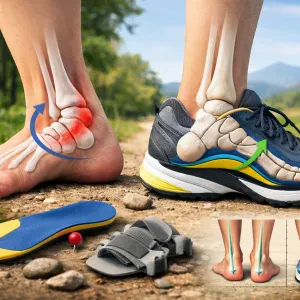
- Creates arch fatigue: The plantar fascia and foot muscles can feel “stretched out” by the end of the day.
- Raises swelling risk: Feet often swell later in the day, especially in warm workplaces or long shifts.
- Magnifies small fit problems: A tiny pinch at 9am can become a painful hot spot by 2pm.
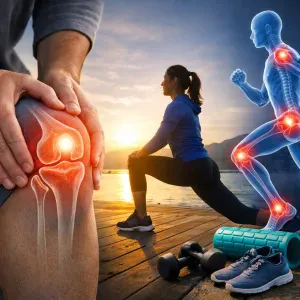
- Can affect knees and hips: If footwear is unstable or worn out, joints often take the hit.
The good news is that work shoe comfort is usually very fixable. Most improvement comes from three things: cushioning that lasts, stable support, and fit that allows for swelling without letting the foot slide around.
Cushioning that does not collapse by lunch
For standing all day, cushioning is not just about softness. It is about durability, stability, and consistency. Many shoes feel comfortable in the first hour and then start to feel flat or harsh once the midsole compresses. That is when fatigue and heel pain often ramp up.
What lasting cushioning feels like
- Comfort stays steady: You do not feel a sudden drop in comfort after a few hours.
- Impact is reduced: Heel strike feels less harsh when you walk and turn.
- You stay stable: Cushioning does not feel like it collapses to one side.
Moderate cushion vs max cushion for work
Moderate cushioning is a strong choice for many workplaces because it is often more stable. Max cushion can be excellent for very hard floors or sensitive heels, but it must be paired with a wide, stable base and good heel support. If you feel wobbly, choose a slightly firmer feel rather than chasing softness.
Practical tip: rotate work shoes
If you work many days in a row, rotating between two pairs can improve comfort and midsole life. Foam rebounds better when it has time to recover. Many people find they feel less sore when they alternate pairs, even if both pairs are good.
Support and stability for long shifts
Support is what keeps cushioning useful. Without stability, your feet work harder to stay balanced, and that effort can feel like arch fatigue, heel strain, or ankle soreness. A stable work shoe helps your steps feel predictable, especially when you turn, carry items, or move quickly.
Key support features to look for
- Supportive heel counter: The back of the shoe holds its shape and keeps the heel steady.
- Stable base: A wider outsole and supportive midsole geometry helps you feel planted.
- Not too flexible in the midfoot: Some forefoot flex is fine, but excessive bend can increase arch fatigue.
- Secure upper: The upper holds the midfoot comfortably so the foot does not slide.
Stability vs motion control for work
Most workers do well with mild to moderate stability. Motion control is more structured and can help if you strongly overpronate or feel very unstable in softer shoes, but it can feel rigid if you do not need it. The goal is stability that feels supportive, not restrictive.
What if you use orthotics?
Choose shoes with a removable insole and enough depth. The shoe should act like a stable chassis. If your orthotic lifts the foot too high and causes heel slip, look for a deeper heel cup or a shoe with a more secure collar.
Slip resistance and workplace safety notes
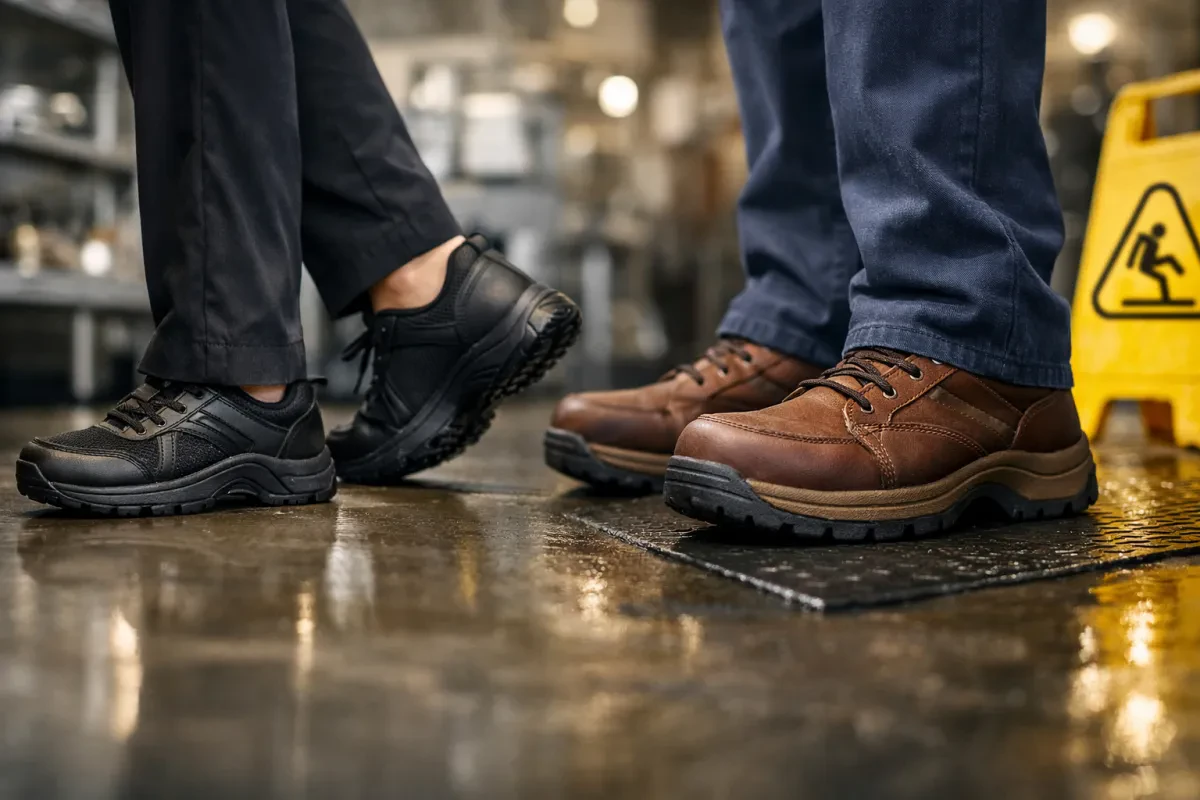
Comfort matters, but safety comes first. Slip resistance is not one single feature. It comes from outsole rubber, tread pattern, and how the shoe interacts with the specific surfaces you work on. Kitchens, hospitals, warehouses, and retail floors all have different hazards.
General slip resistance tips
- Match the outsole to your environment: Wet and oily floors need different traction than dry retail floors.
- Look for wider contact: A stable, wider outsole can improve grip and confidence.
- Replace worn out outsoles: Once tread is smoothed off, slip risk increases.
- Clean matters: Even good slip resistant shoes can fail if the outsole is clogged with grease or debris.
Workplace policy note
Some employers require specific certifications or “slip resistant” labelling. Always check your workplace rules before buying. If you need a particular compliance standard, treat that as a non negotiable filter, then choose the most supportive and cushioned option within that group.
Best picks for men
Here are men’s pick categories designed for long shifts. These are structured as “best fit categories” rather than single model claims, because the right choice depends on your workplace and your foot needs. If you want to view a product on Amazon, click the Continue button next to the price.
Men’s pick 1: Stable cushioned work trainers for hard floors
Men’s pick 2: Max cushioning work shoes with a stable base
- Best for: concrete floors, sensitive heels, long distance walking during shifts
- Brands to check: HOKA, Brooks, ASICS
Men’s pick 3: Stability support for overpronation and arch fatigue
- Best for: flat feet, inward rolling, tired arches by mid shift
- Brands to check: Brooks stability lines, ASICS stability lines, Mizuno stability lines
Men’s pick 4: Professional clogs for steady support
- Best for: standing heavy roles where walking speed is lower
- Brands to check: Dansko
Men’s pick 5: Wide fit, depth, and orthotic friendly comfort
- Best for: wide feet, swelling changes, orthotics, sensitive feet
- Brands to check: Orthofeet
Shortcut: Work shoes for standing all day
Best picks for women
Women often need extra focus on heel hold and forefoot comfort. Narrow heels and wider forefeet are common, and swelling later in the day can turn a “fine” fit into a problem. Prioritise secure heel hold first, then cushioning level. If you want to view a product on Amazon, click the Continue button next to the price.
Women’s pick 1: Supportive cushioned work trainers for all day comfort
Women’s pick 2: Higher cushioning with stable support for hard floors
Women’s pick 3: Stability support for overpronation and arch fatigue
- Best for: flat feet, inward rolling, tired arches
- Brands to check: Brooks stability lines, ASICS stability lines, Mizuno stability lines
Women’s pick 4: Professional clogs for steady support and firm arch structure
- Best for: standing heavy roles, nursing, clinic work
- Brands to check: Dansko
Women’s pick 5: Wide fit, depth, and gentle interior comfort
- Best for: swelling changes, bunions, orthotics, sensitive feet
- Brands to check: Orthofeet
Shortcut: Work shoes for standing all day
Wide fit and swelling tips
If your feet swell during a shift, your shoe choice needs to account for it. Swelling is normal for many workers, but when shoes get tight, you can get hot spots, numbness, and rubbing that makes the rest of the day miserable. Wide fit is not just about comfort, it is about keeping your gait smooth when your feet change shape.
- Do not size up for width: It often creates too much length and more heel slip. Choose the right length, then choose the width you need.
- Prioritise toe box shape: A rounder, roomier shape can help even in standard widths.
- Check instep volume: Some feet need more height, not just more width.
- Try shoes later in the day: That is when your fit needs are most realistic.
Sock strategies
Socks are an underrated tool. A cushioned work sock can reduce friction and pressure. Some people find gentle compression socks help swelling. The goal is comfort and circulation, not squeezing your foot into a tighter fit.
Fit test for swelling
When trying shoes, make sure your toes can wiggle and the shoe does not press over the top of the foot. If the shoe feels “perfect snug” in the morning, it may feel tight later. Aim for secure, but not cramped.
FAQs
Are running shoes good for standing all day?
Some are. Many running shoes are built for forward motion and can be excellent if they have stable cushioning and secure heel hold. Very soft, unstable shoes can feel tiring for standing. Walking shoes or stable trainers often work better for long shifts.
Do I need slip resistant shoes?
If your workplace has wet floors, oils, or safety requirements, slip resistance is important. Check workplace policies and match outsole traction to your environment.
How many pairs should I rotate?
Two pairs is a great start. Rotation can reduce fatigue and extend shoe life because midsoles have time to rebound.
How do I know when to replace work shoes?
If cushioning feels flat, tread is worn, or you feel more pain in shoes that used to feel fine, replacement is worth considering. Many people notice comfort drops before the shoe looks destroyed.
What if my heel hurts but my work shoes are required?
Start with the best supportive option within your workplace rules, then improve comfort with fit adjustments and, if appropriate, insoles. If pain persists, seek medical advice.
Related guides: bunions, joint pain, slip-ons
Standing all day often overlaps with other foot comfort needs. These guides can help you narrow down based on your most common pain trigger.
- Bunions and wide fit shoes
- Walking shoes for joint pain
- Arthritis-friendly shoes and rocker support picks
- Work shoes for standing all day
Best next step: pick the category that matches your shift reality (hard floors, lots of walking, swelling, or overpronation) and compare two to four options by heel hold, stable cushioning, and how the shoe feels after a few minutes of normal pace walking. If you want to view a product on Amazon, click the Continue button next to the price.
Medical disclaimer: This content is for general information only and is not medical advice, diagnosis, or treatment. Shoes may improve comfort but they cannot treat the underlying cause of foot pain. If your pain is persistent, severe, or worsening, consult a qualified medical professional (such as a GP, podiatrist, or physiotherapist).