Note: Medical disclaimer at the bottom of this page, jump to disclaimer.
Why ASICS works well for comfort seekers
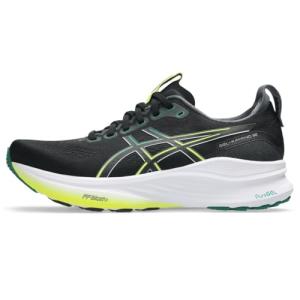
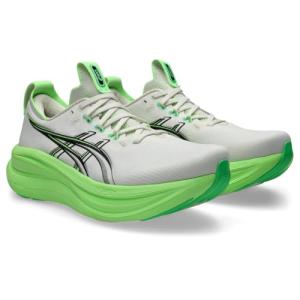
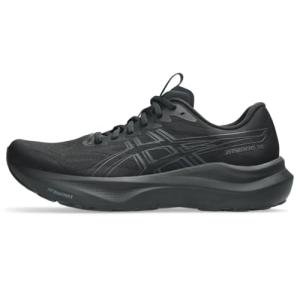
ASICS has a long reputation for comfort because many of its shoes combine impact protection with a stable feel. People often describe ASICS as “protective” rather than squishy. That matters for foot pain, because very soft shoes can sometimes feel unstable or tiring. With ASICS, you often get cushioning that absorbs shock while still feeling predictable underfoot.
Comfort traits many ASICS fans like
- Impact protection: Cushioning that reduces the harshness of hard floors.
- Stable platforms: Many models feel planted and supportive.
- Options for support needs: Neutral and stability categories for different gait patterns.
- Fit variety: Many ranges offer multiple widths.
For pain relief, think in categories rather than chasing one exact model. A stable cushioned ASICS may be perfect for heel pain, while a stability-focused ASICS may be a better match for overpronation and arch fatigue.
Best ASICS for plantar fasciitis
Plantar fasciitis comfort usually improves with stable cushioning, supportive heel structure, and a platform that reduces strain through the arch. If you overpronate, stability can be especially helpful because it reduces inward roll that can aggravate the plantar fascia. If you want to view a product on Amazon, click the Continue button next to the price.
ASICS pick categories for plantar fasciitis
- Stable cushioned walking or running trainers: Great everyday option for many people.
- Cushioned stability trainers: Best if you have arch fatigue or inward roll.
- Wider base options: Helpful if you want extra confidence underfoot.
- Wide fit options: Helps if compression triggers discomfort.
Start here: Plantar fasciitis and heel pain relief picks
ASICS range shortcut: ASICS pain relief footwear picks
Best ASICS for heel pain
Heel pain often responds to shock absorption plus a secure, supportive heel. In ASICS terms, look for models that feel protective under the heel without wobble. A stable heel counter and a planted base often make a bigger difference than “maximum softness.” If you want to view a product on Amazon, click the Continue button next to the price.
ASICS pick categories for heel pain
- Cushioned neutral trainers with stable base: Good for many people who want softer landings.
- Cushioned stability trainers: Helpful if your heel pain overlaps with overpronation.
- Walking-friendly cushioning: Good for daily wear and travel.
- Wide fit options: Helpful if tight shoes increase discomfort.
Start here: Heel pain relief picks
ASICS range shortcut: ASICS pain relief footwear picks
Best ASICS for flat feet and overpronation
Flat feet and overpronation usually benefit from stability support and a platform that resists excessive inward roll. ASICS stability categories are a strong option if your arches fatigue, your knees feel stressed, or you feel wobbly in soft shoes. Aim for support that feels calm, not harsh. If you want to view a product on Amazon, click the Continue button next to the price.
ASICS pick categories for overpronation
- Everyday stability trainers: Best first choice for mild to moderate overpronation.
- Cushioned stability trainers: Best if you also need impact protection.
- Support-heavy options: Useful if you have stronger inward roll and feel unstable.
- Wide fit stability options: Helps if you need more forefoot space.
Start here: Flat feet and overpronation support picks
ASICS range shortcut: ASICS pain relief footwear picks
Best ASICS for joint pain walking
Joint pain walking often responds to stable cushioning and a smooth transition that reduces abrupt loading. ASICS can be a good match because many models feel protective and consistent over longer walks. Look for a stable base, comfortable cushioning, and a ride that feels smooth rather than floppy. If you want to view a product on Amazon, click the Continue button next to the price.
ASICS pick categories for joint pain walking
- Cushioned neutral trainers with stable geometry: Good for shock absorption on longer walks.
- Cushioned stability trainers: Best if overpronation overlaps with joint pain.
- Smooth transition walking shoes: Helpful for daily routes and travel.
- Wide fit options: Helpful if toe crowding changes your stride.
Start here: Walking shoes for joint pain
ASICS range shortcut: ASICS pain relief footwear picks
Best ASICS for standing all day
Standing all day is different from running. You need cushioning that does not collapse, stable support that keeps you planted, and enough grip for your workplace. ASICS can work well for standing roles when you choose models with stable cushioning and a supportive platform rather than ultra soft options. If you want to view a product on Amazon, click the Continue button next to the price.
ASICS pick categories for standing all day
- Stable cushioned trainers: Great for retail, warehouse, and all day errands.
- Cushioned stability trainers: Helpful if you need support for overpronation or tired arches.
- Wide fit options: Helpful for swelling and forefoot comfort.
- Work-friendly grip focus: If your role needs it, prioritise outsole traction.
Start here: Work shoes for standing all day
ASICS range shortcut: ASICS pain relief footwear picks
Fit notes (widths, sizing)
ASICS fit varies by model, so treat sizing as a starting point rather than a guarantee. The best approach is to confirm length first, then choose width and shape that match your foot. If you are buying for pain relief, toe space and heel security matter more than a snug “performance” feel.
Quick fit rules
- Toe room: Aim for a thumb width in front of the longest toe while standing.
- Heel hold: Heel should feel secure with minimal slip.
- Width: If you feel side pressure, move into wide options instead of sizing up.
- Try later in the day: Feet are often slightly fuller, which gives a more realistic fit.
If you use orthotics, choose shoes with removable insoles and enough depth so the fit stays comfortable after inserts.
FAQs
Is ASICS good for foot pain?
It can be, especially if you choose the right category. Many ASICS models combine shock absorption with a stable feel, which is a strong match for heel pain, joint discomfort, and long days on hard floors.
Do I need stability ASICS or neutral ASICS?
If you overpronate, have arch fatigue, or feel wobbly in soft shoes, stability is often a better choice. If you feel stable and mainly want impact protection, neutral cushioning may be enough.
Are ASICS good for standing all day?
Yes, if you choose stable cushioned models rather than very soft options. For long shifts, stability and predictable cushioning often matter more than maximum softness.
Can ASICS help plantar fasciitis?
They can help with comfort by reducing impact and improving support. The best match is usually stable cushioning with a supportive heel, plus stability support if overpronation is involved.
Should I size up for comfort?
Usually no. Sizing up can cause heel slip and toe gripping. Choose correct length first, then choose a wide width or a roomier toe box if needed.
Related guides
Use these guides to choose ASICS categories based on your main pain trigger, then compare two to four options by fit and stability. If you want to view a product on Amazon, click the Continue button next to the price.
- ASICS pain relief footwear picks
- Plantar fasciitis and heel pain relief picks
- Flat feet and overpronation support picks
- Walking shoes for joint pain
- Work shoes for standing all day
- Brooks pain relief picks
Best next step: choose your ASICS goal, more cushioning for impact, more stability for inward roll, or a balanced model for long standing days. Compare two to four options by toe space and heel security. If you want to view a product on Amazon, click the Continue button next to the price.
Medical disclaimer: This content is for general information only and is not medical advice, diagnosis, or treatment. Shoes may improve comfort but they cannot treat the underlying cause of foot pain. If your pain is persistent, severe, or worsening, consult a qualified medical professional (such as a GP, podiatrist, or physiotherapist).