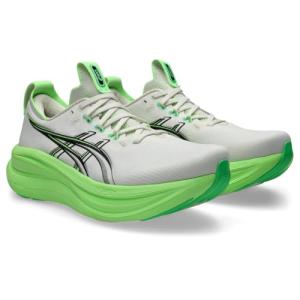
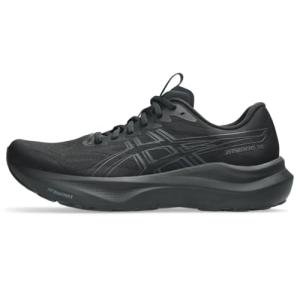
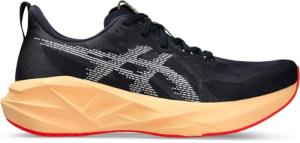
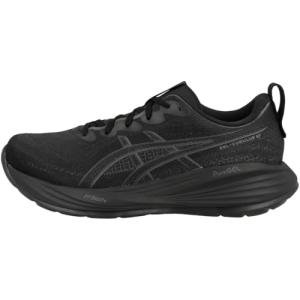
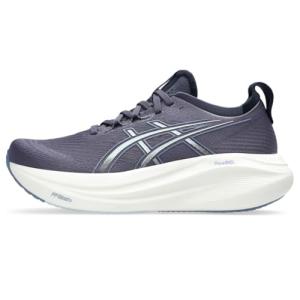
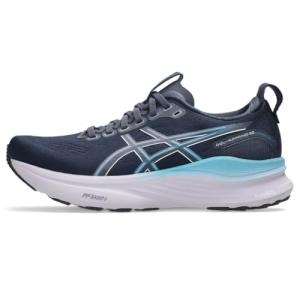
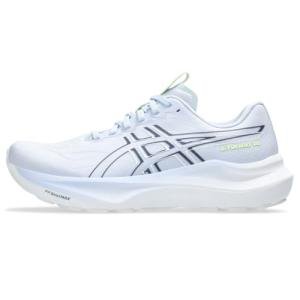
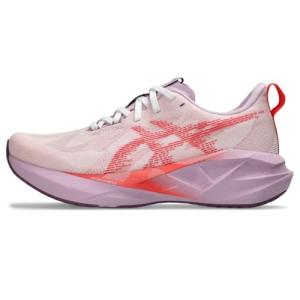
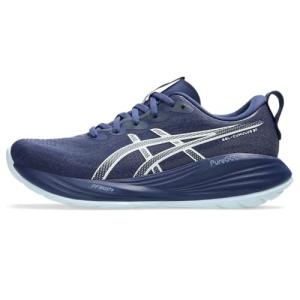
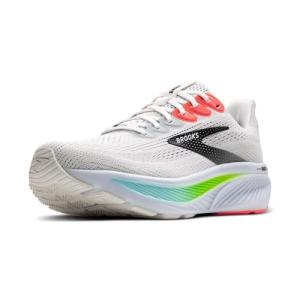
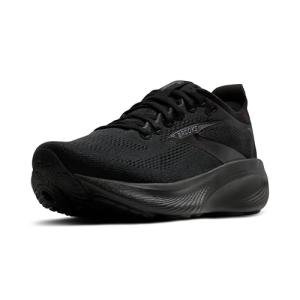
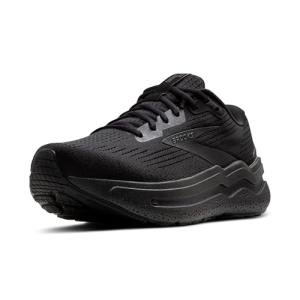
Top picks at a glance (from this category’s product grid)
These are strong “starting points” for common heel pain / heel spur patterns. Click a pick to compare prices from retailers on Stepwise Footwear.
Men’s picks
Also worth a look for men (stability-focused): Mizuno Men’s Wave Inspire 21 Running Shoes
Women’s picks
Also worth a look for women (extra cushion): Brooks Glycerin Max 2 (Women’s)
Index
What heel pain and heel spurs are
Heel pain is a symptom rather than a single diagnosis. It can relate to irritated soft tissue around the heel, tight calves, long periods standing, sudden activity changes, or foot mechanics. Heel spurs are bony growths that can appear on the heel bone; they don’t always cause pain, but when the area is irritated, impact and pressure can feel worse.
What to look for in heel pain / heel spur shoes
- Thick heel cushioning: reduces repeated impact at the most sensitive point.
- Stable heel counter: holds the rearfoot steady and reduces wobble.
- Supportive midfoot: helps alignment and can reduce stress through the heel.
- Broad base: feels steadier and less “tippy”, especially when you’re tired.
- Smoother transition: rocker-like geometry can help you roll forward more easily.
- Removable insole: useful if you wear orthotics or want to add a cushioned insert.
Common mistakes to avoid
- Hard, thin soles (especially on concrete floors).
- Worn-out midsoles (flattened cushioning can bring pain back quickly).
- Loose heels that slip (adds irritation and instability).
- Too-tight fit (forces compensation and increases pressure).
Fit checklist
- Heel feels locked-in with minimal slip.
- Cushion feels soft at heel strike without wobble.
- Arch feels supportive (not like a sharp bump).
- Toe box has space so you don’t change your gait to avoid pressure.
- Walk test: steps feel smoother and less “thudding” into the heel.
FAQs
1) Are heel spurs always the cause of heel pain?
No. Heel spurs can exist without pain. Often, irritated soft tissue around the heel is the main driver of symptoms.
2) What shoe feature matters most for heel spur comfort?
Heel cushioning is usually the biggest comfort upgrade because it reduces repeated impact on a tender heel.
3) Do I need arch support for heel pain?
Many people do better with some midfoot structure because it improves alignment and reduces stress through the heel area.
4) Are stability shoes better than neutral shoes?
If you overpronate or feel unstable, stability shoes can help. If you’re neutral, a cushioned neutral shoe may be enough.
5) Do rocker soles help heel pain?
They can help some people by smoothing the heel-to-toe transition and reducing harsh loading patterns.
6) Should I size up?
Not automatically. Aim for correct length and a secure heel. If toes feel cramped, consider wide fit rather than oversizing.
7) Can clogs work for heel pain?
Some structured clogs can work well for standing all day, as long as they provide cushioning and stability.
8) Are inserts or heel cups worth trying?
Often yes, especially if you need extra heel cushioning. Many people combine supportive shoes with a cushioned insert.
9) When should I replace shoes?
Replace when cushioning feels flat, the heel leans, tread is uneven, or symptoms return.
10) When should I get heel pain checked?
If pain is severe, lasts more than a few weeks, worsens, or includes numbness/swelling, seek professional evaluation.
heel pain, heel spurs, arch support, max cushion, stability shoes, wide fit, orthotic friendly, standing all day, walking shoes, pain relief footwear
Back to top picks