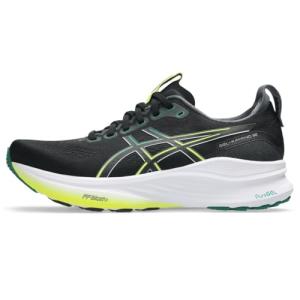
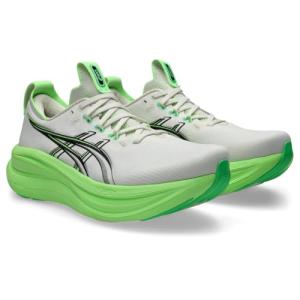
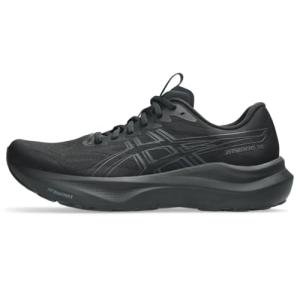
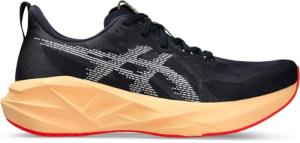
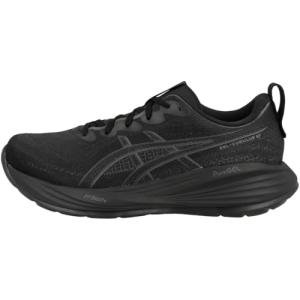
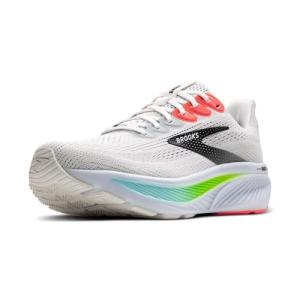
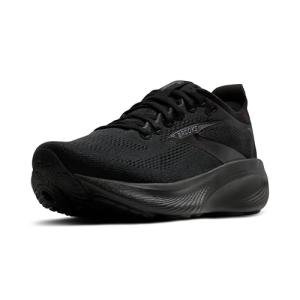
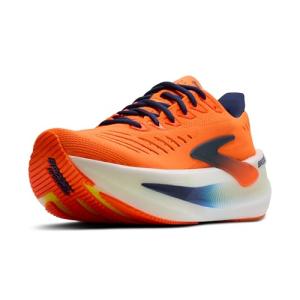
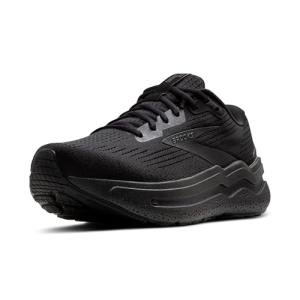
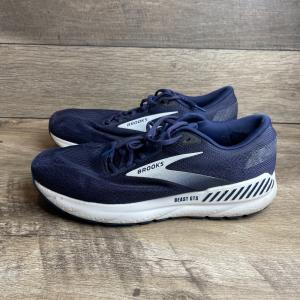
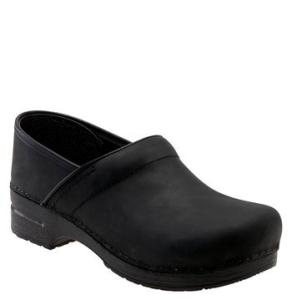
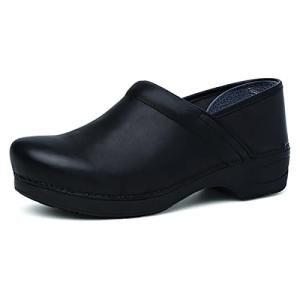
Top picks at a glance (from this category’s product grid)
These are reliable starting points for men’s comfort and pain relief. Click a pick to compare prices from retailers on Stepwise Footwear.
Everyday cushioned comfort
Stability support (overpronation / flat feet)
Max cushion / long days
Work-style alternatives
Comfort-first fit (roomy / orthotic-friendly)
Index
How to choose men’s shoes for foot pain
- Start with the problem: heel pain usually needs cushioning + stability; flat feet often needs stability support.
- Prioritise stability if you feel wobbly: overly soft shoes can increase fatigue when you’re on your feet all day.
- Protect your toe box space: a comfortable fit reduces compensation patterns that can worsen pain.
- Replace when cushioning feels “flat”: midsole wear often happens before the outsole looks worn.
Fit checklist
- Thumb-width space in front of the longest toe.
- Secure heel: minimal slip when you walk.
- Support feels comfortable (not sharp/pokey under the arch).
- Walk test: steps feel cushioned and stable, not wobbly.
- Try later in the day if you swell.
FAQs
1) What’s the best men’s shoe type for foot pain?
Most people do best with cushioning plus stability: shock absorption to reduce impact, and a stable base to reduce fatigue.
2) Are running shoes good for everyday walking?
Often yes. Many modern running shoes offer the cushioning and support that feels better for long walking and standing.
3) Should I choose stability or neutral shoes?
If you overpronate or feel your ankles roll inward, stability shoes are often a better first try. If your gait is stable, neutral cushioning may work well.
4) What if I stand all day at work?
Prioritise durable cushioning and a broad, stable platform. If slip resistance is required, choose work-rated slip-resistant outsoles first.
5) Do wide-fit shoes matter?
If you get toe pressure, numbness, or forefoot rubbing, wide fit can reduce compensation patterns that contribute to pain.
6) When should I replace shoes?
Replace when cushioning feels flat, support feels unstable, or pain returns—midsole wear often shows up before tread looks worn.
Back to top picks