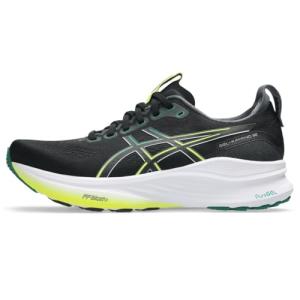
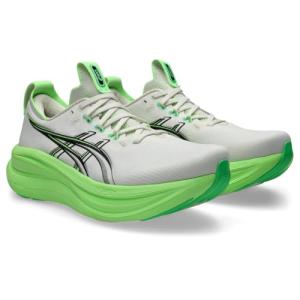
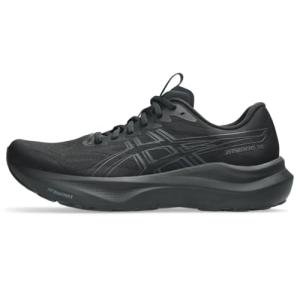
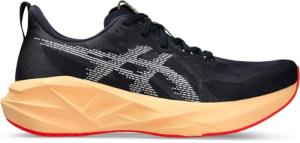
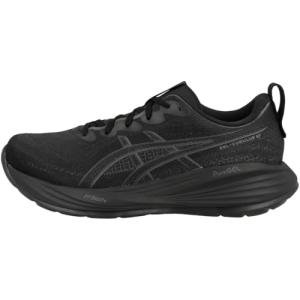
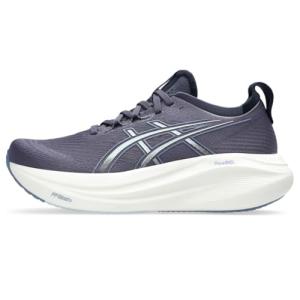
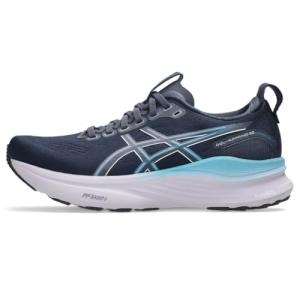
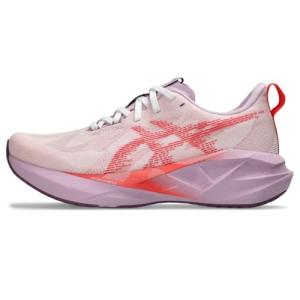
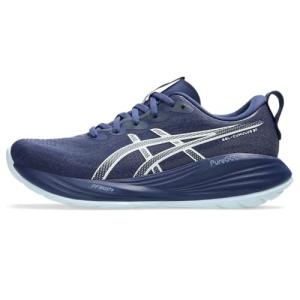
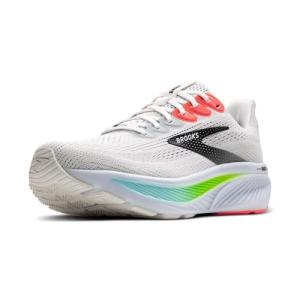
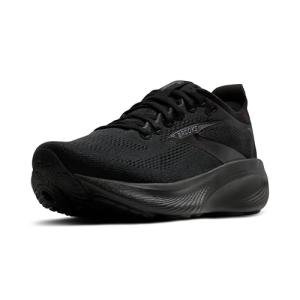
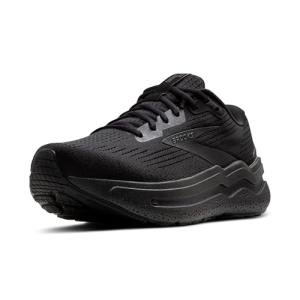
Top picks at a glance (from this category’s product grid)
These are reliable starting points for long shifts. Click a pick to compare prices from retailers on Stepwise Footwear.
Men’s picks
Women’s picks
If you want a stability-focused alternative (still from this grid)
If you need extra cushioning late-shift (still from this grid)
Index
What “standing all day” does to your feet
Standing for long hours increases repetitive loading through the heel, arch, and forefoot. On hard floors, impact is amplified and muscles fatigue faster, which can worsen foot pain and contribute to soreness in the knees, hips, and lower back. The right shoes help by reducing impact, improving alignment, and stabilising your stride.
What to look for in standing-all-day work shoes
- Cushioning that lasts: thicker midsoles can reduce “hard-floor thud” during long shifts.
- Stable heel counter: keeps the rearfoot secure and reduces wobble fatigue.
- Supportive midfoot structure: improves alignment and reduces strain through long hours.
- Broad, stable platform: feels steadier for all-day standing and short walking bursts.
- Slip resistance (when required): choose work-rated outsoles designed for wet/oily surfaces.
- Orthotic-friendly build: removable insoles make it easier to add inserts if needed.
- Toe box room: reduces pressure and swelling discomfort later in the day.
Common mistakes to avoid
- Very flat shoes with thin soles (poor shock absorption on hard floors).
- Overly soft, unstable heels (can increase fatigue and foot strain).
- Worn-out midsoles (cushioning collapses before the outsole looks “done”).
- Choosing “any trainer” when you actually need work-rated slip resistance.
Fit checklist
- Secure heel: minimal slip when you walk.
- Comfortable arch contact: supportive, not painful or pokey.
- End-of-day fit: toes still have space when feet swell.
- Walk test: steps feel cushioned and stable with a smooth roll forward.
- Work-surface test: if possible, try on similar flooring to your job environment.
FAQs
1) What is the best type of shoe for standing all day?
Most people do best with cushioning plus stability: a shock-absorbing midsole, a secure heel, and a supportive midfoot that keeps you aligned when you’re tired.
2) Are running shoes good for work shifts?
Often yes, especially on hard floors, because many offer excellent cushioning and support. Always check workplace requirements like slip resistance and dress codes.
3) Do I need slip-resistant shoes?
If you work in kitchens, healthcare, warehouses, or anywhere with wet/oily floors, slip resistance is usually a top priority. Choose a work-rated outsole first.
4) Is more cushioning always better?
Not always. Too-soft shoes can feel unstable and increase fatigue. Many people prefer cushioning plus a stable base.
5) Should I choose stability or neutral shoes?
If you overpronate or feel your ankles roll inward, stability shoes can reduce fatigue. Neutral shoes can work well if your gait is already stable.
6) What if my feet swell during shifts?
Choose a roomy toe box or wide fit, and try shoes later in the day when your feet are at their largest.
7) Are clogs good for standing all day?
Structured clogs can work well for many roles if they feel stable and provide enough cushioning for your flooring.
8) Do insoles help for long shifts?
They can. Supportive insoles or cushioned inserts may improve comfort, especially if your shoes have removable footbeds.
9) How often should I replace work shoes?
Replace when cushioning feels flat, support feels unstable, or pain returns. Midsole wear often happens before the outsole looks worn.
10) When should I get foot pain checked?
If pain is severe, persistent, worsening, or includes numbness/swelling, consider professional evaluation.
standing all day, work shoes, all day comfort, hard floors, max cushion, stability shoes, orthotic friendly, wide fit, heel pain, arch support
Back to top picks